

Choir Teacher Newsletter: Summer Work Newsletter
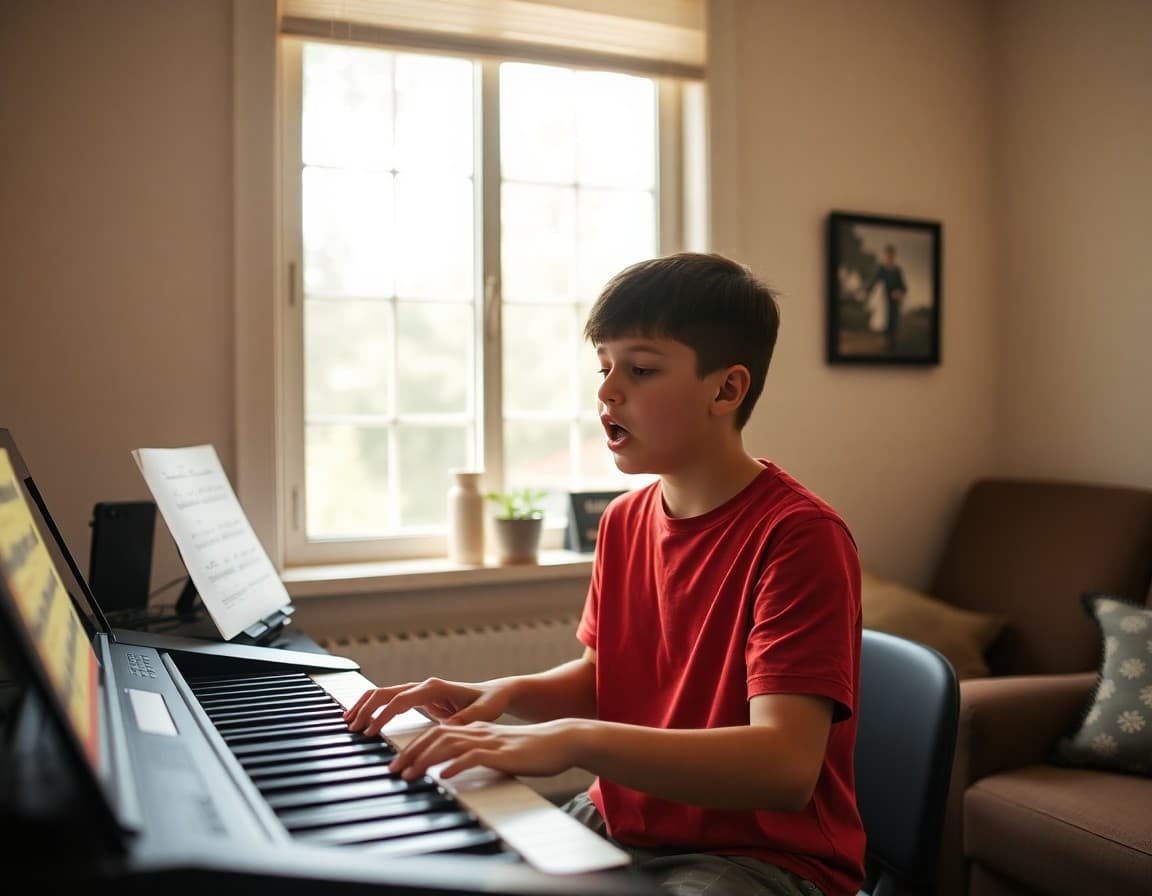
The voice is unlike any other instrument: it cannot be put in a case and left in the closet for three months without consequence. Students who do not use their voices over the summer lose breath control, vocal coordination, and range. A student who was singing with a clear, resonant tone in June may return in September with a breathy, effortful sound that takes weeks to recover. A summer work newsletter that gives students a realistic, enjoyable daily practice routine can prevent most of that regression.
This guide covers what to assign for summer choir work, how to write the newsletter that communicates it clearly, and how to make the assignment feel like something worth doing rather than something to avoid.
Frame the assignment around enjoyment, not obligation
Summer choir work succeeds when it connects to what students love about singing. The opening of the newsletter should invite students into an experience, not assign them a task. "Over the summer, I am asking you to spend some time with your voice every day, not because I will be checking in on you weekly, but because the voice you arrive with in September is directly shaped by what you do or do not do over the next three months. The singers who come back in September feeling confident and free in their voices are the ones who kept singing, even a little, every day."
Assign a specific daily warm-up routine
Give students a five-to-ten minute warm-up sequence they can do from memory without a piano or teacher present. "Start each session with one minute of humming on any comfortable pitch, moving gently up and down the scale. Then do two to three lip trills on a five-note scale (use a free keyboard app or YouTube tuning fork for a starting pitch). Finish with 'mah' or 'nay' on a comfortable one-octave scale, focusing on keeping the sound forward and bright. Total time: about five minutes. Then spend five to ten minutes on one of the activities below."

Provide listening assignments with specific recordings
Listening is the most enjoyable and one of the most effective summer activities for choral students. Give them a specific list of recordings to listen to, with direct YouTube links or search terms. "This summer, listen to: the King's Singers performing 'Sure on This Shining Night' by Samuel Barber (search this title on YouTube). The Chanticleer ensemble performing anything from their album 'Lux Aeterna.' The Westminster Choir performing 'Lux Aurumque' by Eric Whitacre. These are the kinds of ensembles and pieces that represent the choral tradition you are developing your voice to participate in. Listen once for pleasure, then listen again and pay attention to how the ensemble creates a unified sound."
Assign fall repertoire preparation if applicable
If you know the fall concert repertoire, assign students to learn the melody of one or two pieces from a recording before school starts. "If you listen to our fall concert pieces over the summer, you will arrive in September already knowing what the music sounds like. That puts you weeks ahead in rehearsal. Our fall program will include 'Ave Verum Corpus' by Mozart and 'Water Night' by Eric Whitacre. Both are on YouTube. Search the title with the composer and find a performance you enjoy. Listen until you can hum the melody comfortably. That is a legitimate piece of fall preparation."
Give students a sight-reading resource for advanced singers
For students in auditioned ensembles, sight-reading practice over the summer is a high-value investment. "The app 'Sight Reading Factory' offers daily sight-reading exercises at different difficulty levels and costs $2 per month. The free version of 'Musescore' has simplified choral scores you can download and sight-read. Even 10 minutes per week of sight-reading practice over the summer translates to significantly faster learning speed at the start of the fall season."
Tell families how to support summer vocal practice
Give families two specific things they can do without any musical knowledge. "Ask your student to sing something for you once a week, anything, even a song from the radio. Ask them how their voice sounds compared to last week. Second: make sure your student stays hydrated. The voice performs better in a well-hydrated body, and teenagers especially tend not to drink enough water over the summer. These two things cost nothing and make a genuine difference."
Include a sample summer work newsletter excerpt
Here is a brief example:
"Summer vocal work for Concert Choir students: 10 to 15 minutes of singing per day, at least five days per week. Each session: five-minute warm-up (humming, lip trills, scale on 'nay') followed by 5 to 10 minutes of listening to or learning one piece from the recommended list below. Bring a 60-second vocal performance to the first class on September 8, any song you know and enjoy. We will use it as our first voice check-in. Listening list and warm-up guide are linked at [link]. Questions? Email me at [email]. Have a great summer."
Close with fall start information and your contact
End with the first rehearsal date and what students should bring. Choir students who know the first day involves a vocal check-in are more likely to have maintained their practice than students who assume the first day is purely administrative.
Get one newsletter idea every week.
Free. For teachers. No spam.
Frequently asked questions
What summer work makes sense for a choir program?
Daily vocal warm-ups and scales maintain the physical coordination that singing requires. Listening to professional recordings of choral repertoire develops musical ear and vocabulary. Learning the melody of a fall concert piece from a recording prepares students to sight-read it in September. For advanced choral students, sight-reading practice using a sight-reading app or a simplified choral score builds independence. All of these can be done with a smartphone and 15 minutes per day.
How many minutes per day should a choir director expect students to practice over the summer?
Ten to fifteen minutes per day is realistic and sufficient to maintain vocal development over a summer break. The priority is consistency over duration: ten minutes every day is far more effective than two hours on a Sunday. State the target clearly and explain why frequency matters: 'Singing is a physical skill that depends on muscle memory. Short daily contact with the voice keeps those muscles active and coordinated. A single long session per week does not maintain the same level.'
How do you recommend vocal warm-ups for home use without a piano?
Recommend free apps that provide a starting pitch: the app 'Voice Warm-Up' by Choral Excellence is free and designed specifically for singers. Virtual Piano is a free browser-based keyboard. A simple starting pitch from YouTube (search 'concert A tuning fork') also works. Give students three or four specific warm-up exercises they can do from memory: lip trills on a five-note scale, humming on a neutral vowel, and 'mah' or 'nay' on a one-octave scale are all achievable without special equipment.
Should summer choir assignments be graded?
A first-day vocal warm-up in September is a natural verification of whether students maintained their voices over the summer. Students who have practiced consistently return with better tone, breath control, and pitch accuracy than students who have not sung for three months. If you do not want to formally grade it, use it as a diagnostic check-in that informs how you structure the first two weeks of rehearsal.
How does Daystage help choir directors send summer work newsletters?
Daystage lets you send a formatted summer newsletter with links to recommended recordings, a printable warm-up guide, and the fall start date. You can schedule the send for the last week of school so it arrives when students are transitioning into summer routines and can build singing into their daily schedule from the start rather than trying to remember to pick it up in August.

Adi Ackerman
Author
Adi Ackerman is a former classroom teacher and curriculum writer with 8 years in K-8 schools. She writes about school communication, parent engagement, and what actually works in real classrooms.
More for Subject Teachers
Music Teacher Newsletter Guide: Keeping Families Connected to the Music Program
Subject Teachers · 7 min read
Drama Teacher Newsletter Guide: Communicating About Theater Productions
Arts & Music · 6 min read
AP Teacher Newsletter Guide: Communicating Expectations, Exam Prep, and Support to Families
Subject Teachers · 6 min read
Ready to send your first newsletter?
3 newsletters free. No credit card. First one ready in under 5 minutes.
Get started free