

Career Counselor Newsletter: Communicating Career Exploration and Workforce Readiness to School Families
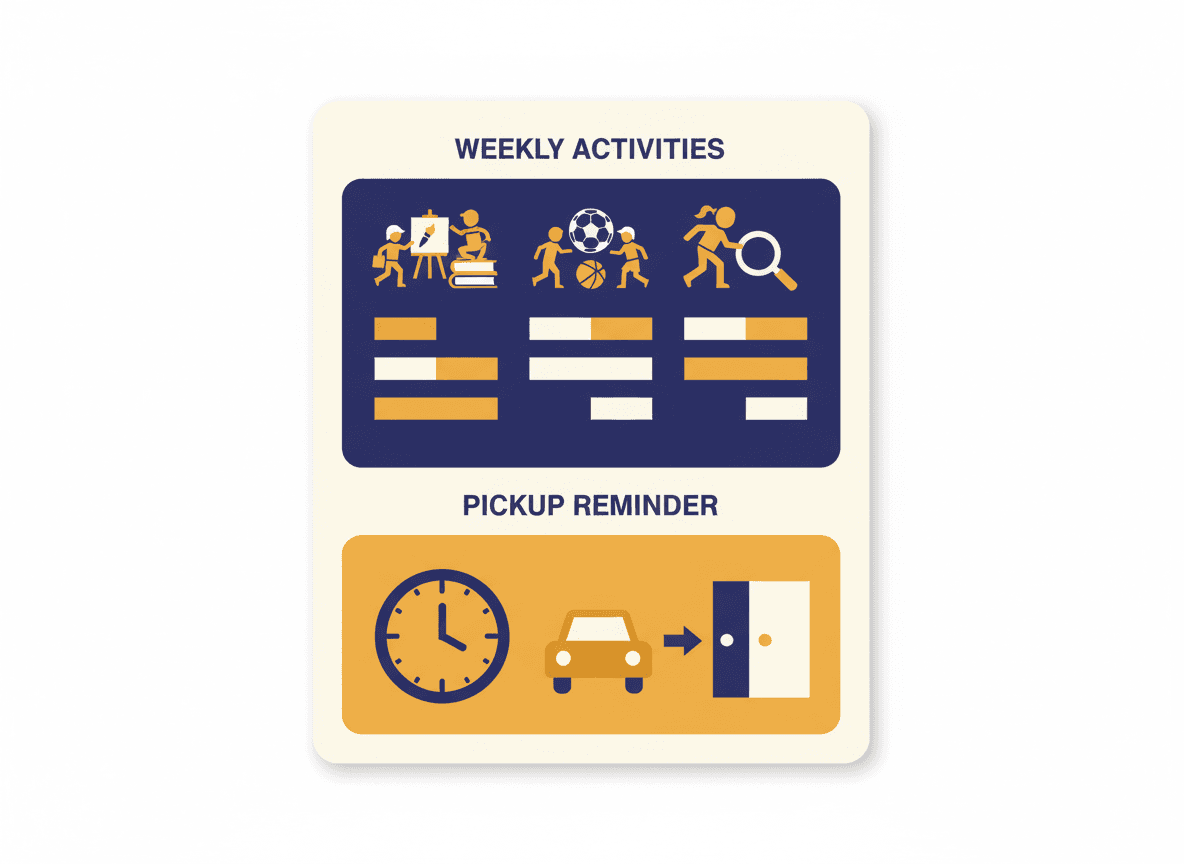
Career development conversations in high school often happen between a student and their counselor, invisible to the families who most influence that student's thinking about their future. A career counselor newsletter brings those conversations into the home, giving families the information and language to be constructive partners rather than uninformed voices. The family that understands what a CTE program offers, what a career fair involves, and what options exist beyond four-year college is far more useful to their student than the family whose only question is "are you going to college?"
This guide covers what to include in a school career counselor newsletter, how to sequence information across grade levels, and how to write about career development in a way that expands rather than narrows what families believe is possible for their students.
Building career awareness from ninth grade forward
Career counselor communication that begins in senior year is too late. By the time students are choosing college majors or CTE pathways, many of the most important orientation decisions have already been made. Newsletters that reach families in ninth and tenth grade plant the seeds for conversations that shape those decisions.
For younger students, newsletter content can cover career interest inventory tools and how to use them, what different career categories look like in daily work (not just job titles), and how extracurricular activities and course choices connect to career exploration. Families who start thinking about career development in ninth grade have three years to support their student's exploration rather than one rushed semester in senior year.
Featuring career pathways in concrete, specific terms
A career newsletter that mentions "healthcare careers" without specifying what that means is too vague to be useful. Feature one career pathway per issue in enough detail that families and students understand what it looks like in practice: what the educational path is (certificate program, two-year degree, four-year degree, apprenticeship), what the typical starting salary is, what the job actually involves day to day, and what the local or regional demand looks like. That level of specificity converts a vague interest into a real conversation.
Include CTE programs at your school or in your district that connect to the featured pathway. Families who understand how a welding program, a healthcare CNA track, or a computer science pathway leads to specific careers are more supportive of their student's enrollment in those programs.
Communicating internship and work-based learning opportunities
Internship and work-based learning programs are among the most valuable career development opportunities a high school can offer. They are also chronically underenrolled, partly because families do not know they exist. A newsletter section on upcoming internship opportunities with application deadlines, requirements, and what students typically do in the role is often the first time a family hears about an opportunity their student might genuinely want.
Include what the school's role is in supporting work-based learning: how placements are arranged, what supervision looks like, how the experience is connected to academic credit, and who to contact to pursue an opportunity. Families need to understand the logistics before they can support their student's participation.
Career fair and event communication
Career fairs and job shadow days are high-value events that many students underutilize because they do not know how to approach them. Your newsletter can prepare students and families: what to expect at a career fair, how to have a productive conversation with an industry professional, what to wear and what to bring, and how to follow up afterward. Families who read this guidance can reinforce it at home before the event.
After major events, a follow-up newsletter covering what happened and featuring student experiences builds a culture around career development that carries across grade levels.
Engaging families as career development partners
The most powerful career development influence for most students is a family member's professional network. Parents and family members know people in industries their students are curious about. A newsletter that asks families to share professional connections for informational interviews or job shadows taps that network. "If you or someone you know works in healthcare, engineering, education, or the skilled trades and would be willing to talk to a student for 20 minutes, please reach out to our career center" is a sentence that generates real opportunities when it appears in a newsletter that families actually read.
Using Daystage for career counselor newsletters
Daystage subscriber lists organized by grade level let you send targeted career development content at the right moment in each student's high school experience. Ninth-grade families get career exploration and interest inventory guidance. Twelfth-grade families get internship deadlines and job placement information. Build your template once, update the content monthly, and maintain a consistent professional presence with the families who most benefit from your guidance.
Get one newsletter idea every week.
Free. For teachers. No spam.
Frequently asked questions
What should a school career counselor newsletter include?
Cover career exploration resources available to students, upcoming workshops or career fairs, CTE and internship program opportunities with application deadlines, and one featured career pathway per issue. Families are important partners in career development conversations. Give them information and conversation starters they can use at home.
How often should a career counselor send newsletters?
Monthly during the school year is a strong baseline. Add extra issues when time-sensitive opportunities arise: internship application windows, career fair dates, scholarship deadlines for CTE programs, or new career exploration tool launches. Career counselor newsletters are most effective when they feel tied to real, current opportunities rather than general guidance.
How do I engage families in career conversations when many parents are skeptical about non-college paths?
Present multiple pathways as equally valid and provide data on each. Skilled trades, healthcare programs, entrepreneurship, and four-year college tracks all have strong outcome data. Families who receive specific, factual information about earnings, employment rates, and career satisfaction across pathways are more open to discussions their students want to have about their direction.
How do I communicate about internships and work-based learning without it reading like a job listing?
Focus on what the student learns and experiences, not just what the opportunity is. A description that says what skills a student gains, what a typical day looks like, and what employers in this field are looking for is far more useful than a job description. Families want to understand whether an opportunity matches their student, not just whether it exists.
How does Daystage support a career counselor who works across multiple grade levels?
Daystage subscriber lists by grade level let you send freshman career exploration content to ninth-grade families and senior internship and job placement content to twelfth-grade families. Each audience receives information matched to where their student is in the career development process, making your communication relevant rather than generic.

Adi Ackerman
Author
Adi Ackerman is a former classroom teacher and curriculum writer with 8 years in K-8 schools. She writes about school communication, parent engagement, and what actually works in real classrooms.
More for Subject Teachers
First Grade Teacher Newsletter Guide: Communication That Builds on Kindergarten
Subject Teachers · 6 min read
School Counseling Department Newsletter: Coordinating Team Communication Across a Multi-Counselor Program
Subject Teachers · 6 min read
School Social Worker Newsletter: How to Communicate Resources and Support to Families
Subject Teachers · 6 min read
Ready to send your first newsletter?
3 newsletters free. No credit card. First one ready in under 5 minutes.
Get started free