
Biology Teacher Newsletter: Club and Activity Newsletter Guide
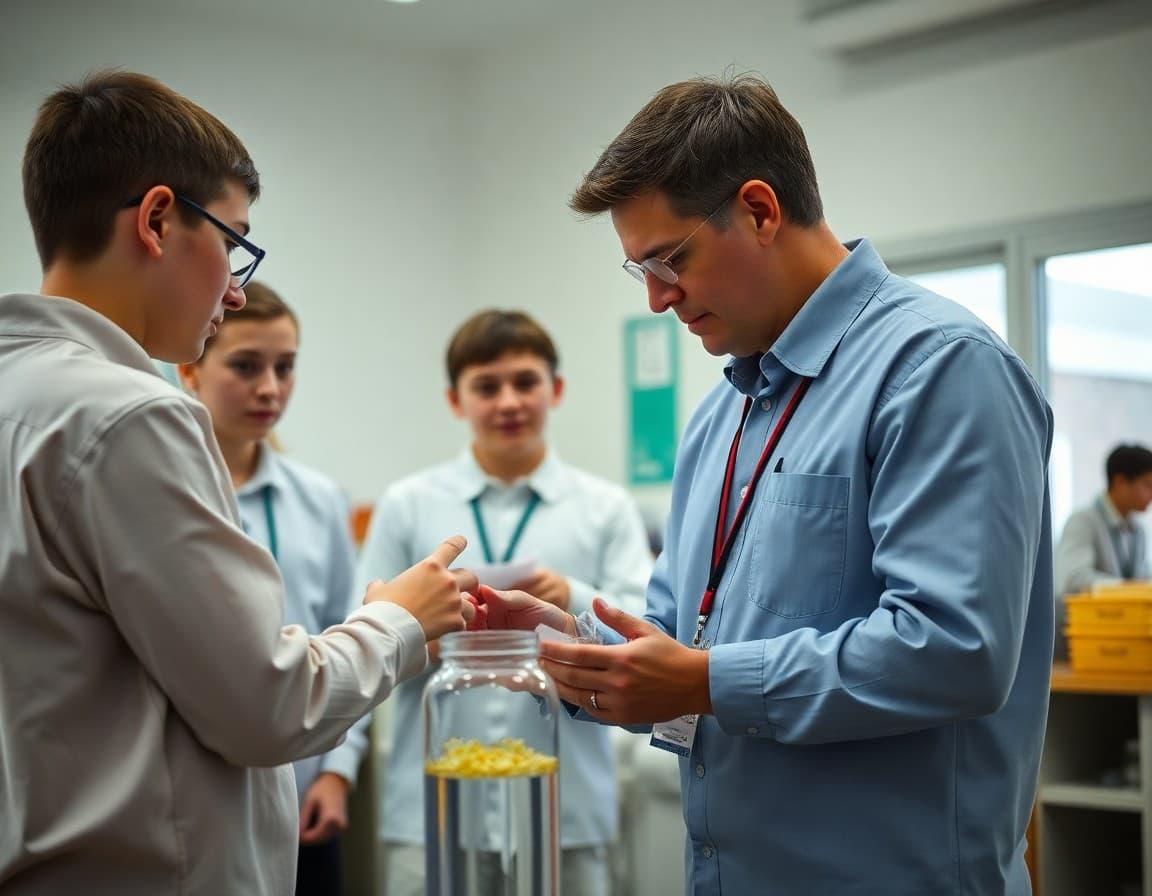
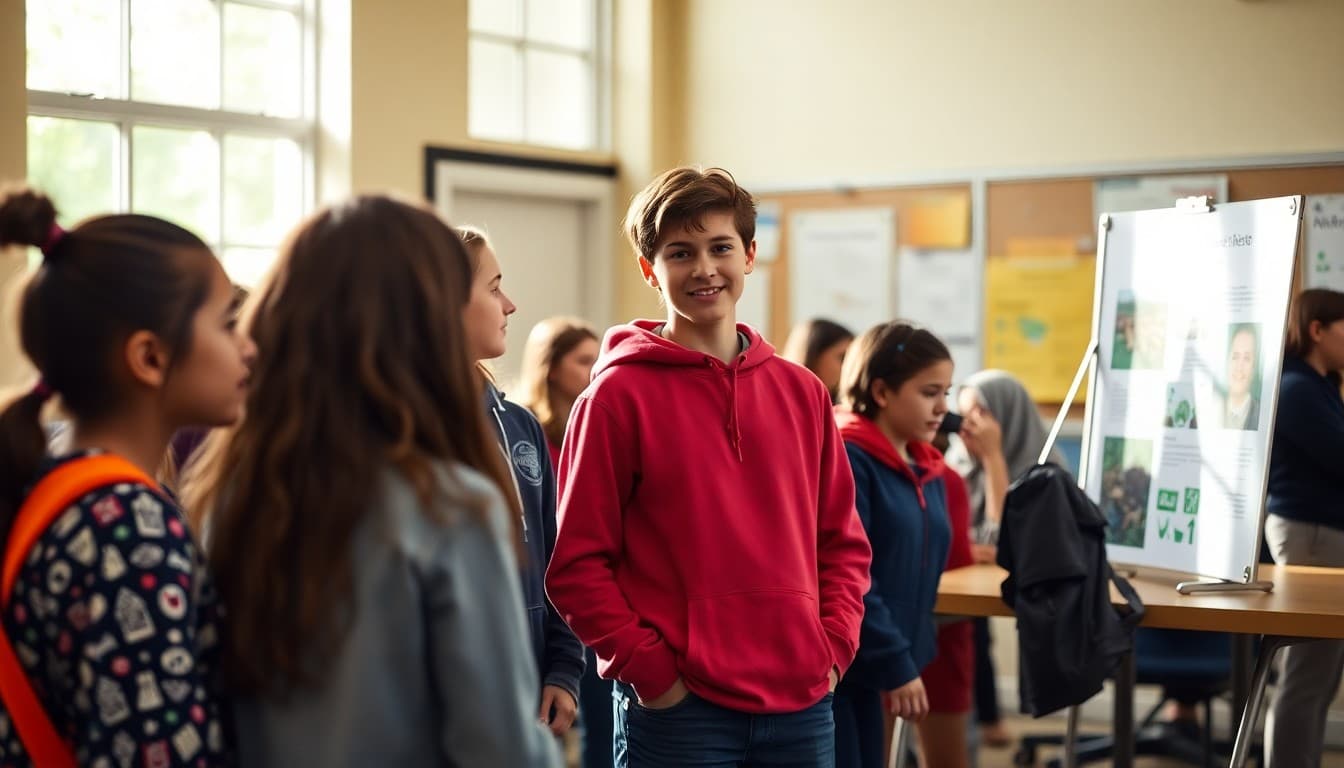
Biology extracurriculars offer students something the classroom cannot: extended time pursuing a biological question or skill they are genuinely interested in. Whether that is identifying disease outbreaks in Science Olympiad, monitoring local ecosystems in an environmental club, or designing original research for Science Fair, the experience builds scientific habits that classroom labs cannot fully replicate. Your club newsletter is how you find those students and keep their families invested in the work.
Biology Extracurriculars Worth Sponsoring
Four extracurriculars attract the most academically oriented biology students. Science Olympiad is the most competitive option: teams of 15 students compete in 23 events across biology, chemistry, physics, and earth science. Biology-specific events include Disease Detectives, Anatomy and Physiology, Experimental Design, and Ecology. Regional competitions lead to state, and state winners advance to nationals.
Environmental science clubs work best when they center on a specific local project: monitoring a watershed, tracking bird populations, or studying the effects of invasive species on a local ecosystem. The specificity makes the work scientifically credible and the results immediately useful to local environmental agencies.
Research mentorship programs pair students with local university or hospital researchers for extended project work. These programs are highly competitive for college applications and produce genuinely significant science.
Science Fair supports students who want to design and conduct an original research project. Biology is consistently one of the strongest categories in Science Fair competitions at every level.
Writing the Recruitment Newsletter
For Science Olympiad: "This year, I am recruiting students who want to compete in the most academically intense science competition in the country. Science Olympiad teams of 15 students compete in 23 events across all science disciplines. Biology teachers typically coach Disease Detectives (epidemiology problem-solving), Anatomy and Physiology (clinical case application), and Ecology (ecosystem data analysis). Last year's team placed fourth at regionals. If you want to get significantly better at the parts of science that matter for biomedical, environmental, and research careers, this is the activity."
The Parent Information Section
Biology extracurriculars often have substantial time commitments and occasional costs. Be direct: "Science Olympiad meets twice per week (Tuesdays and Thursdays, 3-5pm) from October through April. We compete at one invitational, one regional, and (if we qualify) one state tournament. Competition days are Saturdays and typically run 7am-5pm. Transportation is school-provided. Registration fees are covered by the school. Students should expect to spend an additional two to three hours per week on individual event preparation."
Sample Recruitment Newsletter Opening
Here is a template for an environmental science club:
"The [School] Environmental Science Club is looking for students who want to do real science with real results. This year's project: monitoring the water quality of [local creek] from September through May using dissolved oxygen, pH, nitrate, and macroinvertebrate indicators. The data we collect goes to the county environmental agency and has been used to support watershed protection decisions in the past. You do not need to have taken environmental science to join, but you need to be willing to get your feet wet. Literally. Field work sessions are on Saturday mornings, once a month. Here is everything you need to know."
Monthly Club Update Newsletters
During active club seasons, a monthly newsletter to members' families covers: what the club did last month, what is coming up, and any recognition worth sharing. For Science Olympiad: include which events are being practiced, what the current score targets are, and when the next competition is. For environmental clubs: include what data was collected, what it showed, and what the next field session involves. Brief and specific keeps families connected and helps students feel that their work is visible.
Get one newsletter idea every week.
Free. For teachers. No spam.
Frequently asked questions
What extracurricular activities do biology teachers typically sponsor?
Common options include Science Olympiad (which has several biology-focused events like anatomy, disease detectives, and experimental design), environmental science clubs, research mentorship programs, ecology field study groups, the Science Fair, and biomedical research clubs. Some biology teachers also sponsor community service activities like local habitat restoration or water quality monitoring that combine science skills with environmental action.
How do I write a recruitment newsletter for Science Olympiad?
Lead with what students will actually do in the events most relevant to your biology knowledge. For Disease Detectives: 'Students solve simulated disease outbreaks using epidemiological data, the same process public health officials used during COVID-19.' For Anatomy and Physiology: 'Students identify anatomical structures from diagrams and specimens, then answer clinical case questions.' Specific descriptions of the intellectual challenge attract more serious students than general descriptions of competition format.
What does a biology club parent need to know?
Time commitment, competition schedule, costs, and what their student will gain. Biology extracurriculars often involve weekend competitions, field trips, or additional lab time that families need to plan around. Clear logistical communication keeps families invested in their student's participation through the most demanding periods.
How do I communicate about an environmental science club without seeming politically one-sided?
Focus on the science rather than the advocacy. 'Our environmental science club monitors water quality in [local watershed] using the same protocols used by the state environmental agency. Students collect and analyze data, submit annual reports to the district, and present findings at the regional science conference.' Science-focused framing attracts students across the political spectrum and positions the club as rigorous rather than ideological.
What tool helps biology teachers manage club newsletters alongside class newsletters?
Daystage lets you keep separate family lists for your class and your club, design consistent branded newsletters for each, and send without mixing audiences. Biology club newsletters often include photos of lab activities or field work, and Daystage makes it easy to include images in a professional layout that showcases what students are actually doing.

Adi Ackerman
Author
Adi Ackerman is a former classroom teacher and curriculum writer with 8 years in K-8 schools. She writes about school communication, parent engagement, and what actually works in real classrooms.
More for Subject Teachers
Ready to send your first newsletter?
3 newsletters free. No credit card. First one ready in under 5 minutes.
Get started free