

Student Safety Patrol Newsletter: Community Safety Leaders
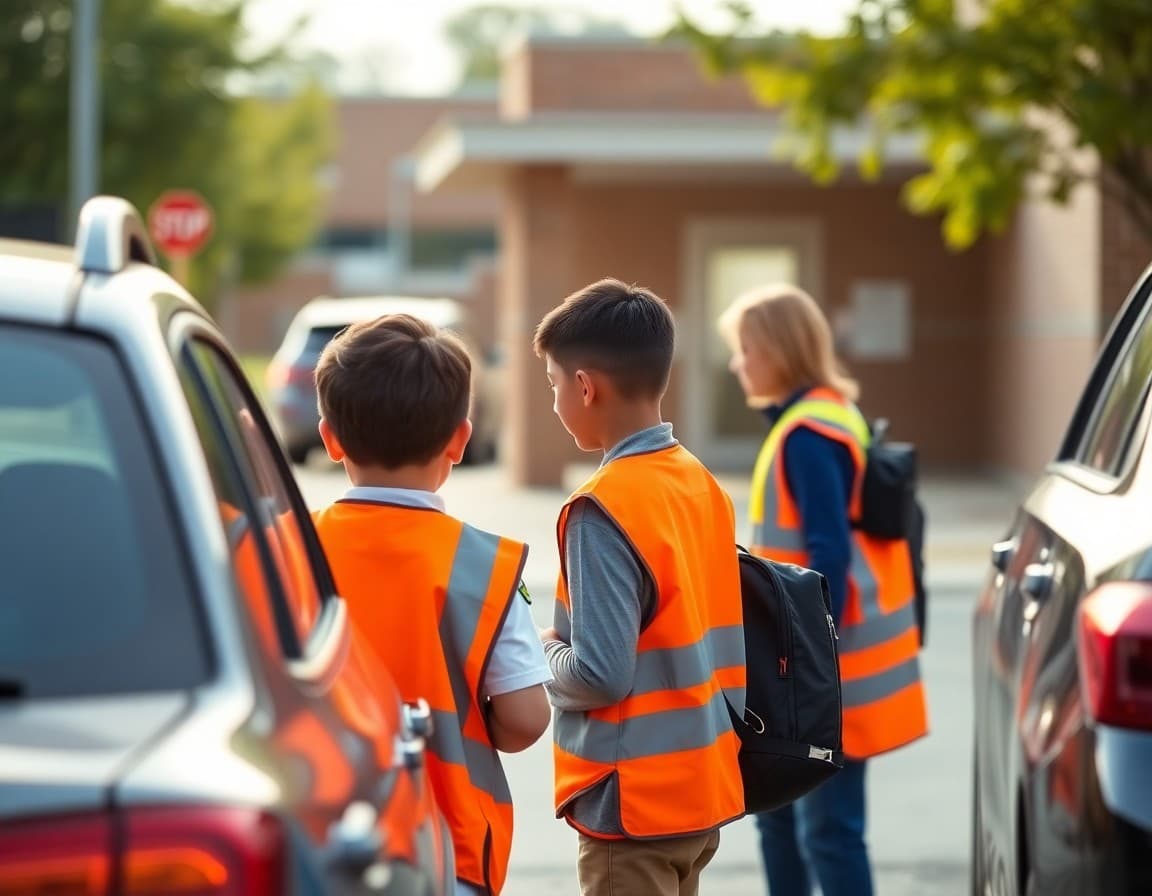
A safety patrol newsletter does two things that a safety patrol program without a newsletter cannot: it builds visibility for the students doing genuinely important work, and it communicates safety procedures and expectations to the entire school community rather than only those who interact with patrol members directly.
The Safety Patrol as Student Leadership
Safety patrol is often undervalued as a student leadership experience because its work is logistical and physical rather than vocal or visible in the way that student government or performing arts programs are. This is a mistake. The leadership skills safety patrol develops, including responsibility for others' well-being, consistency under repetitive conditions, the ability to communicate calmly and clearly under time pressure, and the judgment to know when to handle a situation independently and when to involve an adult, are among the most transferable leadership competencies a student can develop before high school.
A newsletter that frames safety patrol membership as leadership, not just service, changes how members see their role and how the school community values their contribution.
Recruiting and Selecting Strong Patrol Members
Safety patrol recruitment should target students who consistently model the safe, responsible behavior the program represents, not necessarily the most academically accomplished students in the grade. A student who has never had a safety or behavioral concern, who is reliably present, and who has demonstrated care for younger students in classroom or playground settings is a strong patrol candidate regardless of their GPA. The application process should include a teacher recommendation that speaks to these specific qualities rather than general academic achievement.
Diversity within the patrol is worth prioritizing. A patrol team that represents the demographic diversity of the school is more accessible to all students and more credible to all families than one that inadvertently represents only one segment of the school community.
Training Protocols That Actually Prepare Members
Safety patrol training should be practical rather than theoretical. Members benefit from: physically practicing the crosswalk procedure with the patrol advisor watching, rehearsing what to say to a younger student who refuses to wait for the signal ("we wait together so everyone gets across safely"), running through what to do when a parent or adult driver ignores the crossing signal (note the situation and report to the advisor; do not confront the driver), and discussing the specific scenarios most likely to come up at each post based on the prior year's experience.
A written protocol card that members can reference at their post, laminated and kept in the patrol kit, reduces uncertainty in novel situations and gives members a tangible tool that communicates professionalism to the families and community members they interact with.
A Template for the Safety Patrol Monthly Newsletter
This section can be sent to the school community at the beginning of each month:
"Safety Patrol Update: [Month]. Our [number] safety patrol members assisted [estimated number] students safely this month at our crosswalks and school entrances. Member spotlight: [student name] has served at the [specific location] post since [date] and has been recognized by [community member or school staff] for [specific action]. Reminders for the school community: [specific safety reminder relevant to the season or a recent issue, e.g., 'please slow to 15 mph in the school zone, even during afternoon pickup']. Our next patrol training is on [date]. Parents interested in supporting the patrol program should contact [advisor name] at [contact]."
Connecting Safety Patrol to the Broader School Community
A safety patrol program that exists only as an internal school function misses the opportunity to connect with the broader community that students serve. Parents who drop off children at crossings, neighbors who live near school entrances, and local businesses on the school route all interact with the school's safety infrastructure. A newsletter that reaches these audiences, either through email or in partnership with local community groups, extends the program's visibility and sometimes produces unexpected community support: a local business that donated rain gear to patrol members, a parent who volunteers to cover a patrol position when a member is absent, or a neighbor who contacts the school about a hazard the patrol has been working around.
Recognizing Patrol Members' Service
Safety patrol members commit to showing up in all weather conditions, before school hours, and during the busy chaos of school dismissal, consistently, for a full school year. This level of commitment deserves more recognition than most schools provide. The newsletter is one tool: featuring members, sharing their service hours, and acknowledging specific acts of service builds pride within the patrol and communicates to the school community that this service is valued. An end-of-year recognition event, a pin or certificate ceremony, or a letter of recommendation from the advisor that specifically documents the student's patrol service contributions are additional recognition tools that honor the genuine leadership these students are providing.
Get one newsletter idea every week.
Free. For teachers. No spam.
Frequently asked questions
What are the standard responsibilities of student safety patrol members?
Student safety patrol members typically manage pedestrian safety at crosswalks and school entrances during arrival and dismissal, assist younger students with navigating the school campus safely, monitor hallways and common areas for safety concerns during assigned periods, and provide a visible, trusted presence that younger students can approach with safety concerns. Safety patrol members do not have disciplinary authority over peers and should not be positioned to manage conflicts between students, which requires adult supervision and intervention.
At what grade level do students typically join safety patrol?
Most elementary safety patrol programs recruit students in grades 5-6, who are old enough to understand and model safe behavior but still in the school community long enough to serve a full year. Middle school programs sometimes recruit students in grades 7-8 for a junior leadership role that prepares them for high school responsibilities. The key eligibility criteria should include: consistent demonstration of school rules and safety behaviors, reliable attendance, and the ability to manage the responsibility without it interfering with academic performance.
How should safety patrol members be trained?
Safety patrol training should cover: the specific safety procedures for each assigned post (crosswalk signals, hallway monitoring positions, arrival and dismissal procedures), how to communicate clearly and calmly with younger students, what constitutes a safety emergency and who to contact immediately, what situations are beyond the patrol member's role and require adult intervention, and the boundaries of patrol authority (patrol members report safety issues to adults; they do not enforce rules independently). Training should include a supervised practice period at each post before a member operates independently.
How does the safety patrol program coordinate with local law enforcement or crossing guards?
Many safety patrol programs operate alongside adult crossing guards or police crossing patrols rather than replacing them. In this model, safety patrol members support adult supervision at crossing points by managing the flow of students on the school side while adult authorities manage vehicle traffic. Coordination meetings between the patrol advisor and local law enforcement or municipal crossing guard supervisors at the beginning of the year establish clear role boundaries and communication protocols. Students who know the boundaries of their role operate more confidently and safely than those who are uncertain about when to involve adults.
How can a safety patrol newsletter build community pride and program visibility?
A monthly safety patrol newsletter that shares patrol statistics (number of crossings assisted, safety incidents handled), features a member spotlight, announces upcoming training or events, and recognizes community members who model safe behavior builds the program's visibility and reinforces the message that student leadership in safety is a community value. Daystage lets patrol advisors or student editors send professional newsletters to families, staff, and the broader school community, which elevates the program's status and recognizes the genuine service patrol members provide.

Adi Ackerman
Author
Adi Ackerman is a former classroom teacher and curriculum writer with 8 years in K-8 schools. She writes about school communication, parent engagement, and what actually works in real classrooms.
More for Student-Led
Ready to send your first newsletter?
3 newsletters free. No credit card. First one ready in under 5 minutes.
Get started free