
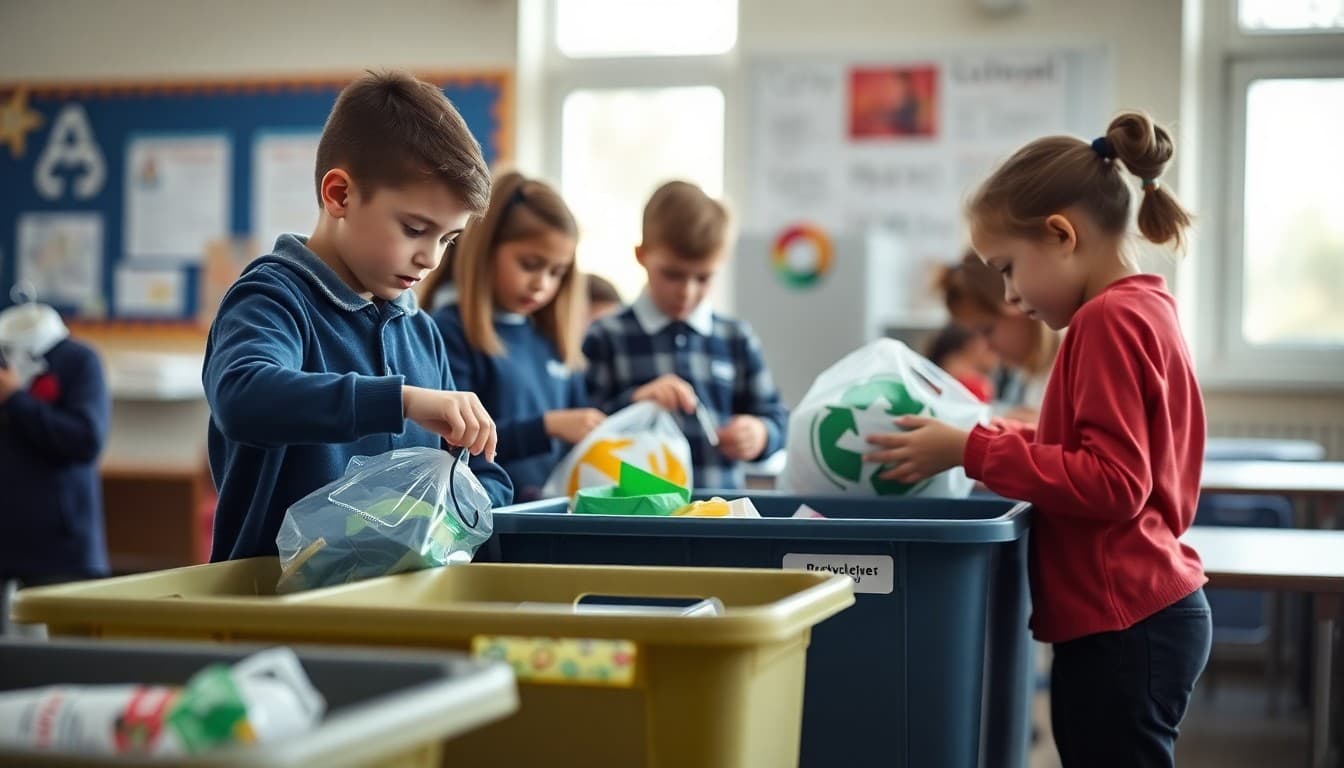
Student Recycling Program Newsletter: Going Green at School
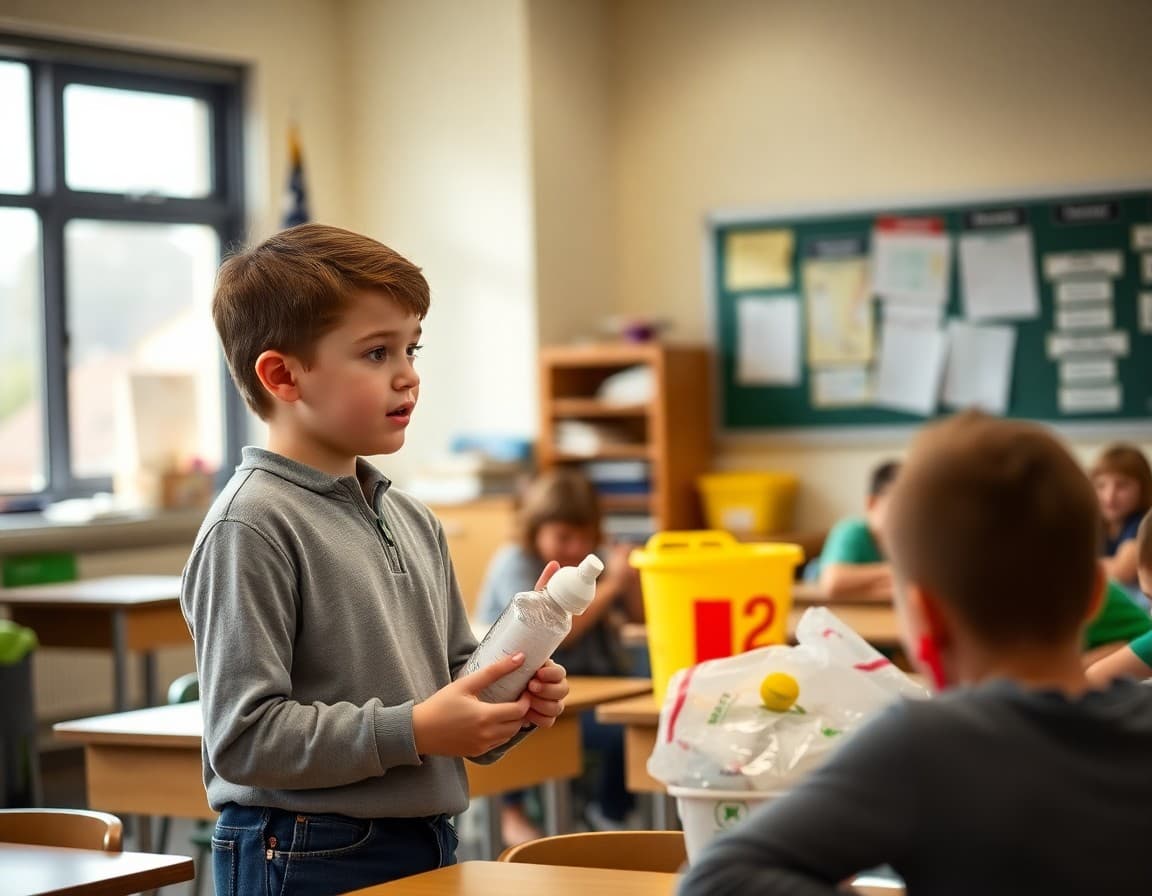
A school recycling program does measurable environmental work. But if no one outside the program knows what is being collected, how it is being sorted, or why it matters, the program operates in a bubble. A well-designed recycling newsletter closes that gap. It reports real data, corrects persistent sorting mistakes, and builds the kind of shared understanding that turns a few committed students into a school-wide culture shift.
Lead With the Numbers Every Month
Open each issue with your diversion data. How much material did your school keep out of the landfill this month? Even estimates are worth reporting. "In October, our campus diverted approximately 420 pounds of aluminum, plastic bottles, and cardboard from the general waste stream. That is the equivalent of keeping roughly 18 garbage bags of recyclables out of the county landfill." Those two sentences give readers a concrete sense of scale and make the work feel real.
Teach One Recycling Rule Per Issue
Contamination is the biggest enemy of effective recycling. Most contamination comes from a small number of common mistakes. Address one per issue with a clear, practical explanation. Here is a format that works:
This Month's Recycling Rule: Rinse Your Containers
A plastic bottle with soda still in it is not recyclable. When liquid-contaminated containers mix with dry recyclables, processors reject the entire load. Everything goes to landfill. At our school, we see roughly 60 wet containers per week in the main recycling bins. A quick rinse at the cafeteria sink before disposing takes four seconds. It keeps the bin clean and the whole load recyclable. Starting November 1st, we are adding a rinsing station near the bin bank in the cafeteria.
That 100-word explanation teaches a specific behavior change with a specific consequence and a specific solution.
Report on Which Areas Are Performing Well and Which Are Not
A classroom-by-classroom or zone-by-zone breakdown of recycling performance creates friendly competition and motivates improvement. "The science wing had the lowest contamination rate this month at 8 percent. The cafeteria and gym hallway continue to run above 25 percent contamination, primarily from food-soiled items." Publishing that data gives high performers recognition and signals to lower performers that there is room to improve without assigning blame to any individual.
Recognize Student Contributions
Name the students who are doing the heavy lifting. Weigh sorters, bin monitors, and classroom recycling captains do unglamorous work that often goes unnoticed. A monthly recognition section with specific acknowledgments keeps volunteers motivated and signals to other students that the work is valued. "This month's recognition goes to the four students who spent their lunch period sorting the art room bins and removing six pounds of contaminated materials that would have spoiled the rest of the load."
Feature a Material Science Fact
A short educational sidebar connecting recycling to real science builds credibility and gives curious readers something to share. "An aluminum can recycled today can be back on a store shelf as a new can in 60 days. Producing that new can from recycled aluminum uses 95 percent less energy than producing it from raw ore." That kind of specific fact is memorable and gives students a reason to care beyond general environmental concern.
Announce New Initiatives and Changes
If your program is adding a new material stream, changing bin locations, or launching a classroom competition, the newsletter is where families and staff find out. Be specific about what is changing, when the change takes effect, and what readers need to do differently. "Starting January 8th, we are adding a dedicated cardboard bin in the main office and three classroom hallways. Flatten all cardboard before placing it in these bins. Unflattened boxes take four times more space and reduce the amount we can collect per pickup."
Connect to the Broader Community Impact
Show readers where the materials go after they leave campus. Name the recycling facility, describe what happens to the aluminum or plastic, and if possible, report on the downstream environmental benefit. Readers who understand the full chain of custody for a recycled bottle are more invested in doing it correctly than readers who simply know they should recycle. Even a brief two-sentence description of where your paper recycling goes turns an abstract habit into a concrete, traceable act.
Get one newsletter idea every week.
Free. For teachers. No spam.
Frequently asked questions
What data should a recycling program track and report in the newsletter?
Track weight or volume of materials diverted from landfill each month, contamination rate in recycling bins, number of classrooms participating, and any cost savings compared to standard waste disposal if your school tracks that. Even rough estimates are useful. 'We diverted approximately 340 pounds of cardboard, plastic bottles, and aluminum last month' is a real number that makes the program feel tangible and worth supporting.
How do we educate students about proper recycling without sounding preachy?
Focus on the practical and specific rather than the moral. 'A greasy pizza box contaminates an entire recycling bin, sending everything in it to landfill' is more persuasive than 'we should all do our part for the environment.' Show the consequence of the specific behavior you want to change, then explain what to do instead. One contamination myth debunked per issue works better than a general environmental plea.
How do we handle the frustration of seeing bins misused despite our efforts?
Acknowledge it honestly in the newsletter. 'We found approximately 30 percent contamination in the cafeteria bins this month, mostly from food-soiled containers' is honest reporting. Follow it with a specific, simple reminder. Readers respect programs that name their problems and work on them rather than pretending everything is going well.
Can we expand the newsletter beyond recycling to broader sustainability topics?
Yes, but keep the ratio roughly 70 percent recycling program news and 30 percent broader sustainability content. Too broad and you lose your specific audience. One broader topic per issue, like composting, energy use, or a local environmental initiative, adds value without diluting the newsletter's identity as a recycling program resource.
How can Daystage help a student recycling program communicate with the whole school?
Daystage lets student teams build a clean, well-designed newsletter and send it to the entire school community on a monthly schedule. The open-rate tracking shows you which classrooms are engaging with your content, which helps you prioritize outreach to the parts of campus where recycling contamination is highest.

Adi Ackerman
Author
Adi Ackerman is a former classroom teacher and curriculum writer with 8 years in K-8 schools. She writes about school communication, parent engagement, and what actually works in real classrooms.
More for Student-Led
Ready to send your first newsletter?
3 newsletters free. No credit card. First one ready in under 5 minutes.
Get started free