
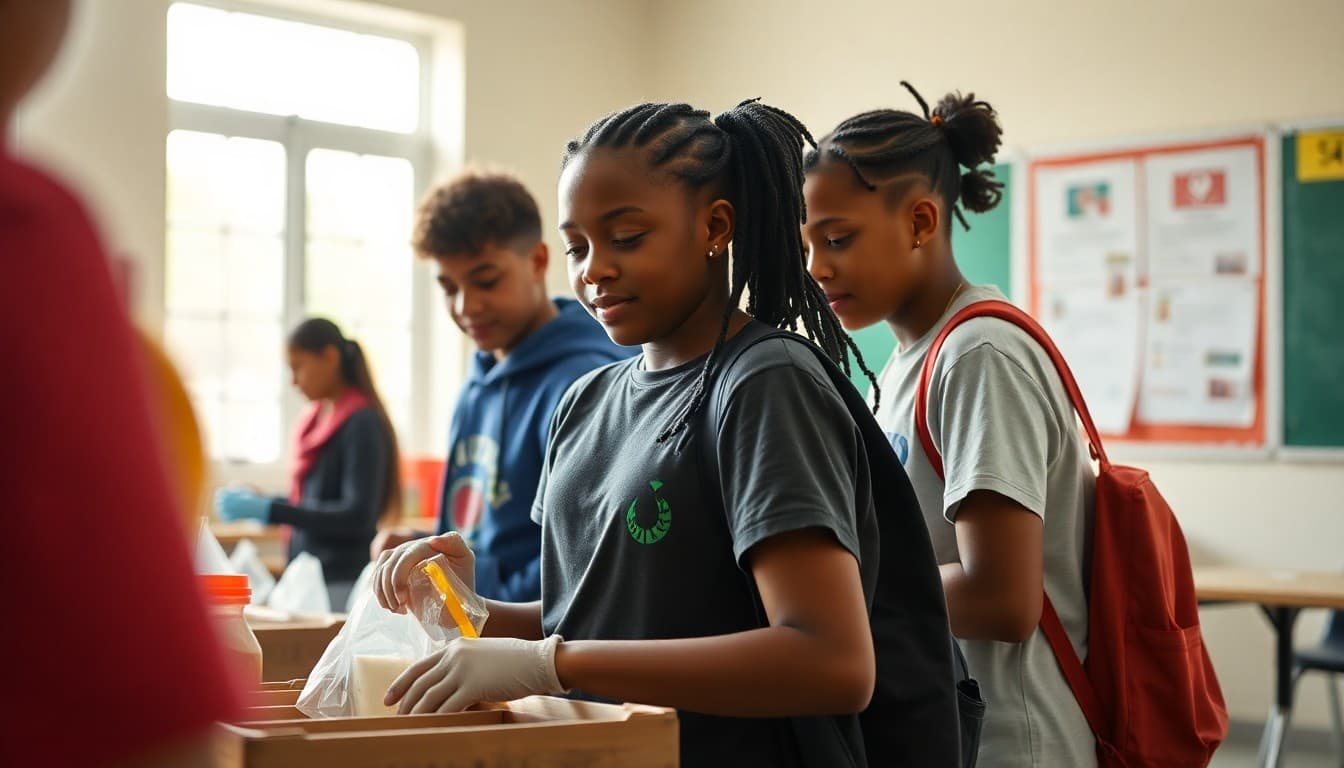
Student Service Club Newsletter: Giving Back to the Community
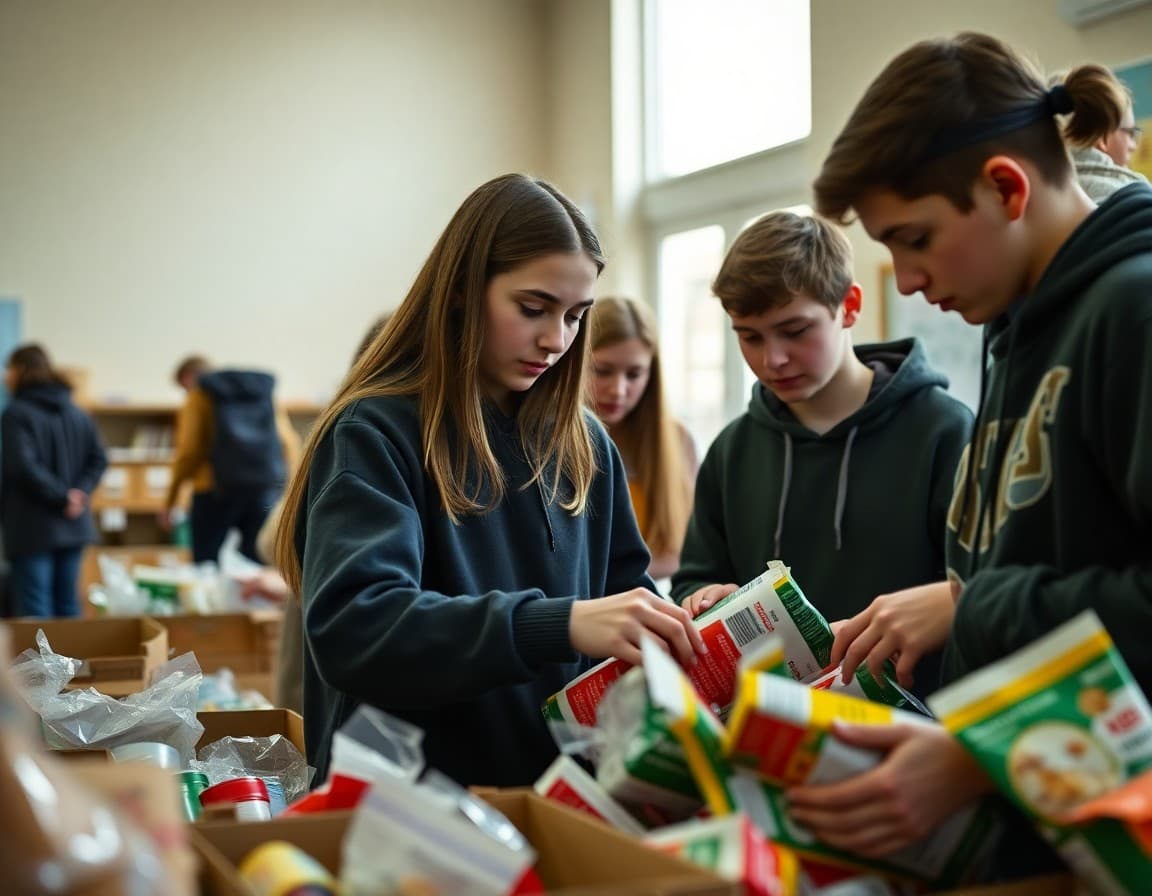
Your service club spent three Saturdays rebuilding a community garden. You raised $1,400 for a local shelter. Fifteen members logged over 200 combined volunteer hours last semester. None of that matters to the broader school community if no one hears about it. A well-written student service club newsletter closes that gap between the work you do and the recognition it deserves.
Start With What Actually Happened
The strongest newsletters open with a concrete project, not a mission statement. Instead of "Our club is dedicated to serving the community," write "On October 4th, 12 club members sorted 847 pounds of nonperishable food at the Eastside Food Pantry." That sentence tells a story in 15 words. Readers know who was there, what they did, and how much it mattered. Save the mission language for the bottom of the page.
Build the Core Sections
A service club newsletter works best with a predictable structure. Readers know what to look for, and writers know what to fill. Consider this layout: project spotlight at the top, then upcoming volunteer dates, then member hour milestones, then a community partner feature, and a brief note from the club president at the close. Each section has one job. Keep them short and direct.
Use a Template That Gets the Job Done
Here is a project spotlight template your team can reuse each issue:
Project: [Name of initiative]
Date: [When it happened]
Members involved: [Number] students
What we did: [2-3 sentences describing the work]
Impact: [Specific number: meals packed, items donated, hours served]
Quote from a member or community partner: "[Direct quote]"
Fill this in for your biggest project each month and you have the anchor of your newsletter. Everything else supports it.
Recognize Members Without Sounding Like an Awards Ceremony
Public recognition keeps members engaged and gives prospective recruits a reason to join. But a wall of names reads flat. Instead, pair each milestone with one detail: "Sofia R. hit 50 hours this semester, most of them at the animal shelter on Thursdays." That one sentence tells a story and makes the recognition feel real. Aim to name three to five members per issue, rotating so everyone gets a mention over the course of the year.
Promote Upcoming Opportunities With Specifics
Vague calls to action fail. "Join us for volunteering soon!" tells readers nothing. Compare that to: "November 9th, 8:00-11:00 a.m., Washington Community Center food drive. Sign up with Ms. Alvarez by November 5th. We need 10 people and all skill levels are welcome." That version answers every question a student or parent has before they even ask it. Include the date, location, time, signup deadline, and number of spots available for every event you list.
Feature a Community Partner
Most families have no idea which organizations your club works with or what those organizations do. A short partner spotlight, 100 words or fewer, changes that. Name the organization, describe what they provide to the community, and explain how your club fits into their work. "Riverside Meals on Wheels delivers hot meals to 340 homebound seniors in our county each week. Our club drives on the third Saturday of every month." That paragraph gives readers context they will remember and share.
Make It Easy to Share and Subscribe
Your newsletter reaches more people when current readers can forward it easily. Include a one-line note at the bottom: "Know someone who wants to stay updated? Forward this or share our signup link." If your school allows it, post the newsletter publicly and link to it from social media or the school website. The more people see what your club does, the easier recruiting and fundraising become.
Keep Your Editorial Calendar Realistic
A student team writing and publishing a monthly newsletter needs a calendar that accounts for exam weeks, breaks, and major project pushes. Map out your 10 publication dates at the start of the year. Assign a point person for each issue. Set a draft deadline one week before the send date. When someone goes out sick or gets overwhelmed with coursework, the calendar gives the team a way to redistribute without dropping the issue entirely.
Get one newsletter idea every week.
Free. For teachers. No spam.
Frequently asked questions
How often should a student service club publish a newsletter?
Monthly works well for most clubs. It gives you enough time to complete projects worth reporting on and keeps families and the school community informed without overwhelming your editorial team. Some clubs send a brief mid-month update during especially active volunteer seasons, like November before Thanksgiving drives or December holiday toy collections.
What sections belong in a service club newsletter?
Start with a project spotlight that details one completed initiative in depth. Follow with upcoming volunteer opportunities, hours tracking updates for members, and a recognition section naming students who hit service hour milestones. A short community partner spotlight helps readers understand who you work with and why those organizations matter locally.
How do student writers keep the newsletter from sounding like a press release?
Quote real club members and the community members you served. A single sentence from a shelter director or a food bank coordinator adds more weight than three paragraphs of summary. Include specific numbers: how many pounds of food collected, how many hours logged, how many families served. Specificity builds credibility and makes the work feel real.
How do we recruit more club members through the newsletter?
Dedicate one section to what new members actually do in their first few weeks. Many students avoid joining because they worry about commitment or not knowing anyone. Describe a typical first project, explain the hour requirements honestly, and name a contact person for questions. Pair that with a photo of current members at work and the section sells itself.
Can a platform like Daystage help manage a student service club newsletter?
Yes. Daystage lets student editors build newsletters with a drag-and-drop editor, schedule sends in advance, and track who opened each issue. That data tells you which project updates generate the most interest, so you can shape future content around what your readers actually want to see.

Adi Ackerman
Author
Adi Ackerman is a former classroom teacher and curriculum writer with 8 years in K-8 schools. She writes about school communication, parent engagement, and what actually works in real classrooms.
More for Student-Led
Ready to send your first newsletter?
3 newsletters free. No credit card. First one ready in under 5 minutes.
Get started free