

Student Garden Club Newsletter: Growing Our School Garden Together
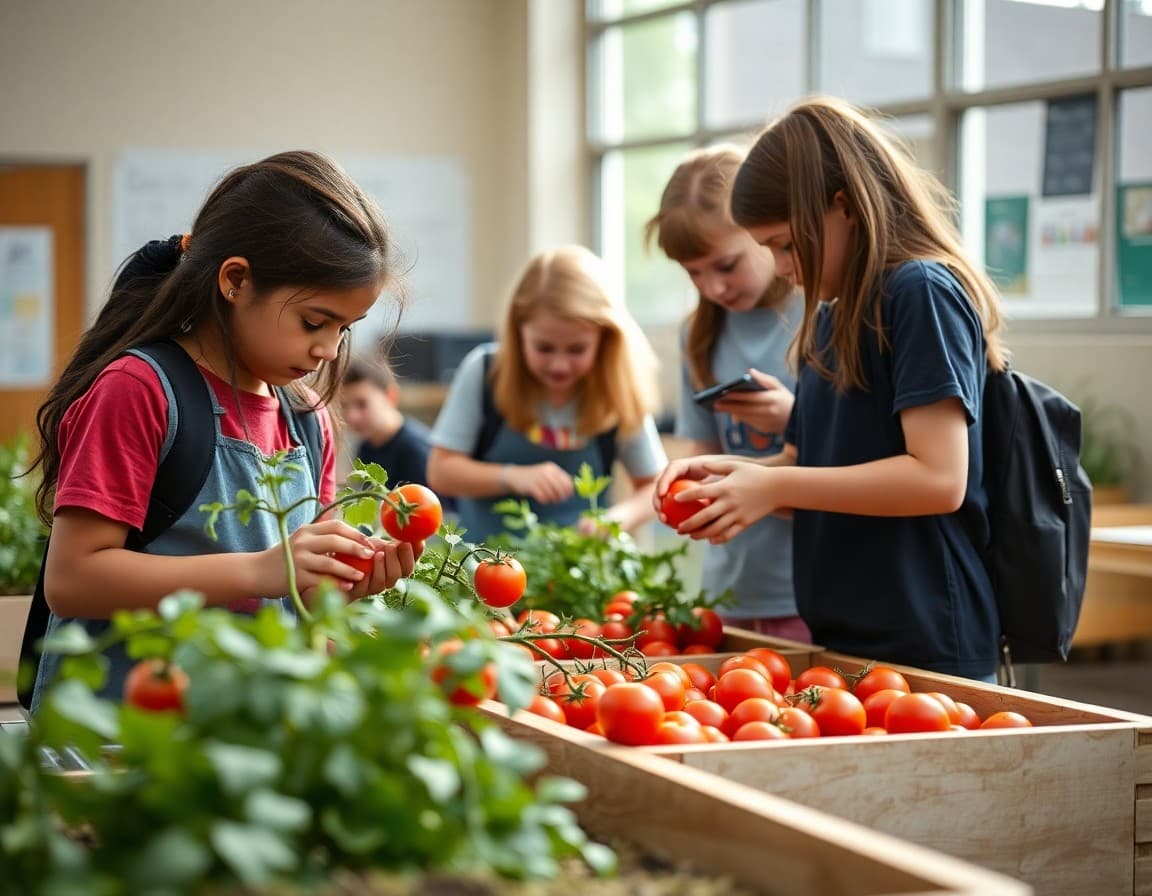
A school garden produces more than vegetables. It produces stories: the seedling that did not survive the April frost, the 23-pound pumpkin nobody expected, the kindergartner who had never touched soil before and spent the whole period with both hands buried in it. A garden club newsletter captures those stories and connects the garden to the broader school community. Without the newsletter, the work stays invisible to everyone outside the club.
Anchor Each Issue to What Is Happening Right Now
The most readable garden newsletters are timely. In October, write about the harvest. In February, write about what the club is planning to plant in March. In May, write about what is growing and what is struggling. Readers connect to content that reflects the actual season they are living in. A newsletter about spring planting sent in November loses the connection to immediate reality that makes garden content engaging.
Report Harvest Numbers
Specific numbers make impact visible. "We had a good harvest" means nothing. "In September, the club harvested 34 pounds of tomatoes, 18 pounds of green beans, 6 pounds of basil, and 2 pounds of hot peppers" tells a real story. Add where the produce went: the school cafeteria, the local food pantry, a faculty luncheon, or member families. Readers who see that 34 pounds of tomatoes went to the school cafeteria understand that the garden is not a decoration. It is a working food source.
Teach Something Practical Each Issue
A short how-to section gives readers something to take home. Here is a template for a seed-saving guide:
How to Save Tomato Seeds (for next season)
Pick a fully ripe tomato from a healthy plant. Squeeze the seeds and gel into a jar with a small amount of water. Let it sit for two to three days at room temperature until mold forms on the surface. That mold breaks down the germination-inhibiting gel. Rinse the seeds through a fine strainer, spread them on a paper plate to dry for a week, and store them in a labeled envelope in a cool, dry place. Next spring, you have free seeds from the best plant you grew this year.
That 100-word section teaches a real skill and makes your newsletter worth keeping.
Include a Recipe From the Harvest
A simple recipe using what the club grew reaches readers far outside your membership. "We made this with the basil we grew" adds a dimension of usefulness that transforms the newsletter from a club update into a resource. Keep the recipe short, five to six steps maximum, and include the name of the member who made it. Recipes with a student's name attached feel personal in a way that an anonymous recipe does not.
Recognize Member Contributions Specifically
A roster of names in a recognition section reads flat. Instead, describe what specific members did. "Marcus spent three consecutive Saturdays in October building the new raised bed in the northwest corner. The bed is now producing its first round of winter lettuce." That sentence recognizes Marcus in a way that tells readers exactly what he contributed. It also shows prospective members that the club does real, visible work.
Spotlight a Community Connection
Most school gardens have at least one community partner: a local nursery that donated soil, a university extension office that provided expertise, a food pantry that receives donations. Dedicate 75-100 words per issue to one of these relationships. Explain who the partner is, what they contributed to the garden, and what the garden gives back to them. These stories expand the newsletter's relevance beyond the school and build goodwill with community organizations who may support the club in future seasons.
Plan Coverage Around the Growing Calendar
Map your publication schedule to the garden's natural rhythm at the start of the year. An October harvest issue, a December planning issue, a February seed-order preview, an April planting kickoff issue, and a June wrap-up covers the full school year with content that is always timely. Assign a student lead for each issue so the writing responsibility rotates and no single editor burns out. A calendar planned in September takes 30 minutes and prevents last-minute scrambles all year.
Get one newsletter idea every week.
Free. For teachers. No spam.
Frequently asked questions
What should a garden club newsletter include each season?
Match your content to what is actually happening in the garden. Fall issues cover harvest totals, seed saving, and winter prep. Winter issues work well for planning content: upcoming seed orders, design ideas for new beds, and research on what grew well or poorly last year. Spring issues cover planting schedules and early growth updates. Summer issues, if you publish them, focus on maintenance and any summer program activities.
How do we make a garden newsletter interesting to students who do not garden?
Connect the garden to food. A newsletter section that includes a simple recipe using something the club just harvested reaches a much wider audience than a planting update. 'We harvested 11 pounds of cherry tomatoes last week. Here is the pasta dish two of our members made with them' is engaging to almost anyone.
How often should a garden club publish?
Monthly during the growing season, quarterly in the off-season. An October harvest report, a November wrap-up, and then a February planning issue before spring planting covers the school year without overwhelming a small student team. Consistent timing matters more than frequency.
How do we handle donations and community partnerships in the newsletter?
Name donors and partners clearly and specifically. If a local nursery donated 40 seedlings, say so by name and explain what those seedlings became. If your harvest went to a food pantry, name the pantry and report the weight donated. Specific acknowledgment encourages future donations and shows readers that the club has real community connections.
Can Daystage help us publish a garden newsletter with photos of the garden?
Yes. Daystage supports photo blocks alongside text, so your student editors can drop in images of seedlings, harvests, and garden events without needing any design experience. Photos of the actual garden dramatically increase engagement compared to text-only newsletters about growing season updates.

Adi Ackerman
Author
Adi Ackerman is a former classroom teacher and curriculum writer with 8 years in K-8 schools. She writes about school communication, parent engagement, and what actually works in real classrooms.
More for Student-Led
Ready to send your first newsletter?
3 newsletters free. No credit card. First one ready in under 5 minutes.
Get started free