
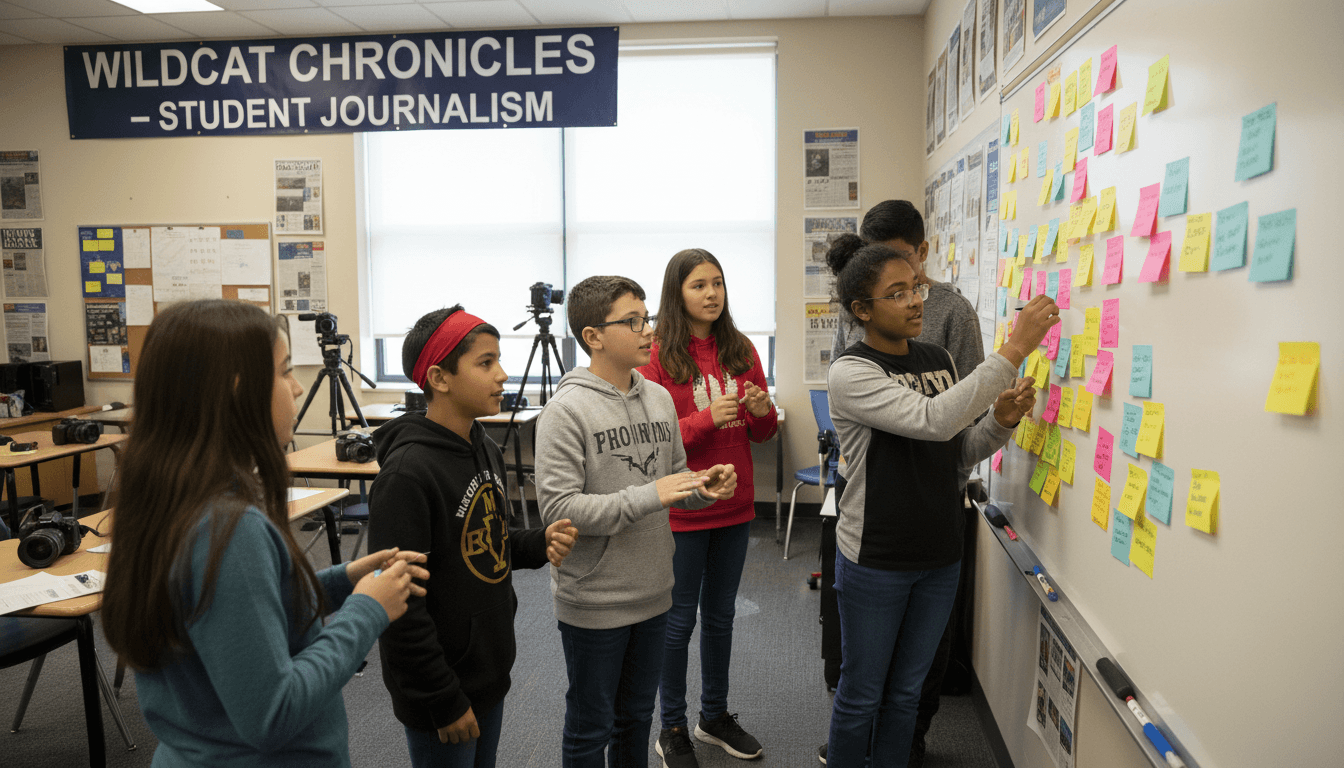
Student Press Freedom Newsletter: How Advisors and Principals Communicate Press Protections

Student press freedom is not just a legal topic. It is the foundation of what student journalism can do in a school community. Publications with clear editorial independence frameworks produce students who learn real journalism. Publications where administrative review is ambiguous or excessive produce students who learn compliance.
The legal landscape
Advisors need to understand and communicate the legal framework around student press in their state. Post-Hazelwood states with student free expression statutes give students significantly more protection than states that follow the original 1988 Hazelwood standard. The newsletter or orientation communication should name which legal framework applies and what it means for the publication's operating scope.
Students who know their legal rights are less likely to self-censor legitimate stories. Students who operate without any understanding of their rights tend toward excessive caution, which produces weaker journalism.
Defining editorial independence for your publication
The communication should describe what editorial independence looks like in practice at your publication. What decisions does the student editorial board make without administrative input? What topics require advisor consultation? What is the process when a source or community member complains about coverage?
Specificity here prevents the ambiguity that leads to self-censorship. "We cover all topics of genuine school community concern, including disciplinary policy, budget decisions, and student life issues, with the same standards we apply to any story" is a clearer statement than "we support student voice."
The advisor's role in press freedom
The journalism advisor is the most important factor in whether a student publication operates with genuine independence. Advisors who help students think through editorial decisions, challenge their reporting quality, and support them when administration pushes back on a story are doing what the role requires.
Communicate to students explicitly what the advisor will and will not do. An advisor who explains their editorial role is not going to spike stories because they make someone uncomfortable is communicating something important about the newsroom's culture.
Communicating press freedom to administration
Principals and administrators who understand the editorial independence framework before a challenging story arises are better prepared to respond appropriately than those who encounter it for the first time in a conflict. A brief communication to administration at the start of the year about how the publication operates, what prior review policies are in place, and what the legal framework requires prevents misunderstandings during high-stakes moments.
What families should know
Families who understand that the school publication operates with editorial independence are not surprised when it covers topics that are uncomfortable for the school. A brief family-facing explanation of the publication's mission and operating framework sets appropriate expectations and builds support for the program as a genuine journalistic enterprise.
Get one newsletter idea every week.
Free. For teachers. No spam.
Frequently asked questions
What is student press freedom and why does it matter for school newsletters?
Student press freedom refers to the right of student journalists to report on topics of genuine school concern without prior review or suppression by school administration, within legal limits. Schools with clear editorial independence policies produce stronger journalism, attract more serious student reporters, and build more credible publications than schools where administrative control is ambiguous or excessive.
How should advisors communicate the boundaries of student press freedom?
Be specific: describe what students can report on without administrative approval, what topics require advisor review, what topics are off-limits due to legal constraints, and what the process is when a coverage decision is disputed. Ambiguous boundaries lead to self-censorship on legitimate stories and confusion when a challenging story arises.
How do advisors communicate the difference between editing and censorship to students?
Editing is guidance on accuracy, fairness, clarity, and quality. Censorship is suppression of a story because the content is uncomfortable for the school or administration. Students who understand this distinction are better equipped to push back on editorial interference and to accept legitimate editorial guidance without confusing the two.
How do schools communicate student press freedom policies to families?
A brief parent-facing explanation of how the student publication operates, its editorial independence framework, and what families can expect from coverage of school events communicates that the publication is a genuine journalistic entity, not a school PR vehicle. This framing builds family trust in the publication.
How does Daystage help student publications communicate their editorial independence?
Daystage gives student news programs a platform to distribute their publication to families and staff, communicate their editorial mission, and send issue announcements that position the publication as an independent voice within the school community.

Adi Ackerman
Author
Adi Ackerman is a former classroom teacher and curriculum writer with 8 years in K-8 schools. She writes about school communication, parent engagement, and what actually works in real classrooms.
More for Student-Led
Ready to send your first newsletter?
3 newsletters free. No credit card. First one ready in under 5 minutes.
Get started free