
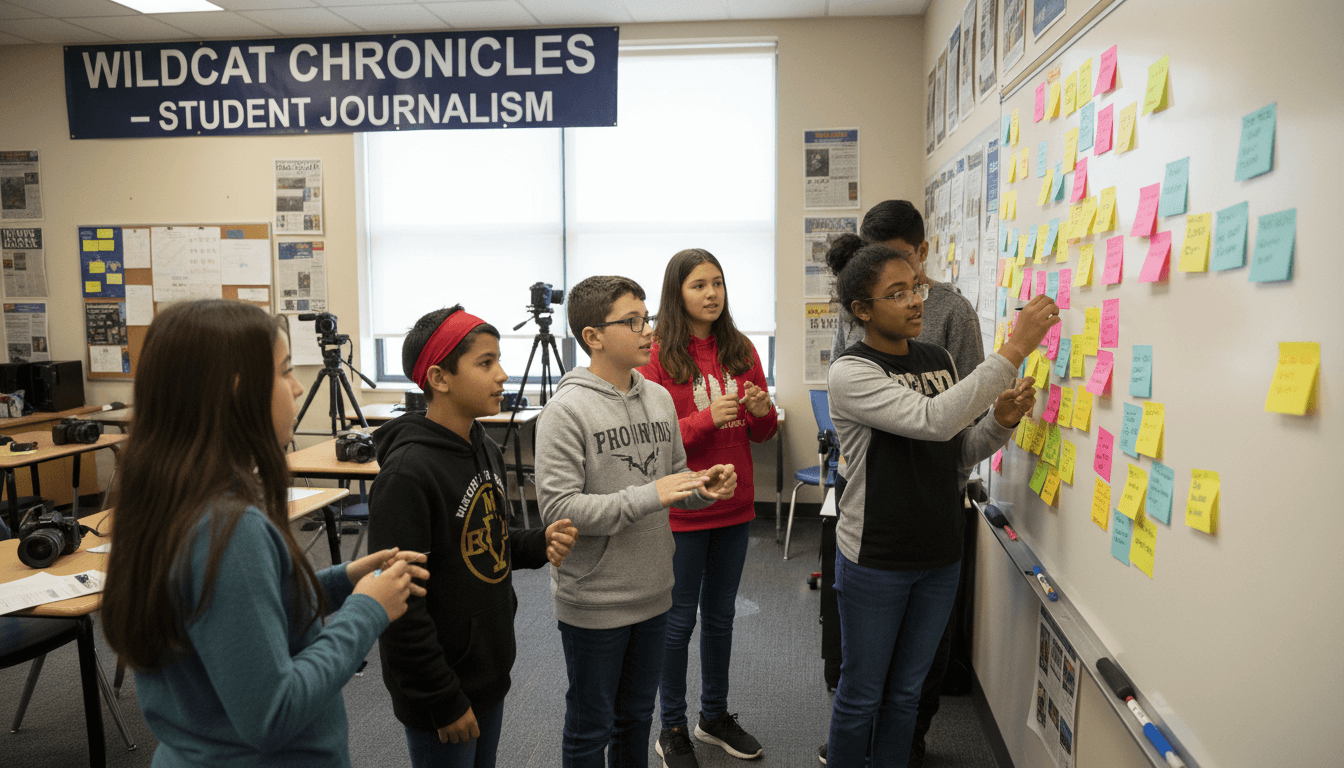
How Students Can Lead the Newsletter's Recognition and Awards Coverage

Recognition coverage written by students about their peers is more authentic, more interesting, and more widely read than recognition content written by adults about students. A student journalist who interviews a classmate about a competition win or a service achievement produces a story. An administrator who lists the same achievement produces a notice.
Define the Recognition Categories Students Will Cover
Student newsletter reporters should own specific recognition categories consistently: a monthly student achievement profile, an athletic season review, a community service recognition feature, and an arts achievement spotlight are all natural student-led content areas. Defining the categories creates recurring structure that gives students a clear assignment and gives readers a consistent feature they learn to expect.
Require an Interview Before Every Recognition Feature
Recognition features that are written without an interview produce lists of accomplishments. Recognition features written after a 20-minute interview produce stories about people. Require every student writing a recognition feature to interview the subject before drafting. "What was the hardest part?" and "What did you learn that you did not expect to learn?" are the questions that produce the answers that make recognition features worth reading.
Build Equity into the Selection Process
Recognition coverage that consistently features the same students, the same programs, or the same demographics signals to the rest of the school community that their achievements are less worthy of attention. Track who has been featured over the year and actively seek out students from underrepresented groups, programs, and grade levels.
An explicit equity review before each selection, "Who have we not featured yet this year?", builds a recognition program that the whole school community sees itself in.
Introduce Peer Nomination
A peer nomination system for student recognition features distributes the selection process beyond the editorial team and surfaces students whose achievements are visible to their peers but may not be on the school administration's radar. A brief nomination form linked in the newsletter, asking students to nominate a peer and describe what they achieved and why it matters, produces recognition subjects the editorial team would not have identified independently.
Publish the Full Story, Not Just the Achievement
The achievement is the hook. The story is what makes the feature worth reading. A student who placed in a state competition trained for eight months, missed a summer event for a practice session, and found out she made the finals from her phone during a family dinner. That is a story. "She placed third at the state competition" is not. Train student journalists to find the story behind the achievement and tell it.
Get one newsletter idea every week.
Free. For teachers. No spam.
Frequently asked questions
What types of recognition content can students own in the newsletter?
Student of the month profiles written by students about their peers. Academic achievement features where a student journalist interviews a classmate about an award, competition placement, or academic accomplishment. Athletic season reviews written by a student sports reporter. Arts achievement spotlights featuring student performers, artists, or musicians. Community service recognition stories. Student journalists who write about their peers' achievements produce content that is more authentic and more interesting than recognition copy written by adults.
How do you ensure recognition coverage is equitable across the student body?
Track coverage over the course of the year and identify gaps. Are certain grade levels, programs, or student populations consistently underrepresented? Are the same students appearing repeatedly while others never appear? Building equity checks into the editorial process, reviewing who has been featured before choosing the next recognition subject, produces coverage that reflects the full school community rather than only its most visible members.
How do students write recognition content that goes beyond a list of accomplishments?
Require students to conduct an interview before writing. A recognition feature that reads 'she won first place in the regional essay competition' is an announcement. A feature that reads 'she wrote six drafts over three months, throwing out the first five, and discovered in the final draft what she actually wanted to say' is a story. The interview produces the story. The accomplishment is just the premise.
How do you manage the social dynamics of recognition coverage in a student publication?
Establish clear selection criteria before the program begins and publish them. Recognition that appears based on transparent criteria is received differently than recognition that appears to reflect the editor's personal relationships. Criteria like 'the student who contributed most visibly to a school community program' or 'the student with the most improved academic performance this semester' are defensible. 'The most popular student' is not.
How does Daystage support student recognition coverage?
Daystage helps schools build recognition coverage into newsletters in a way that gives students journalistic ownership of the content, ensures equitable coverage across the school community, and produces recognition features that families actually read rather than skim. Schools use it to make student achievement visible in a format that does justice to the students being recognized.

Adi Ackerman
Author
Adi Ackerman is a former classroom teacher and curriculum writer with 8 years in K-8 schools. She writes about school communication, parent engagement, and what actually works in real classrooms.
More for Student-Led
Ready to send your first newsletter?
3 newsletters free. No credit card. First one ready in under 5 minutes.
Get started free