
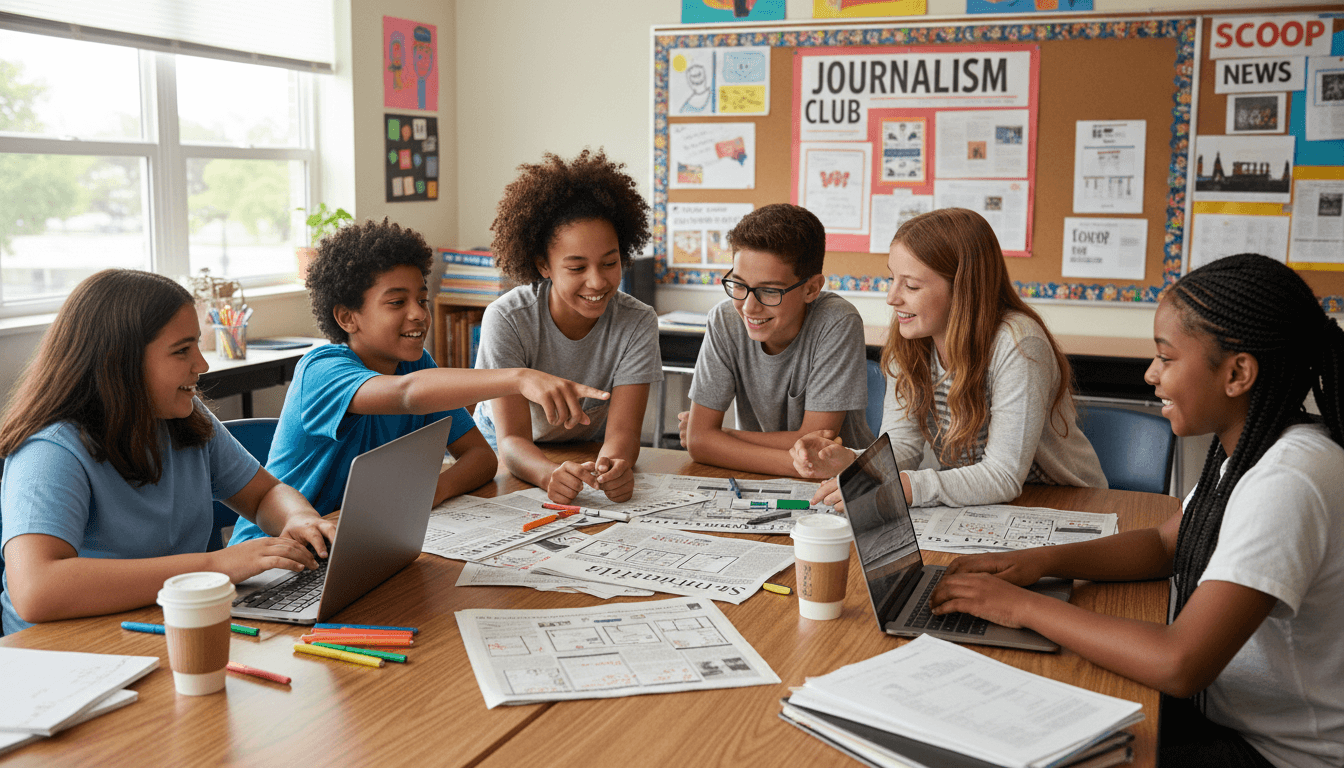
Student-Led School Newsletters: A Teacher's Guide to Making Them Work
A student-led newsletter is one of the richest projects in a K-12 curriculum. It teaches writing, editing, research, interviewing, layout, deadline management, audience awareness, and publication, in a real context with a real audience. The finished product is not a grade on a rubric. It is something people read.
It also takes more setup than most classroom projects. This guide covers what that setup looks like and how to build a student newsletter operation that sustains itself over a full school year.
Start with the Audience
Before anything else, define who the newsletter is for. This shapes every subsequent decision about content, format, tone, and length.
The most common audiences for student-produced school newsletters:
- Families: The most common choice for elementary and middle school. Students report on classroom activities, school events, and student achievements to the families who otherwise receive only teacher-written communications. This audience gives students an immediate, meaningful readership.
- The school community (students and staff): Works especially well for middle and high school. Students report news that matters to their peers, sports results, event coverage, student profiles, school issues. This is closer to a traditional school newspaper model.
- A specific community partner: Some schools produce newsletters for a partner organization, a local senior center, a partner school, a community business. This creates a genuine external audience with high stakes for quality.
The audience is not just administrative context. Students write differently when they know who they are writing for. Define it early and return to it constantly as an editorial standard: "Would our readers understand this?" is a question students can answer when they know who the readers are.
Editorial Structure
A student newsletter needs an editorial structure to function week to week. The minimum viable structure:
- Editor-in-chief or lead editor: One student (or two co-editors) responsible for the final product. They make calls on what goes in and what gets cut. They coordinate the other writers. They submit the final version. This role teaches more about professional communication than any single writing assignment can.
- Beat reporters: Each student covers a specific beat, school news, arts, sports, science/STEM, community service, student profiles. Beats give students ownership of a topic and build expertise over time.
- Copy editor: One student who reviews all pieces for errors before publication. In smaller classes, the teacher covers this role, but giving it to a student teaches proofreading as a real professional skill.
The Publishing Workflow
A reliable weekly or bi-weekly publishing cycle requires a clear workflow with hard deadlines. Without hard deadlines, newsletter production degrades into whatever is ready whenever someone gets around to it.
A workable bi-weekly cycle:
- Day 1: Editorial meeting. Decide what stories to cover. Assign beats. Identify who to interview.
- Days 2-4: Reporting and drafting. Students research, interview, and write first drafts.
- Day 5: Drafts due. Editor and teacher review.
- Day 6: Revisions. Writers address feedback.
- Day 7: Final review, layout, publication.
The teacher's role in this workflow is editorial coach, not primary editor. The goal is for the student editorial team to make decisions and solve problems, with the teacher available to advise rather than do.
Teaching the Core Skills
The inverted pyramid
Before students write their first story, teach the inverted pyramid: most important information first, supporting detail in the middle, background and context at the end. This is counterintuitive for students trained on five-paragraph essays with thesis statements and introductory hooks. It is the fundamental structure of journalism.
The interview
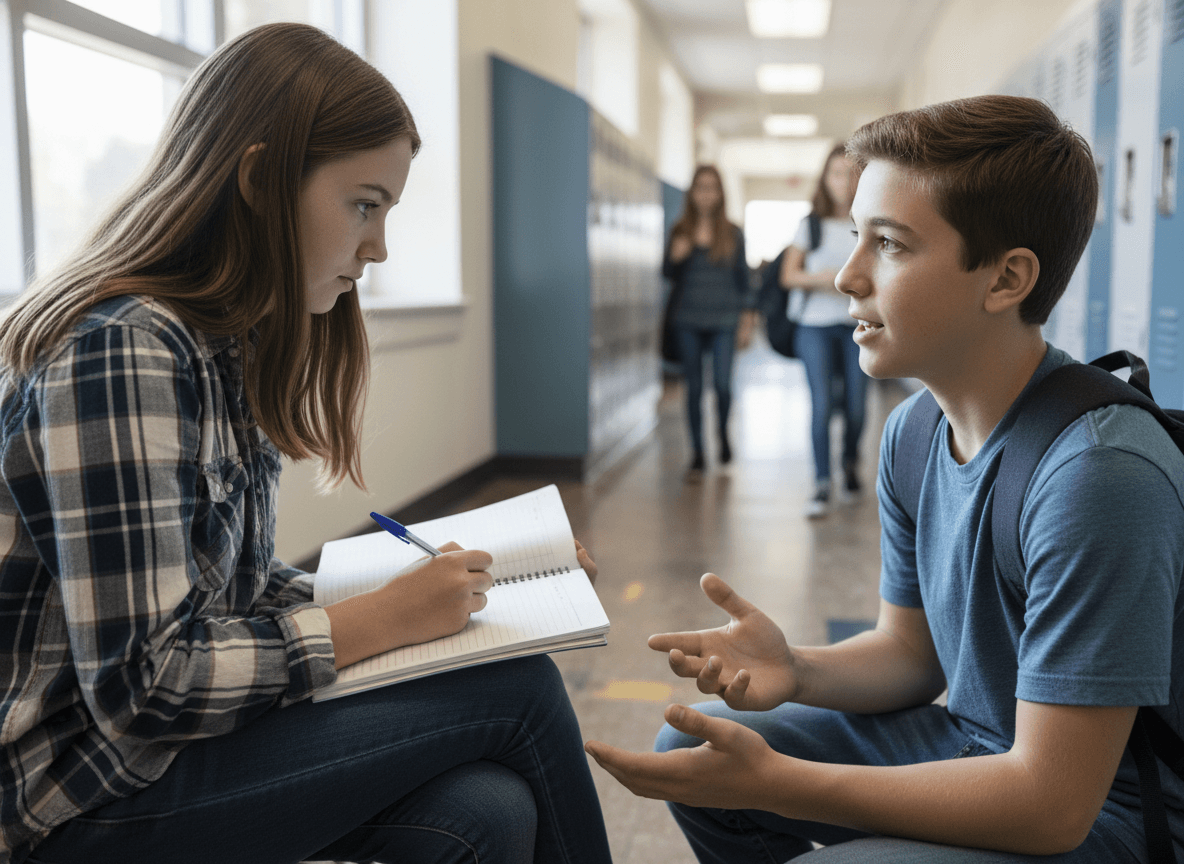
Student journalists improve dramatically when they talk to sources rather than writing from their own knowledge. Teach basic interview technique: prepare three to five specific questions in advance, listen for the surprising answer, follow up, take accurate notes. A one-paragraph profile of a classmate written from an interview is better journalism training than a 500-word opinion piece.
The edit
Teach students that editing is not grading. An editor's job is to help the writer say what they meant more clearly, not to fix the piece for them. Peer editing with specific prompts ("What is the most important sentence in this story?" "What question does this leave unanswered?") produces better revisions than general comments.
Managing Quality Without Crushing Motivation
The hardest part of running a student newsletter is maintaining quality standards without demoralizing student writers. A few specific practices:
- Publish everything, even imperfect pieces. Students learn from seeing their work in public. A policy of holding pieces until they are perfect teaches students that their work is never good enough.
- Use the newsletter archive as a teaching tool. Review published issues together. "What worked in this story? What would we change?" The student's own past work is the best material for a writing lesson.
- Celebrate audience response. A parent who emails to say they loved a student's piece, a teacher who mentions they read the profile of themselves, a community member who referenced a story, these responses are more motivating than any grade.
Get one newsletter idea every week.
Free. For teachers. No spam.
Frequently asked questions
When should teachers introduce student-led newsletter responsibilities?
Introduce student roles after the class or club has completed at least one full publication cycle with teacher guidance. Students need to understand the process before they can own it.
What should student-led school newsletters cover?
Student-led newsletters work best when they include content only students can produce: first-person accounts of class projects, student-selected photos with captions, interviews with peers, and honest previews of upcoming events. Avoid having students replicate content the principal already sends.
How should teachers manage quality in student-led newsletters without crushing motivation?
Set non-negotiable rules for accuracy and appropriateness, and give student editors ownership of everything else. When a student wants to write about something unusual, ask questions rather than saying no. The goal is a newsletter they are proud to publish.
What mistakes do teachers make managing student-led publications?
Over-editing student voice is the most common problem. A newsletter where every sentence sounds like a teacher edited it will not drive the family engagement a genuinely student-produced publication creates.
How does Daystage support student-led school newsletters?
Teachers use Daystage to maintain a final review step before each issue publishes while giving students the freedom to build and write their sections independently, keeping adult oversight without removing student ownership.

Adi Ackerman
Author
Adi Ackerman is a former classroom teacher and curriculum writer with 8 years in K-8 schools. She writes about school communication, parent engagement, and what actually works in real classrooms.
More for Student-Led
Student-Led Budget Transparency Newsletter: How Student Journalists Cover School Finances
Student-Led · 5 min read
Student-Led School Pride Newsletter: How Student Journalists Build Community Identity
Student-Led · 5 min read
Why Editorial Independence Matters in Student Publications
Student-Led · 6 min read
Ready to send your first newsletter?
3 newsletters free. No credit card. First one ready in under 5 minutes.
Get started free