
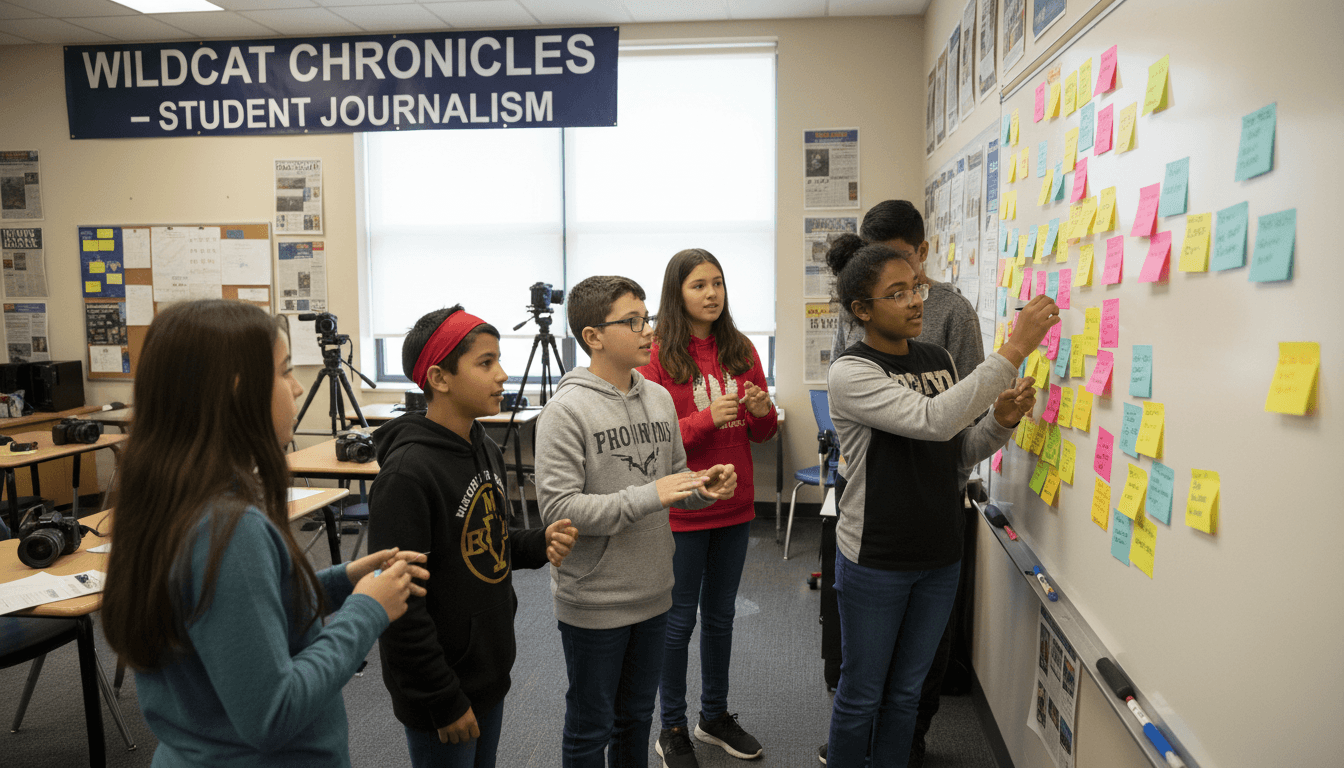
Student News Staff Training Newsletter: How Advisors Build Skills in a Student Journalism Team
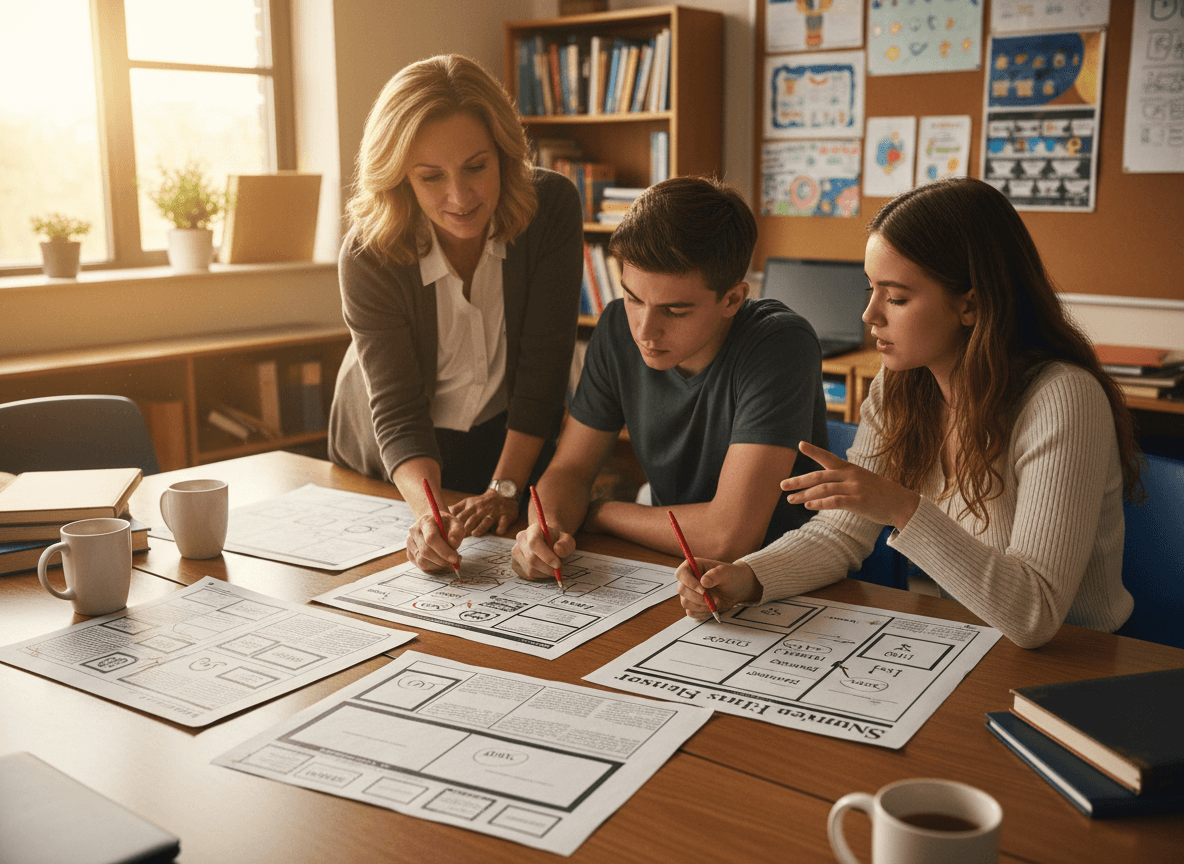
A student journalism program that does not invest in staff development produces the same quality journalism at the end of the year as it did at the beginning. A program with deliberate training, consistent critique, and explicit skill-building produces journalists who are measurably better than they were in September. The difference is the advisor's willingness to make development a priority alongside production.
The orientation training sequence
The first weeks of the year are the highest-leverage training period. Incoming staff are motivated, expectations are being set, and habits are forming. Use this window for training that covers the publication's core standards and processes: the inverted pyramid, attribution requirements, the interview process, fact-check protocols, and the editorial workflow.
This early training does not need to be comprehensive. It needs to be clear and practical. Students who leave orientation knowing how to write a news lead, how to attribute a quote, and how to submit a story are ready to produce. Students who receive extensive training on advanced topics before they have produced anything retain very little.
Critique as the core training tool
Published work is the best training material available. Regular critique sessions that examine recent published stories, identify what worked and what should be different, and name specific techniques that would improve specific weaknesses build skills faster than any abstract instruction.
Establish a critique culture that separates the work from the person. "The lead buries the news" is about the story. "You don't understand how to write a lead" is about the writer. The first is useful. The second is counterproductive.
Differentiated skill development
Students who join the staff at different experience levels need different development paths. A second-year reporter who has mastered basic news writing should be working on source development and interview technique. A first-year reporter should be mastering the inverted pyramid and basic attribution. Giving everyone the same assignments and the same training produces mediocre development across the board.
Peer mentorship within the newsroom
Experienced staff members who mentor new reporters build their own leadership skills while supporting the development of the people they are mentoring. A senior writer who helps a freshman reporter understand source development is reinforcing their own practice while contributing to the publication's institutional knowledge transmission. Structured mentorship pairs are more effective than informal advice.
Communicating program development to families
A journalism program that shares its students' published work with families is communicating the value of the program through the evidence of the work itself. Students who know their journalism reaches their parents and the broader school community invest more in its quality. Publication is the most effective motivator the training program has.
Get one newsletter idea every week.
Free. For teachers. No spam.
Frequently asked questions
What skills should a student journalism training program cover?
News writing and story structure, interviewing and source development, fact-checking and verification, headline writing, photography and visual storytelling, copy editing, page design and layout, digital publishing, data reading and basic analysis, and editorial ethics are the core skill areas. Not every student needs all skills at depth, but every student should have exposure to each area.
How do journalism advisors communicate skill expectations to incoming staff?
A skills document distributed at orientation that describes what each role requires, what training will be provided, and how performance will be assessed gives incoming staff a clear picture of what they are committing to. Students who know what they are expected to learn and how they will be evaluated invest differently than those who arrive without that framework.
How do advisors run effective critique sessions that improve staff skills without damaging confidence?
Critique sessions that focus on the work rather than the person, use specific examples from published content, and always identify both what worked and what should improve are more effective than sessions that catalog only errors. The most effective critique format is specific: 'This lead buries the news because it starts with context rather than the event.' Vague critique produces defensiveness.
How do journalism advisors build skill across staff members who are at very different levels?
Differentiated training, where advanced students receive more complex assignments and skill development while newer students receive more structured guidance, prevents both under-challenge for experienced students and overwhelm for beginners. Peer mentorship within the newsroom, pairing an experienced reporter with a new one, is an effective training structure that also builds newsroom culture.
How does Daystage support journalism programs in communicating their work to families?
Daystage gives journalism advisors a newsletter platform to share student journalism with families, demonstrate the program's value to the school community, and build the audience that motivates students to invest in improving their skills.

Adi Ackerman
Author
Adi Ackerman is a former classroom teacher and curriculum writer with 8 years in K-8 schools. She writes about school communication, parent engagement, and what actually works in real classrooms.
More for Student-Led
Student-Led End-of-Year Reflection Newsletter: How Student Journalists Close the School Year
Student-Led · 5 min read
Student Media Literacy Newsletter: How Student Journalists Teach Their Peers to Read the News
Student-Led · 5 min read
Student Newsletter Headline Writing Guide: How Student Journalists Write Headlines That Get Read
Student-Led · 5 min read
Ready to send your first newsletter?
3 newsletters free. No credit card. First one ready in under 5 minutes.
Get started free