
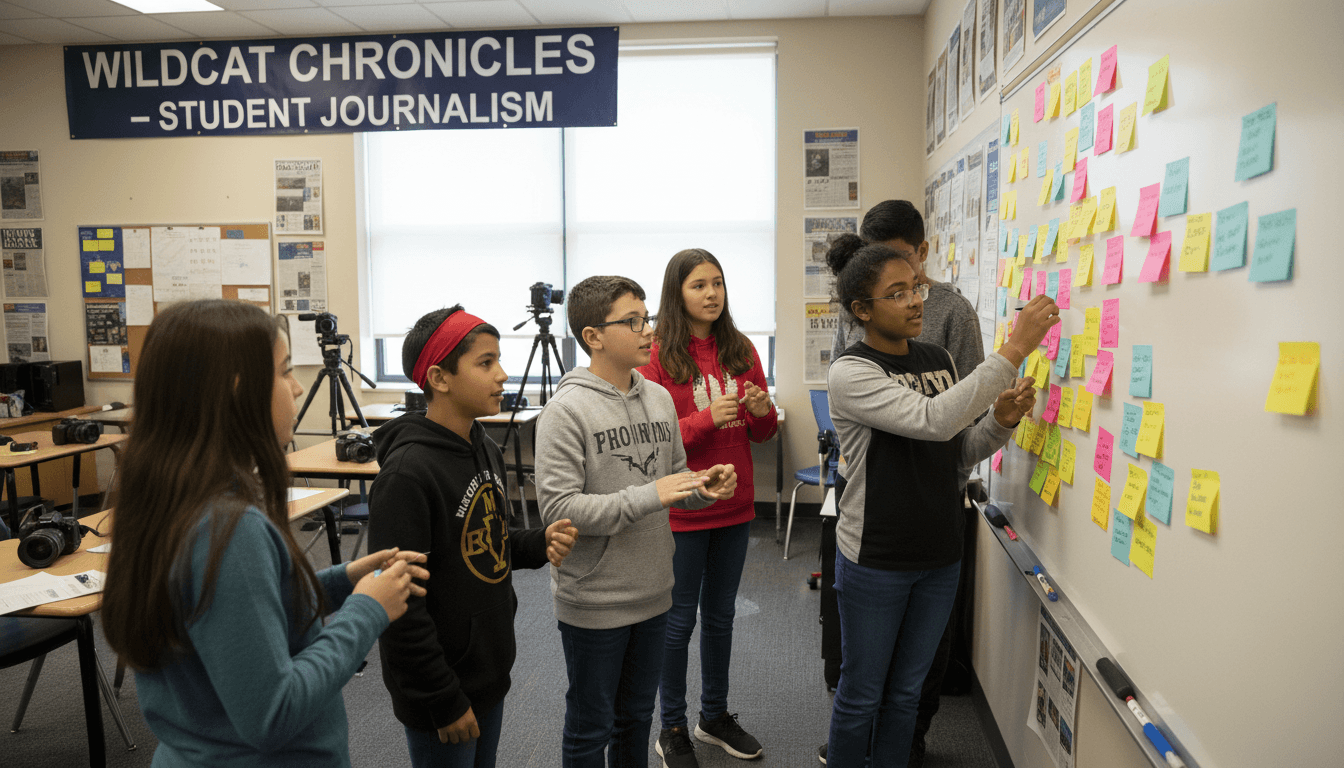
Student-Led School Pride Newsletter: How Student Journalists Build Community Identity

School pride is not manufactured. It grows from specific moments, specific people, and specific experiences that students remember and talk about. Student journalists who document those moments create something the school's formal communication rarely produces: a credible, specific record of what the school community actually values and celebrates.
Covering what students actually care about
The best school pride coverage comes from covering the things students genuinely care about, not the things administration wants to highlight. The student section that won the regional competition. The teacher who stayed late to help a struggling student before finals. The hallway tradition that nobody talks about but everyone participates in. These stories are where authentic school culture lives.
Student journalists who ask "what moments has this school produced that you still think about?" get better story material than those who cover the planned events on the school calendar.
Photography as pride journalism
School pride lives in images as much as text. A student photographer who spends time at the places students actually gather, the parking lot before school, the hallway where the seniors hang out, the gym during a close game, produces images that capture school culture in a way that staged or ceremonial photography does not.
Invest in giving student photographers access to the moments that matter. The best school pride photography archive is not of awards ceremonies. It is of the ordinary moments that become extraordinary in retrospect.
Traditions and their meaning
Every school has traditions that hold meaning for the community. The senior prank, the spirit week activities that have evolved over decades, the fundraiser that has run longer than any current staff member has worked there. Student journalists who report on traditions with genuine curiosity about where they came from and what they mean to people who have been part of them for years produce stories that older alumni and current students both want to read.
The honest coverage that builds real pride
Paradoxically, the coverage that most builds school pride often includes something honest about the school's difficulties. A story about a struggling athletic program that is working to rebuild, a school community that came together after a hard year, or students who advocated for a change and pushed through resistance is more compelling than coverage that only celebrates success.
Making student coverage reach families
Student-written school pride coverage belongs in family communication. A parent who reads a student's account of what the school's homecoming tradition means to students understands the school differently than a parent who reads a staff-written summary of the event. Share student coverage in the family newsletter with the student byline visible.
Get one newsletter idea every week.
Free. For teachers. No spam.
Frequently asked questions
What does student-led school pride coverage look like in practice?
Student-written profiles of students and staff doing something remarkable, coverage of the moments when the school community came together, reporting on traditions and what they mean to long-time community members, candid photography from school events, and student-written reflections on what the school means to them all contribute to a body of pride coverage that feels authentic rather than manufactured.
How is student-led pride coverage different from administration-produced school branding?
Administration-produced school branding tends to describe the school as the administration wants to see it. Student-led coverage describes the school as students actually experience it. The former is persuasive. The latter is credible. Both serve a purpose, but student credibility is the thing administration communication cannot replicate.
How do student journalists avoid school pride coverage becoming promotional rather than journalistic?
The distinction lies in specificity and honesty. Promotional content says 'our school is amazing.' Journalistic pride coverage says 'here is what happened at the championship game, how the team got there, and what it felt like to be in that gym.' The latter is compelling because it is true and specific.
How do schools use student-written pride coverage in their family communication?
Student-written stories about school events, student achievements, and community moments are excellent material for the school newsletter. Families who read a student-written account of the winter concert or the science fair experience it more vividly than they would from a staff-written summary. Reprint or link student coverage in family newsletters with permission.
How does Daystage help schools distribute student-led pride coverage to families and the community?
Daystage gives school publications a newsletter platform to share student-written stories and coverage with the full family audience, expanding the reach of student journalism beyond the students who follow the publication directly.

Adi Ackerman
Author
Adi Ackerman is a former classroom teacher and curriculum writer with 8 years in K-8 schools. She writes about school communication, parent engagement, and what actually works in real classrooms.
More for Student-Led
Ready to send your first newsletter?
3 newsletters free. No credit card. First one ready in under 5 minutes.
Get started free