
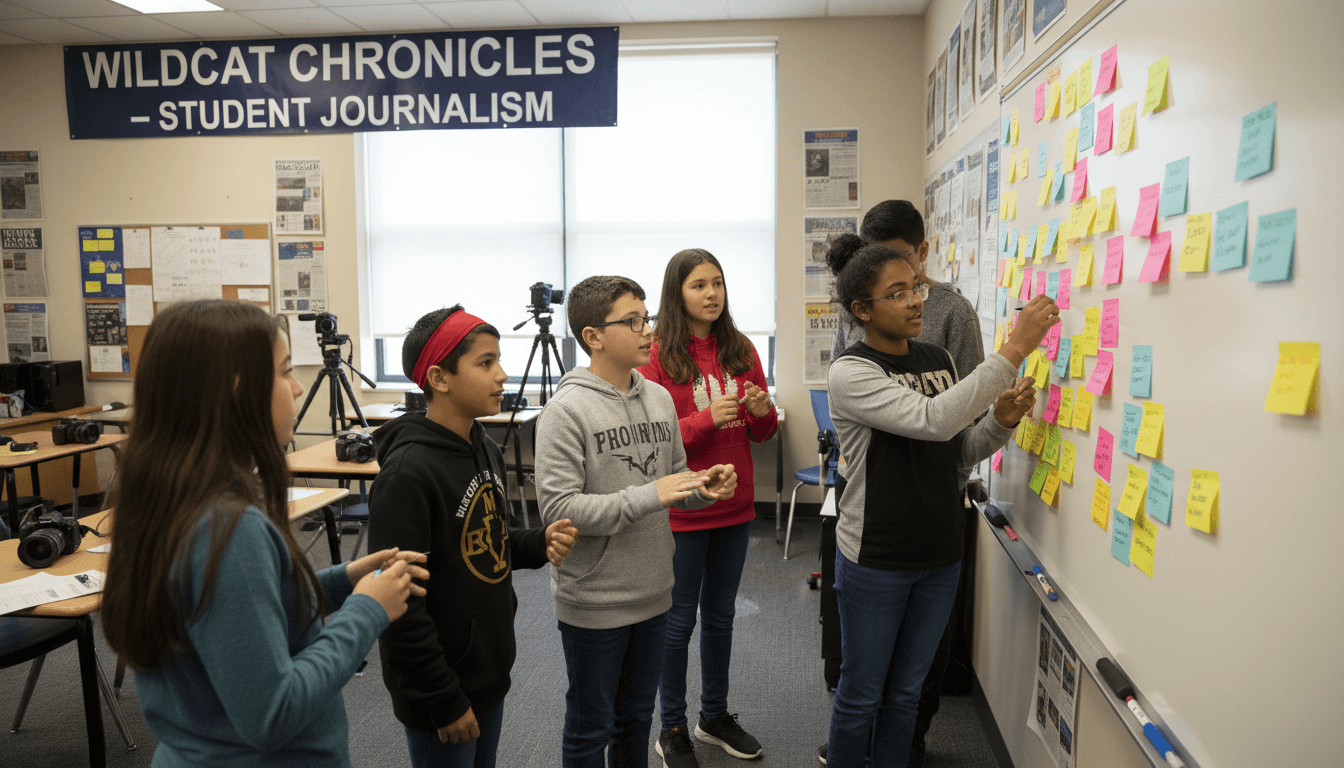
Student-Led School Policy Reporting Newsletter: How Student Journalists Cover Rules and Decisions

School policies are written by adults and experienced by students. The gap between those two realities is where student policy journalism lives. A student reporter who covers a new attendance policy, a dress code revision, or a discipline procedure change is covering something that affects every student in the building, from the perspective of the people most affected by the decision.
Knowing the policy before reporting on it
Student policy journalists should read the actual policy document before interviewing anyone about it. The student handbook, the school board resolution, the administrative memo, or whatever document defines the policy is the starting point. Reporters who have read the document can ask specific questions about specific provisions. Reporters who have not read it ask general questions and get general answers.
Policy documents are often more specific than the way the policy is described in conversation. The specificity is where the news lives. What exactly does the new attendance policy say happens after a third unexcused absence? That detail is what students need to know.
The full range of perspectives
Policy coverage requires multiple perspectives. The administration's rationale for the policy. Student reactions, which should include students who think the policy is reasonable as well as those who object. Family perspectives where relevant. Data or research the policy was based on, if any. And whether similar policies at comparable schools have produced the intended results.
Coverage that only presents the administration's framing or only presents student opposition is advocacy, not journalism.
Tracking policy over time
Policy stories are not one-time events. A follow-up story three months after a new discipline policy takes effect, asking whether it has produced the intended outcomes, is accountability journalism. A story about whether a policy that was communicated to families has been implemented as described is accountability journalism. The policies that were news in September are often worth revisiting in April.
Separating reporting from opinion
News coverage of school policies should accurately represent what the policy says, why it was adopted, and how it is being experienced. Opinion coverage of school policies should be clearly labeled as opinion and placed in the opinion section. A student journalist who writes an opinion piece about why a new school rule is unfair and labels it as such is practicing good journalism. A student journalist who writes the same opinion in a news format is not.
Building an accountability culture
Student publications that cover school policy consistently, accurately, and fairly build a culture of accountability in the school community. Administrators who know that policy decisions will receive journalistic scrutiny make more careful decisions. Students who know they can read accurate policy coverage in the student publication trust the publication. Both outcomes are the purpose of student journalism.
Get one newsletter idea every week.
Free. For teachers. No spam.
Frequently asked questions
Why is school policy reporting important for student journalism?
School policies directly affect every student in the building every day. Dress codes, discipline policies, schedule changes, course requirement shifts, and extracurricular rules all shape student experience. Student journalists who cover these decisions hold the decision-makers accountable to the community most affected by those decisions.
How do student journalists access school policy documents?
Student handbooks, school board meeting minutes, district policy manuals, and administrative memos are starting points. Board meeting agendas and minutes are typically public records. Student journalists who read these documents before interviewing administrators can ask more specific and productive questions.
How do student journalists cover policy changes fairly?
Include the administration's stated rationale for the change, student and family reactions across a range of perspectives, any data or research the decision was based on, and any alternative approaches that were considered. Policy coverage that only presents opposition or only presents the administration's framing is incomplete.
How do student journalists handle coverage of policies they personally disagree with?
Report the policy accurately regardless of personal opinion. Student journalists who make their personal views the frame of the story are writing opinion, not news. Opinion sections exist for a reason. The news section should report what the policy is, what it changes, what the rationale is, and what affected students and families think.
How does Daystage help student publications share school policy coverage with families?
Daystage gives student publications a newsletter platform to distribute policy reporting to families, who are often as affected by school policy changes as students and who benefit from student journalism's perspective on how policies are experienced by the people they govern.

Adi Ackerman
Author
Adi Ackerman is a former classroom teacher and curriculum writer with 8 years in K-8 schools. She writes about school communication, parent engagement, and what actually works in real classrooms.
More for Student-Led
Student Yearbook Newsletter: How Yearbook Staff Communicate with the School Community
Student-Led · 5 min read
Student-Led Cultural Events Newsletter: How Student Journalists Cover Heritage and Cultural Programs
Student-Led · 5 min read
Student Media Literacy Newsletter: How Student Journalists Teach Their Peers to Read the News
Student-Led · 5 min read
Ready to send your first newsletter?
3 newsletters free. No credit card. First one ready in under 5 minutes.
Get started free