
Student Yearbook Newsletter: How Yearbook Staff Communicate with the School Community
The yearbook is the only school publication that documents the entire school year in a permanent format. Most of the school community encounters it once, at the end. The yearbook newsletter builds the engagement, submission pipeline, and purchase support that makes the final product possible. It is how the yearbook staff turns a year-long production project into a school community project.
The launch newsletter
The first yearbook newsletter of the year should go out in September or early October and cover three things: how to purchase the yearbook, how to submit photos or content, and key dates for the year. Families and students who receive this information early are less likely to miss purchase deadlines, which are typically several months before delivery.
Include a clear call to action: the purchase link, the photo submission form, and any early-year deadlines for special sections. The start of the year is when engagement is highest and decisions are most open.
Mid-year submission campaigns
Photo submissions are the lifeblood of any yearbook. The yearbook staff cannot be everywhere, and community photos from clubs, families, and student organizations fill the gaps. A mid-year newsletter dedicated to the photo submission campaign should describe exactly what kinds of photos are needed, how to submit them, and what happens to submitted photos in the final product.
Specific requests produce more usable submissions than generic ones. "We need photos from fall sports season, club activities, and informal moments around the building" is more useful than "send us your photos."
Senior communication
Senior-specific content deserves its own communication thread. Portrait scheduling, senior ad purchases, senior quote submissions, and senior dedication sections all have their own deadlines that differ from the general yearbook calendar. Seniors who receive clear, early communication about these deadlines are more likely to meet them.
Building engagement with the production
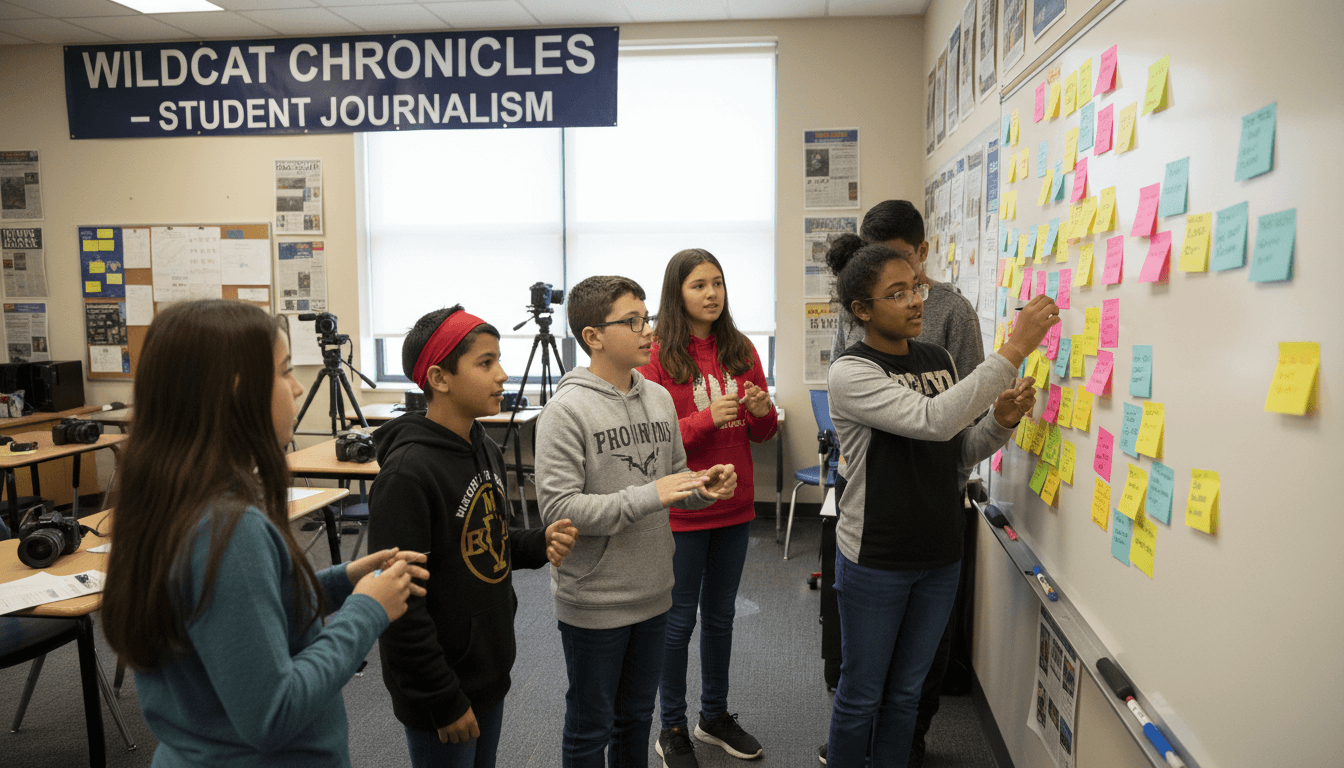
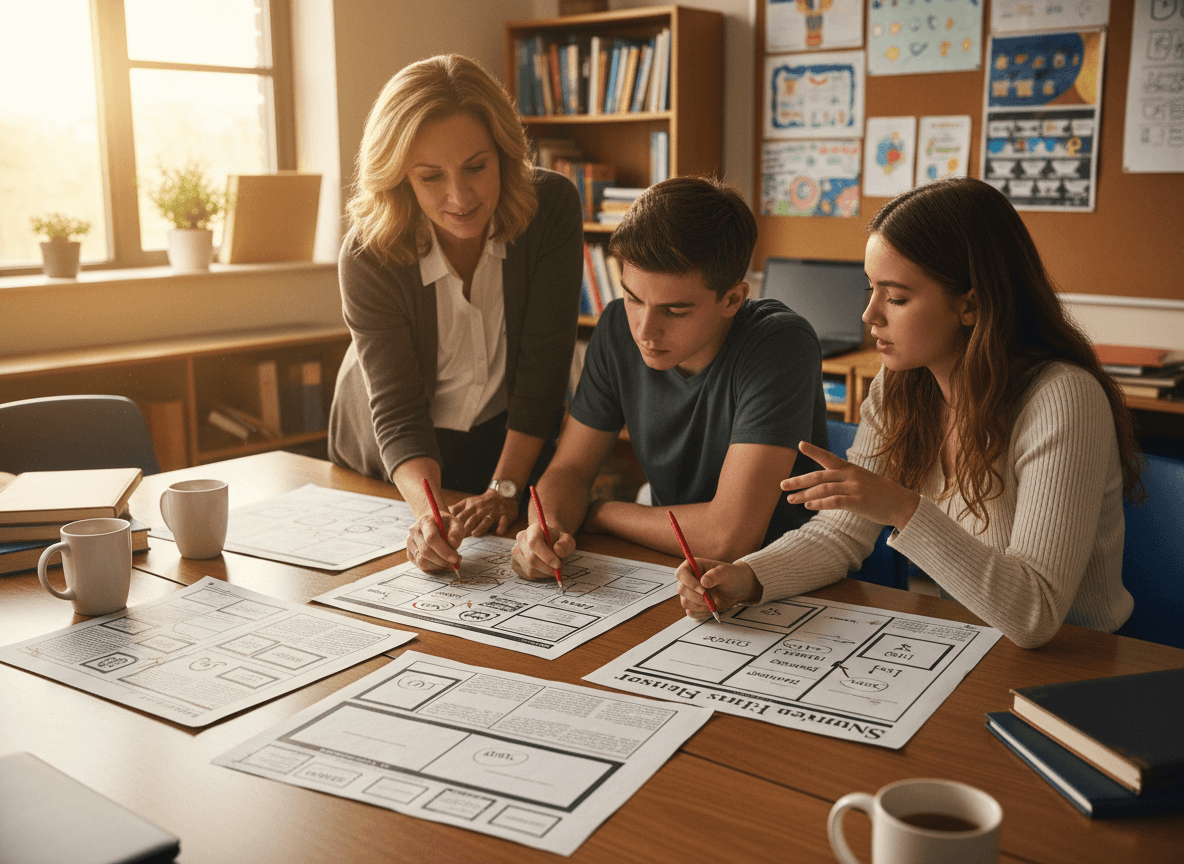
Students who feel connected to the yearbook production are more likely to buy it and value it. Show the production work in progress: a spread that is taking shape, a design decision the team is debating, a behind-the-scenes look at the photo editing process. Community members who feel like participants in the book rather than consumers of it invest differently.
Delivery and distribution communication
When the books arrive, communicate distribution logistics clearly: pickup dates, locations, any purchase verification process, and what to do if there is a printing error or a missing page. Clear delivery communication prevents the long lines, confusion, and frustration that can overshadow a successful yearbook.
Get one newsletter idea every week.
Free. For teachers. No spam.
Frequently asked questions
What should a yearbook newsletter communicate throughout the year?
At the start of the year: yearbook purchase information, submission deadlines, and how students can contribute photos or stories. Mid-year: status updates, photo submission reminders, portrait appointment information, and any special sections being developed. Near deadline: final purchase cutoff, delivery timeline, and dedication or senior ad submission deadlines. After delivery: distribution logistics and any issues resolution information.
How do yearbook staff collect community photo submissions?
Include a simple, accessible photo submission link in every yearbook newsletter. Describe what kinds of photos you are looking for, the technical requirements, and whether submissions will be credited. Students, families, and teachers who know how to submit photos and what the yearbook needs from them contribute more usable content than those who see the submission request once.
How do yearbook newsletters build engagement with students who are not on yearbook staff?
Show the work in progress. Tease specific spreads or features, share behind-the-scenes content from the production process, run school community polls about design decisions, and feature the yearbook staff themselves. Students who feel like participants in the yearbook, not just recipients of it, are more likely to buy it and engage with it when it arrives.
How do yearbook staff communicate with seniors specifically?
Seniors need targeted communication about senior portrait scheduling, senior ad purchases, senior quote submissions, and any senior-specific sections of the book. Senior communication should start early in the fall and include clear deadlines. Missing a senior ad or portrait deadline affects the final product in a way that cannot be easily fixed.
How does Daystage help yearbook staff communicate with the school community?
Daystage gives yearbook programs a newsletter platform to send submission calls, purchase reminders, progress updates, and distribution information to the full school family list, ensuring that yearbook communication reaches every family rather than only those who follow the yearbook on social media.

Adi Ackerman
Author
Adi Ackerman is a former classroom teacher and curriculum writer with 8 years in K-8 schools. She writes about school communication, parent engagement, and what actually works in real classrooms.
More for Student-Led
Student-Led Peer Recognition Newsletter: How Students Spotlight Fellow Students
Student-Led · 5 min read
Student Newsletter Data Journalism Guide: How Student Reporters Use Data to Tell School Stories
Student-Led · 5 min read
What Students Learn from Writing School Newsletters (Beyond Writing)
Student-Led · 5 min read
Ready to send your first newsletter?
3 newsletters free. No credit card. First one ready in under 5 minutes.
Get started free