
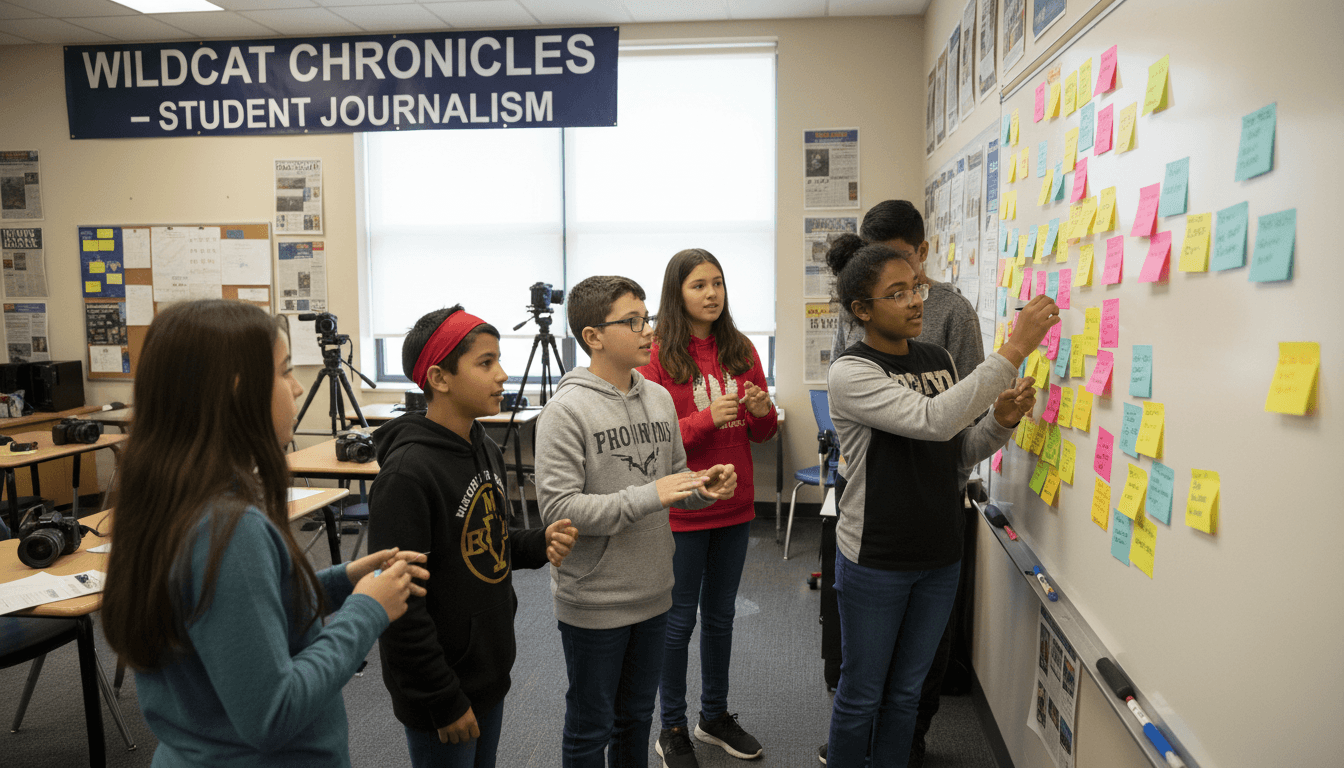
Student-Led Cultural Events Newsletter: How Student Journalists Cover Heritage and Cultural Programs

Cultural events and heritage programs are among the most meaningful events in any diverse school community. They are also among the most frequently undercovered. Student journalists who approach cultural events with genuine curiosity and journalistic rigor produce coverage that matters to the communities being covered and to the broader school audience trying to understand the full range of who is in the building.
Covering from the inside
The best cultural event coverage comes from spending time with the students who organized and participated in the event, not just attending and describing what was observed from the outside. Ask the student organization president what went into preparing the event. Ask a participant what the celebration means to them personally. Ask a student who attended for the first time what they learned.
These conversations produce coverage that conveys the significance of the event to its participants rather than a surface description that reads as observation without understanding.
Research and accuracy
Cultural reporting requires research. Before covering a heritage month event or a cultural celebration, student journalists should learn enough about the tradition or history being celebrated to describe it accurately. Ask student organization leaders what sources they trust and what common misconceptions exist. Inaccurate cultural coverage is harmful in a way that inaccurate coverage of, say, a sports score is not.
Offer sources the opportunity to review factual claims in the story before publication. This is not giving sources editorial control. It is a check against errors that the journalist may not be equipped to catch independently.
Coverage equity across communities
A publication that covers Black History Month but not Asian Pacific American Heritage Month, or covers the school's largest cultural student organization but not the smaller ones, is producing an incomplete picture of the school's community. Track coverage across communities and actively pursue stories from groups that have received less attention.
Student identity stories
Cultural events are often entry points to deeper stories about student identity and experience. A cultural heritage event can become a story about what it is like to navigate a school where your cultural background is in the minority, or what students from different backgrounds have learned from each other. These are stories worth telling that cultural event coverage can open.
Reaching families with cultural coverage
Families who read student-written cultural coverage develop a more textured understanding of the school community than those who receive only logistics announcements. Sharing cultural event coverage through the family newsletter reaches families who did not attend the event and builds community awareness of the school's cultural diversity.
Get one newsletter idea every week.
Free. For teachers. No spam.
Frequently asked questions
How should student journalists approach covering cultural heritage events?
Cover the event from the inside: interview students who are part of the cultural organization putting it on, ask what the event means to them and their community, and seek context that helps readers who are unfamiliar with the tradition understand it with accuracy. Avoid surface-level coverage that describes cultural events as entertainment without capturing their significance to the people they represent.
How do student publications cover cultural events fairly across the school's different communities?
Track which communities the publication has covered and which have not received coverage. Cultural and heritage coverage should span the full diversity of the school community rather than only featuring the largest or most visible groups. Coverage of smaller or less visible cultural groups is often the most valued.
How do student journalists handle cultural topics they are not personally familiar with?
Research before interviewing. Ask student organization leaders what sources they trust for context and history. Fact-check cultural descriptions with members of the community before publishing. Ask sources to review factual claims in the story, not for editorial approval, but to catch errors. Inaccuracies in cultural coverage cause real harm to the communities being covered.
How do student publications communicate about cultural events to families?
Cultural event coverage that reaches families through the school newsletter expands awareness of the school's cultural diversity beyond students who attend the events. Families who read student-written coverage of heritage events understand the school's community differently than those who only receive a logistics announcement.
How does Daystage help student publications distribute cultural event coverage to families?
Daystage gives student publications a newsletter platform to share cultural event coverage with the full school family audience, ensuring that coverage of heritage events and cultural programming reaches every family who receives the school newsletter.

Adi Ackerman
Author
Adi Ackerman is a former classroom teacher and curriculum writer with 8 years in K-8 schools. She writes about school communication, parent engagement, and what actually works in real classrooms.
More for Student-Led
Teaching Student Reporters to Interview for the School Newsletter
Student-Led · 5 min read
Student-Led Peer Recognition Newsletter: How Students Spotlight Fellow Students
Student-Led · 5 min read
Student Newsletter Data Journalism Guide: How Student Reporters Use Data to Tell School Stories
Student-Led · 5 min read
Ready to send your first newsletter?
3 newsletters free. No credit card. First one ready in under 5 minutes.
Get started free