
School Newsletter Student Editors: How to Run a Student-Led Newsletter Program
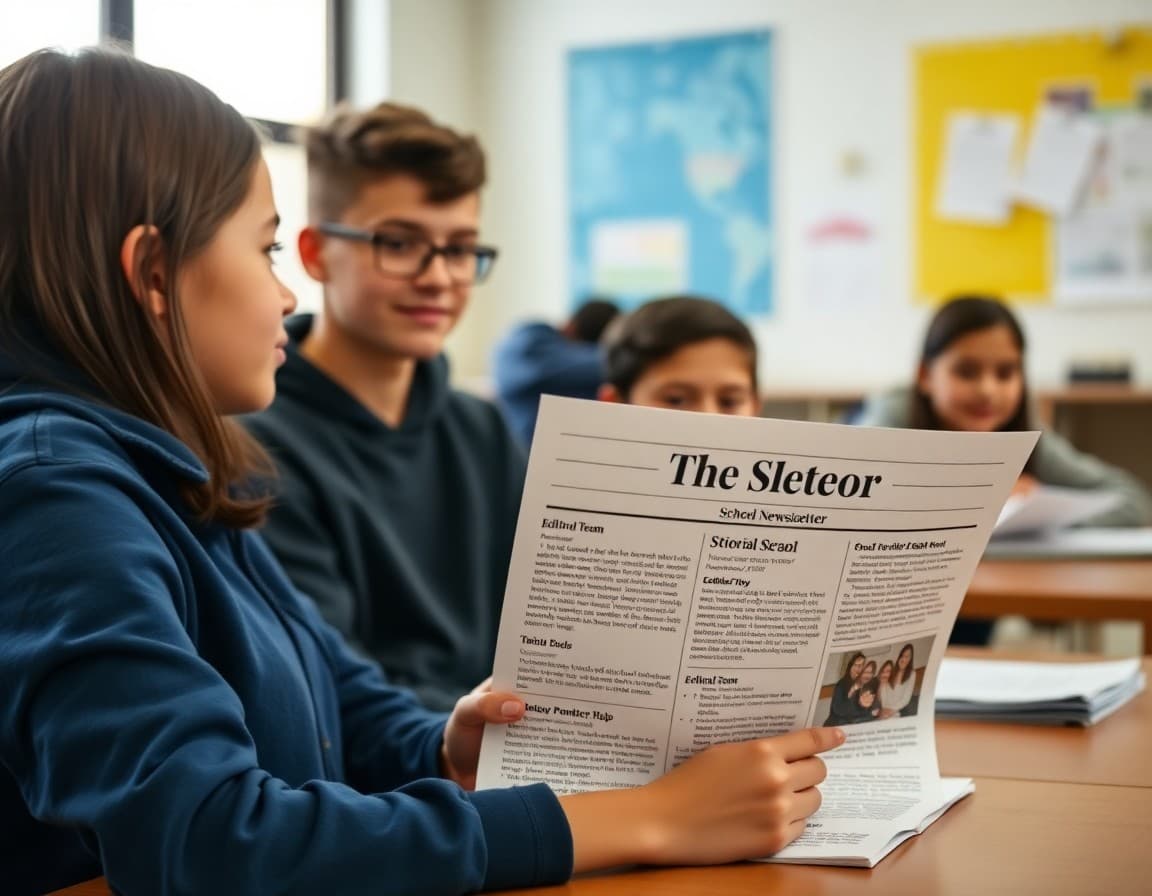
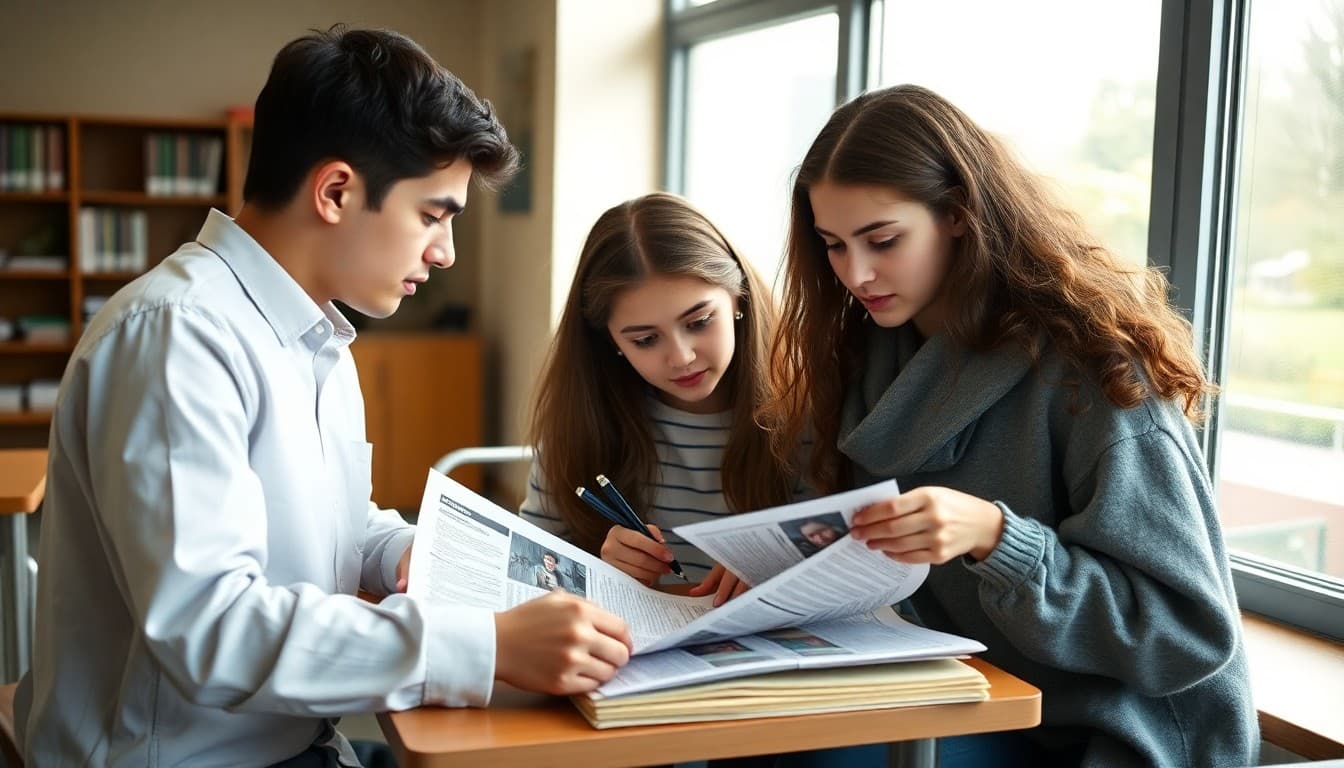
A student-led school newsletter is one of the most powerful authentic learning experiences a school can offer. Students who interview real people, report on real events, make real editorial decisions, and publish for a real audience are developing skills in writing, critical thinking, collaboration, and civic engagement that transfer directly to any future they choose. The advisor's job is to set the structure, teach the craft, and then get out of the way.
Starting Small and Building
The most common mistake in launching a student newsletter is trying to do too much at once. Start with a biweekly class newsletter written by a small team of four to six students. Establish one or two reliable content sections before adding more. Get comfortable with the production workflow before expanding the publication scope. A simple newsletter published consistently is far more valuable than an ambitious newsletter that cannot sustain itself.
Defining the Editorial Team
Clear roles make student editorial teams function. An editor-in-chief coordinates the whole publication and makes final decisions. Section editors own specific content areas and assign stories to reporters. Reporters research, interview, and write stories. Photographers cover events and provide visual content. A layout team assembles the final publication. At the start, one student can hold multiple roles. As the team grows, the roles can split. What matters is that every student knows their specific responsibility and the deadline for each issue.
Teaching the Craft
Student editors cannot produce quality journalism without instruction in the basics: what news is and how it differs from opinion, how to structure a news story (most important information first), how to conduct an interview and take usable notes, how to write a headline that is accurate and compelling, and how to choose photos that tell a story. Brief mini-lessons at the start of each production cycle, followed by immediate application to the current issue, build skills faster than stand-alone journalism units.
The Editorial Meeting
Every issue should start with a brief editorial meeting where the team reviews what has happened recently at school, what is coming up that readers need to know about, and who has tips or story ideas. This meeting, even if it lasts only fifteen minutes, teaches students to think like journalists: always looking for stories in the normal flow of school life rather than waiting for the advisor to suggest topics. The advisor facilitates but does not lead. Student voices should drive the story selection.
Editorial Standards
Student newsletters should have explicit editorial standards that students help create: accuracy comes first, names and facts are always verified before publication, people have a right to respond to criticism, and opinion is clearly labeled as opinion. When students own these standards, they enforce them on each other in ways that feel very different from having an adult enforce them. A brief editorial standards document, created with student input at the start of the year, becomes the team's shared reference.
Publication and Distribution
A student newsletter that reaches the whole school community gives students the experience of a real audience and real accountability. Daystage makes it practical for student editorial teams to design and distribute a professional-looking newsletter without needing graphic design skills. Students who see their bylines in a publication that their principal, teachers, and families read take the work more seriously than those writing for a classroom exercise.
What Students Get Out of It
Students who participate in a student newsletter program develop writing fluency, interviewing confidence, the ability to meet deadlines, collaborative editorial judgment, and a portfolio of published work. They also develop a relationship with their school community that most students never experience: they are the people telling the story of the school, which positions them as genuine community participants rather than just institution occupants.
Get one newsletter idea every week.
Free. For teachers. No spam.
Frequently asked questions
What age is appropriate for a student-led school newsletter?
With appropriate structure and adult guidance, students as young as third grade can contribute to a class newsletter. A truly student-edited school newsletter with original reporting and editorial decisions is typically most successful in grades 5 and above.
What roles does a student newsletter team need?
An editor-in-chief, section editors (news, features, opinions, arts, sports), reporters, photographers, and a layout or design team. Starting with fewer roles and expanding as the team grows is better than creating too many positions with unclear responsibilities.
How do student editors learn to write for a school newsletter?
Explicit instruction in the inverted pyramid news structure, interview technique, and distinguishing news from opinion is essential. Having students read and critique real student journalism publications, then apply those lessons to their own reporting, builds skills faster than abstract instruction alone.
How does the advisor manage editorial quality without taking over?
The advisor's role is to ask questions, not make decisions. 'What evidence do you have for this claim?' and 'how will the subject of this piece feel when they read it?' are more productive advisor interventions than rewriting student work. The goal is for students to internalize journalistic standards, not to produce advisor-written content.
What tool works best for a student-led school newsletter?
Daystage is an excellent platform for student newsletters because its clean interface makes design decisions manageable for students without graphic design training. The advisor can set up the template and structure while students manage the content, photos, and layout within that framework.

Adi Ackerman
Author
Adi Ackerman is a former classroom teacher and curriculum writer with 8 years in K-8 schools. She writes about school communication, parent engagement, and what actually works in real classrooms.
More for Student-Led
Ready to send your first newsletter?
3 newsletters free. No credit card. First one ready in under 5 minutes.
Get started free