
STEM Night Newsletter for Families: What to Include
STEM Night is your program's highest-visibility community event. When it goes well, families leave as advocates for STEM education. When it goes poorly, they leave uncertain about whether it was worth the trip. The newsletter is what tips the balance. Families who arrive knowing what to expect, knowing what their student prepared, and knowing where to go have a completely different experience from families who showed up because their child mentioned something was happening.
Send four weeks out, then remind one week before
STEM Night requires families to show up on a weeknight. That means rearranging dinner, after-school activities, and family schedules. A four-week advance newsletter gives families enough time to plan. A one- week reminder catches families who saw the first newsletter and meant to put it on the calendar.
Do not send a single announcement a week before and expect strong attendance. The families who are easiest to reach with a last-minute notification are the ones who were already planning to come. The families who need the most encouragement need the most lead time.
The four-week newsletter: everything families need
- Date, time, and location. Full address if the event is not in the main school building. Parking guidance if the lot fills up quickly.
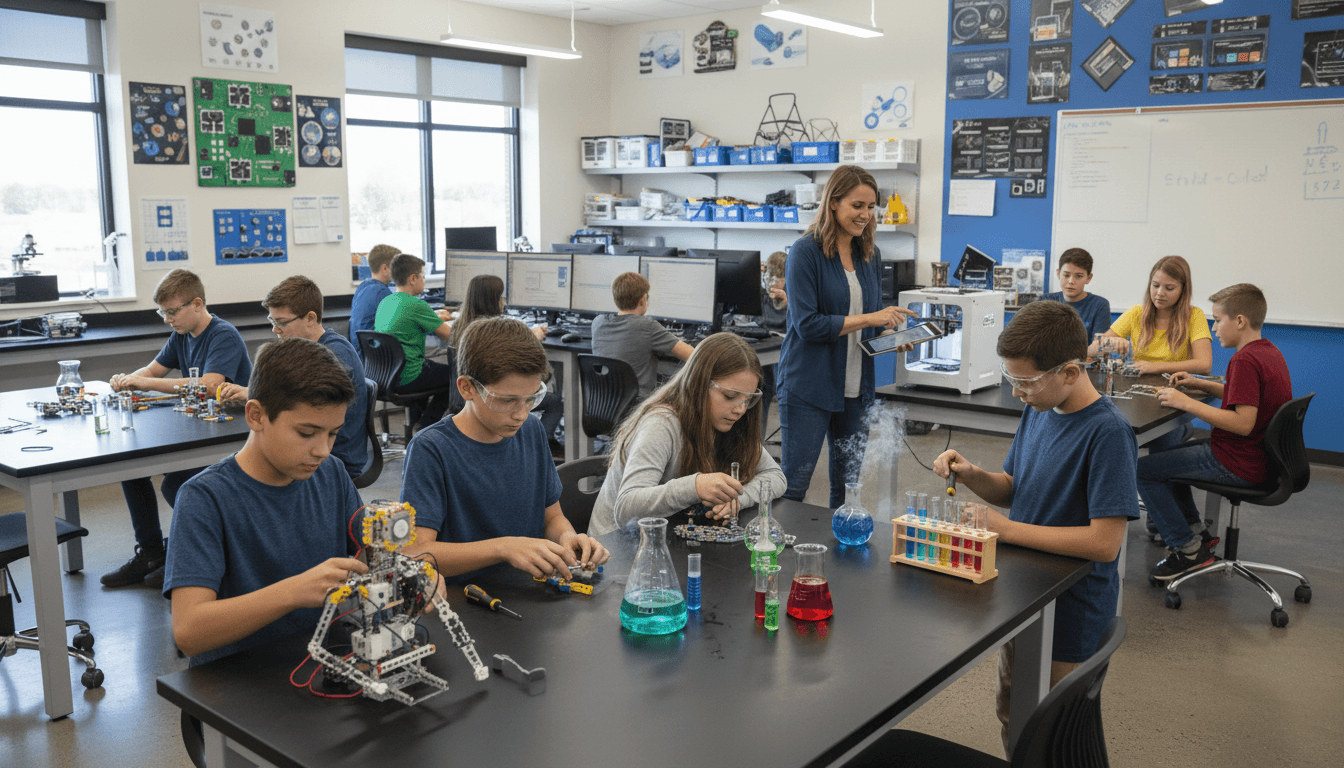
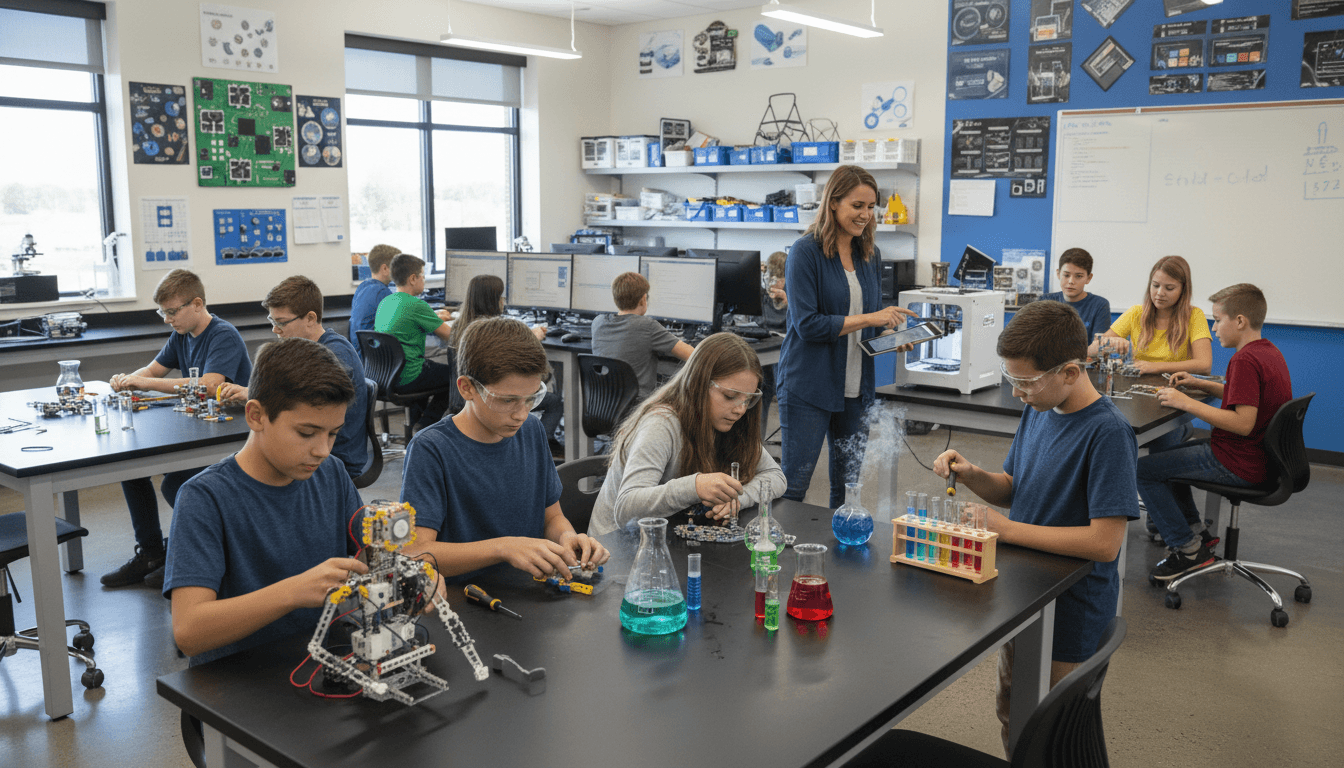
- What families will see. A specific description of the event format. Stations, demonstrations, student presentations, hands-on activities. This is not the time to be vague.
- What students are preparing. If students are presenting projects or leading demonstrations, tell families what their student is working on. Families who know what to look for when they arrive engage more meaningfully.
- Logistics. Whether food will be available, how long the event runs, whether siblings are welcome, whether there is a cost for activities.
- RSVP or sign-up link. Even an informal headcount helps with planning.
The one-week reminder: brief and direct
This newsletter is short. It confirms the date, time, and location, shares one specific thing families will get to do or see, and includes any logistics update (parking changes, new activities added, weather plan if the event is partially outdoor). Under two hundred words.
Preparing students to present
STEM Night presentations are most compelling when students can explain their work to someone who knows nothing about it. Send students a brief guide: explain what you made or investigated, why you made or investigated it, what happened, and what you would do differently next time. Those four prompts produce a real conversation with any family visitor.
The post-event newsletter
Send a recap newsletter within two days of STEM Night. Thank families for attending. Share one or two moments from the evening. Connect the event to what comes next in the school year. Post-event newsletters have the highest open rates of anything you will send. A photo or two from the event makes them even more effective.
Get one newsletter idea every week.
Free. For teachers. No spam.
Frequently asked questions
When should a STEM Night newsletter go out to families?
Send the first newsletter four weeks before the event and a reminder newsletter one week before. STEM Night is an evening event that requires families to rearrange their schedules, and a single announcement the week before is not enough. Four-week advance notice, followed by a reminder, drives significantly better attendance than a single late notice.
What should the STEM Night newsletter include?
Date, time, and location. What families will see and do when they arrive. How students are preparing and what role they will play. What stations or activities will be available. Whether food will be served. How long the event runs. And a specific call to action: RSVP, volunteer sign-up, or simply 'plan to come.' Every logistical question answered in advance increases attendance.
How do I explain what STEM Night is to families who have never attended?
Describe what they will experience when they walk through the door. 'When you arrive, you will find stations set up around the gym. At each station, students will demonstrate an experiment, explain a project, or invite you to try an activity. You can spend the whole night at one station or move through all of them. Most families stay about an hour.' That description makes it real.
What do STEM Night newsletters most often leave out?
What students need to prepare. If students are presenting projects, they need to know what to prepare and how to explain their work to a non-specialist audience. A brief student prep note in the family newsletter, along with a separate student-facing reminder, dramatically improves the quality of presentations on the night.
Can Daystage help track RSVP responses from a STEM Night newsletter?
Daystage handles the newsletter delivery and open rate tracking, which shows you whether your communication is reaching families. For RSVPs, most schools pair Daystage with a simple Google Form or SignUpGenius link embedded in the newsletter. The open rate data tells you if families are seeing the newsletter at all, which is useful if attendance is lower than expected.

Adi Ackerman
Author
Adi Ackerman is a former classroom teacher and curriculum writer with 8 years in K-8 schools. She writes about school communication, parent engagement, and what actually works in real classrooms.
More for STEM
Ready to send your first newsletter?
3 newsletters free. No credit card. First one ready in under 5 minutes.
Get started free