
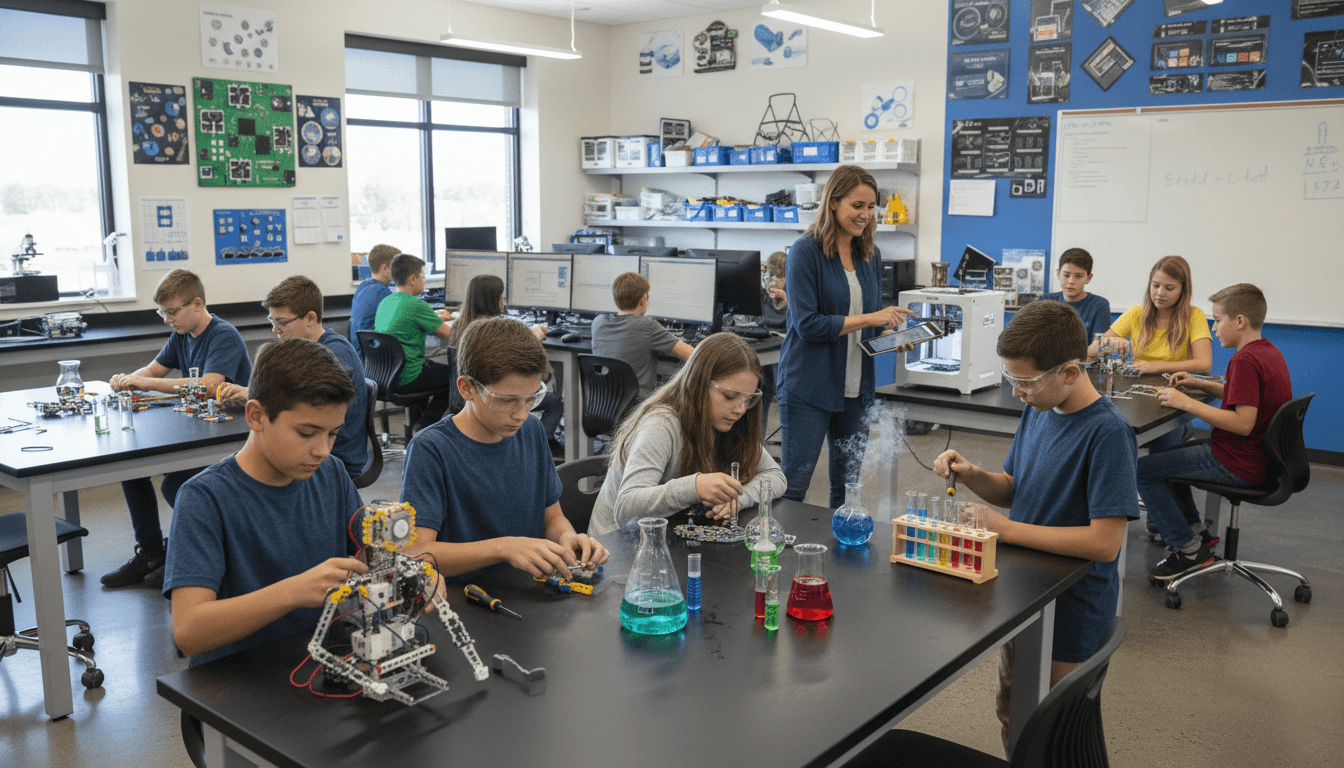
STEM Back-to-School Newsletter for K-12 Families
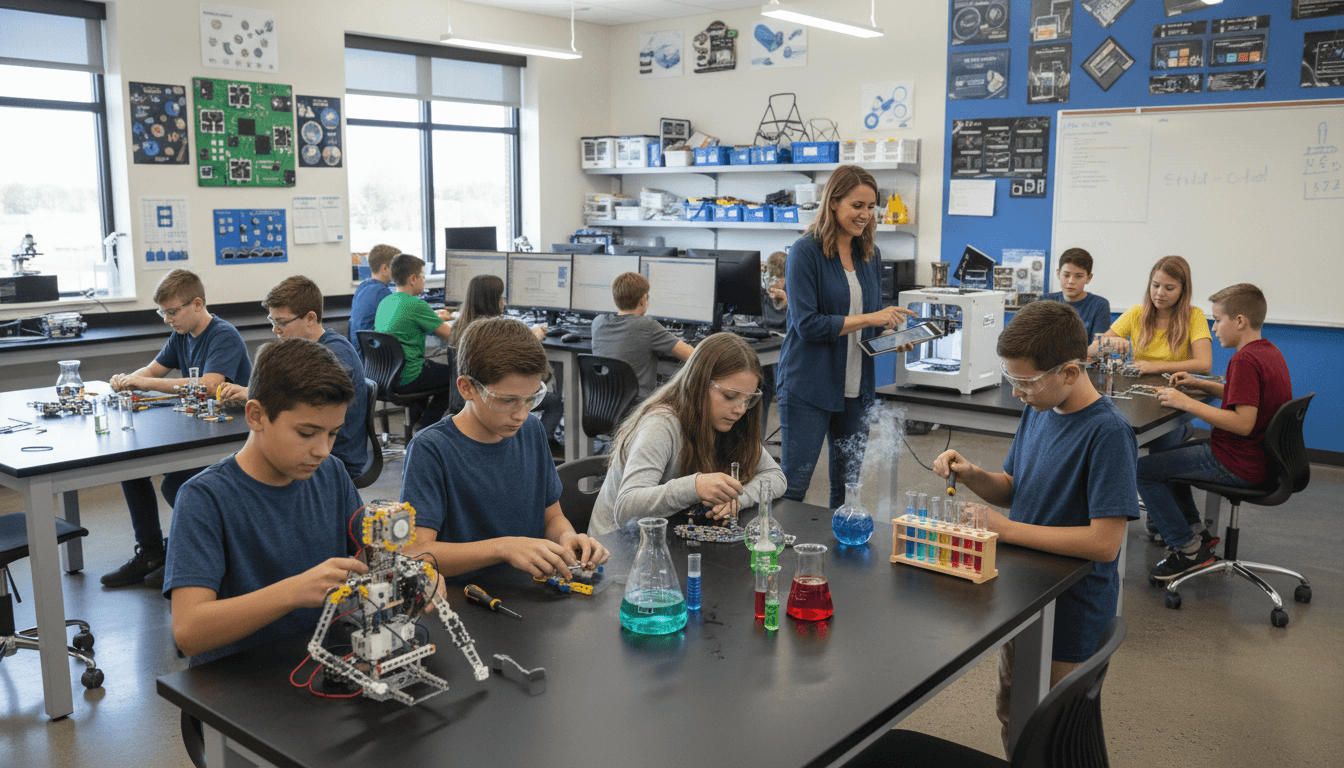
The back-to-school newsletter is the first real impression many STEM teachers make on the families of their students. It sets the tone for the year: whether this class will be mysterious or transparent, whether families are partners or bystanders, and whether the STEM teacher is the kind of educator who communicates early and often or only when something needs to be fixed.
Open with something genuinely exciting
Most back-to-school letters open with "Welcome to [grade level]! My name is [name] and I am excited to have your child in my class this year." That opening is so standard that families read through it without absorbing a word.
Open with the most interesting thing that will happen this year instead. "This spring, your child will build and program a robot that navigates a course of their own design. We start building in March. Between now and then, they will learn every skill they need to make that happen." That opening creates anticipation and gives families a mental anchor for the entire year of work that follows.
Describe the class structure honestly
STEM classes run differently from traditional academic classes. More group work. More time on single projects. Messier classrooms, sometimes literally. Assessments that look different from traditional tests. Parents who have not been in a STEM classroom recently may not know what to expect, and that gap creates friction.
Use your back-to-school newsletter to describe your class structure briefly but honestly. How much time is spent on direct instruction versus hands-on work? How are projects structured and graded? How do you handle lab safety? Families who understand the model are better able to support students and far less likely to be confused when their child comes home describing an experiment instead of a lecture.
Tell families what their child will need
Material requests come up frequently in STEM classes. Lab fees, specific calculators, safety goggles for personal use, composition notebooks for lab journals, and project materials all have financial implications for families. Getting this information into the back-to-school newsletter prevents surprises and gives families time to prepare.
If any materials are optional or available to borrow, say so. If there is financial support available for families who need it, name it specifically with instructions for how to request it. STEM should not be inaccessible to students based on material costs.
Introduce yourself as a real person, not just a credential
One meaningful paragraph about why you teach STEM, what drew you to your subject, or what you want students to leave your class knowing how to do is more trust-building than a list of degrees and certifications. Families want to know that their child's teacher is invested in what they teach and in who they teach it to.
"I became a biology teacher because a lab I did in ninth grade made me realize that the way to understand how living things work is to actually look at them, not just read about them. That experience is what I want your child to have this year." That paragraph tells families who they are dealing with.
Close with a clear invitation to stay in touch
Every back-to-school newsletter should end with an explicit, specific invitation for families to contact you. Not "my door is always open" but "my email is [address] and I check it each school day morning before 8am. If you have a question or concern at any point this year, please reach out directly."
That specificity signals that you mean the invitation, not just that you said it. And for STEM classes, where parents may be uncertain about the content and hesitant to ask questions, the invitation to contact you directly is the first step toward the partnership that makes the class work well for the whole year.
Get one newsletter idea every week.
Free. For teachers. No spam.
Frequently asked questions
What should a STEM back-to-school newsletter include?
Cover who you are and your background in STEM briefly, what the class will do over the year with one or two memorable examples of upcoming projects, what supplies or materials families should know about, classroom policies that affect families such as late work, lab safety rules, and parent volunteer opportunities, and how families can stay in contact with you throughout the year.
How do I make a back-to-school newsletter feel welcoming rather than bureaucratic?
Lead with something that excites the reader rather than something that informs them. A brief description of the most compelling project the class will do this year turns a back-to-school letter into an invitation. 'In April, students will design and build their own water filtration systems and test them with real water samples' is more engaging than a list of classroom policies.
How do I set expectations for STEM homework without discouraging families?
Be honest and specific about what homework in a STEM class typically looks like. If most work is done in class and homework is minimal, say so. If long-term project work goes home, explain the structure. Families who understand the rhythm of STEM work early in the year are more supportive when a major project lands on the kitchen table in November.
Should the back-to-school STEM newsletter mention specific curriculum or standards?
Reference them only if you can explain them in one plain sentence. 'This year covers the Next Generation Science Standards for sixth grade, which focus on life science, Earth systems, and using data to explain patterns in the natural world' is useful context. A list of standard codes with no explanation is not. Always translate standards into what students will actually be doing.
How does Daystage help STEM teachers send back-to-school newsletters?
Daystage lets STEM teachers create a newsletter template once and reuse it each year with updates, so the back-to-school communication goes out on time every year without starting from scratch.

Adi Ackerman
Author
Adi Ackerman is a former classroom teacher and curriculum writer with 8 years in K-8 schools. She writes about school communication, parent engagement, and what actually works in real classrooms.
More for STEM
Ready to send your first newsletter?
3 newsletters free. No credit card. First one ready in under 5 minutes.
Get started free