
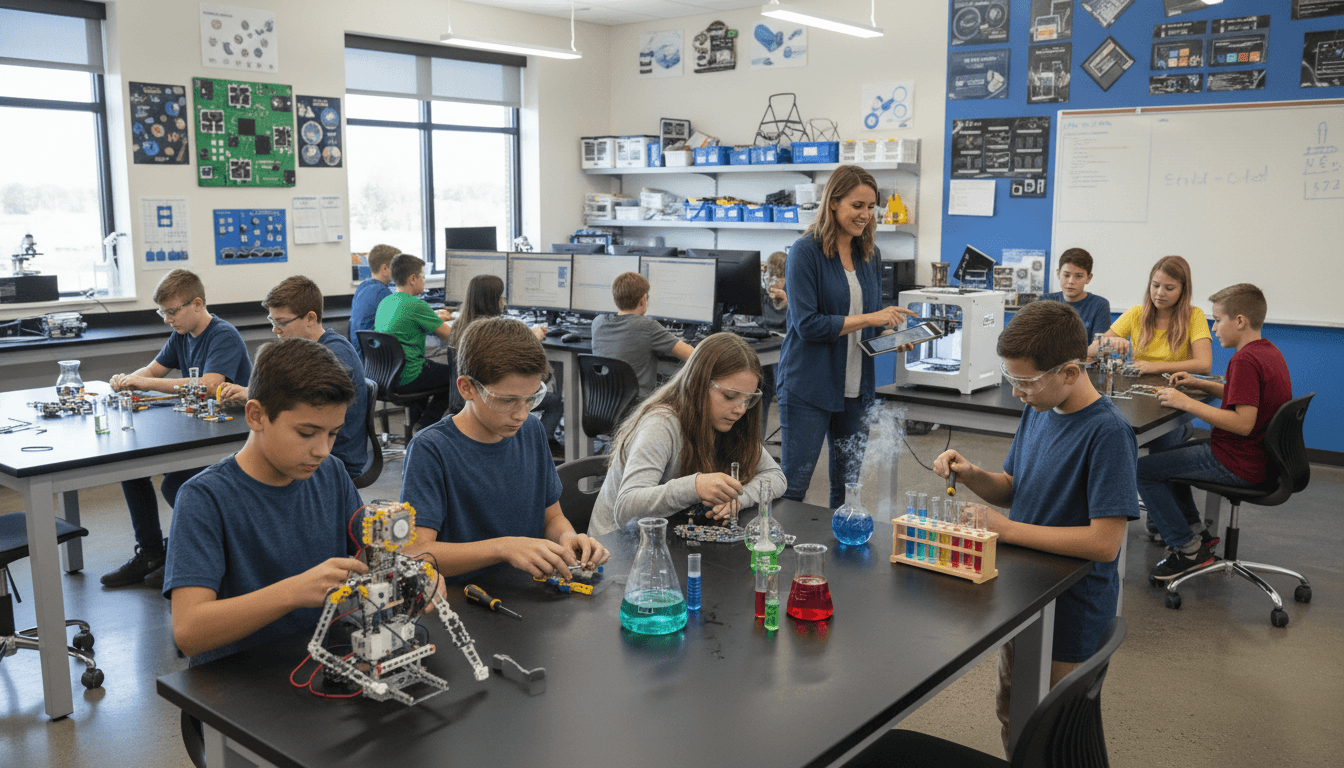
STEM After-School Program Newsletter for Families
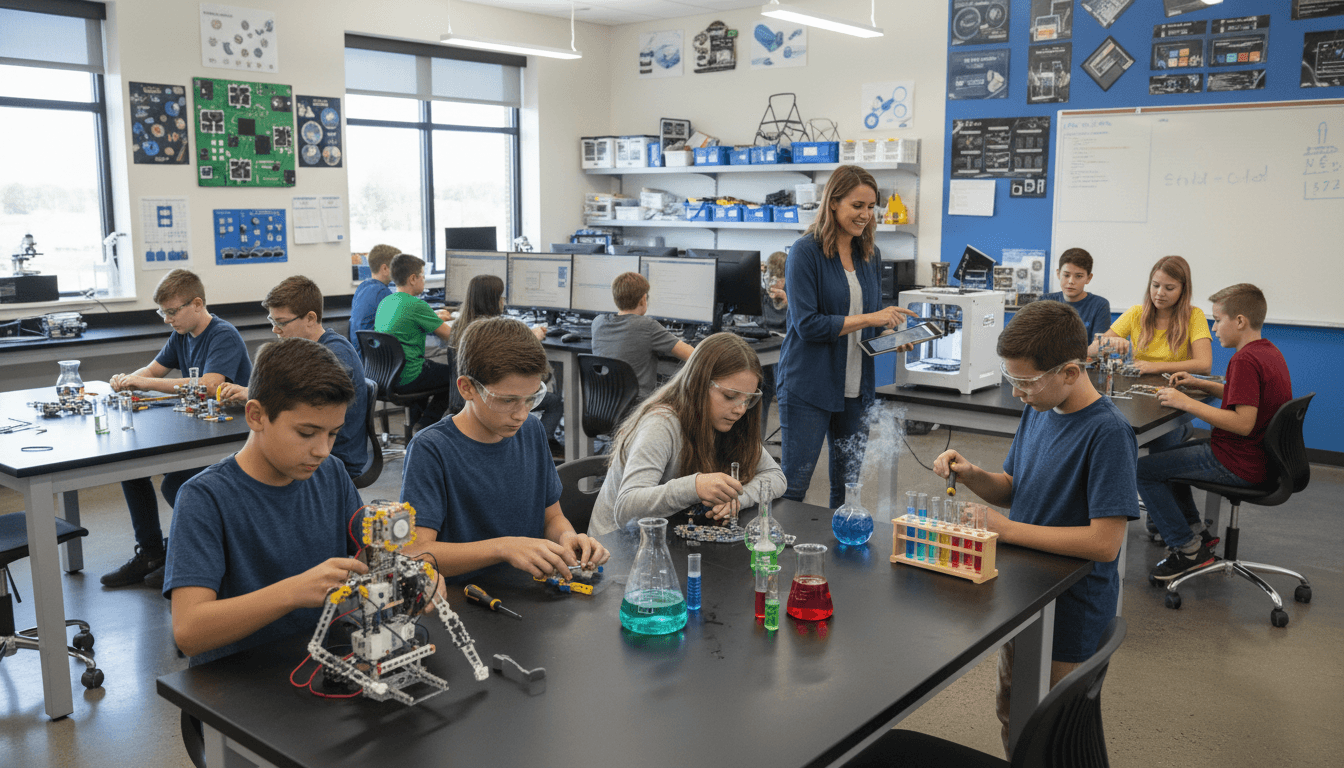
After-school STEM programs occupy a precarious position in students' schedules. They compete with sports, family obligations, homework loads, and the simple desire to rest after a full school day. A newsletter that makes the program feel worth attending on a Tuesday in November, when the first excitement has faded and the days are short, is one of the most important tools a coordinator has.
Tell families what happened this week, not just what is coming
Many after-school program newsletters focus primarily on logistics: what time pickup is, what students need to bring next week, what the schedule looks like. That information matters, but it does not build engagement. Families stay invested in programs that show them what their child is doing, not just when to pick them up.
Lead every newsletter with a brief description of what students worked on this session. "This week teams completed the structural testing phase of their bridge project. Three of four teams were surprised that the bridge that looked most elegant in design held significantly less weight than the more utilitarian one. The conversation that followed about engineering tradeoffs was one of the best we have had this year." That paragraph gives families a vivid picture that translates into a real conversation with their child.
Connect program activities to school performance
Families who see the after-school program as an extension of school, rather than separate from it, prioritize it differently. A newsletter that explicitly names the connection to school content and skills gives families a reason to treat the program as essential rather than optional.
"The data analysis students did this week mirrors exactly what they will do in their seventh-grade science unit in February. Students who complete this project typically find that unit significantly easier because they have already worked through the core concepts in a hands-on context." That kind of connection is genuinely valuable to families managing full schedules.
Mention individual student contributions without singling anyone out negatively
Families who read their child's name in a newsletter feel more connected to the program than families who receive generic updates. Use first names (with student and family consent) when describing specific contributions.
"Marcus had the idea this week to add a drainage channel to the hydrology model after watching a YouTube video about flood control systems at home. The team tested it and it worked. That kind of independent research between sessions is exactly what this program tries to develop." A brief recognition like that is meaningful to the family and to the student who reads the newsletter.
Build toward the showcase event from the beginning
After-school STEM programs that culminate in a showcase, presentation, or competition have a natural narrative arc that your newsletter can track from the first session. Families who have been following the project's development are far more likely to attend the final event and to prepare their child to present well.
Include a countdown or progress indicator in newsletters during the final weeks before a showcase. "Six sessions until the showcase. Here is where each team stands and what still needs to happen." That transparency builds engagement and gives students and families a shared understanding of what is left to do.
Thank volunteers and guest experts in every newsletter they appear
After-school STEM programs often depend on external volunteers, mentors, and guest speakers who give their time to work with students. Acknowledging these contributions in the newsletter serves two purposes: it thanks the volunteers publicly, which encourages future engagement, and it shows families the quality of the program's professional connections.
"This week we were joined by a structural engineer from [company] who reviewed students' bridge designs and gave the same feedback she would give to a junior engineer on her team. Students handled the professional critique better than I expected and several of them have already revised their plans." That kind of acknowledgment elevates both the volunteer and the program.
Get one newsletter idea every week.
Free. For teachers. No spam.
Frequently asked questions
What should a STEM after-school program newsletter include?
Cover what students are currently working on, upcoming events or showcase dates, attendance and participation expectations, transportation and pickup logistics, any materials students should bring, and how families can support the work at home. Also include a regular section that connects the program's activities to specific skills and how they relate to school performance and future opportunities.
How do I build consistent attendance for an after-school STEM program?
Consistent attendance follows consistent communication. Families who receive regular updates about what is happening in the program, what their child specifically contributed, and what is coming up are far more likely to prioritize attendance than families who only receive reminder texts about logistics. The newsletter builds the narrative that makes showing up feel worth it.
How do I communicate the value of an after-school STEM program to families who see it as optional?
Be specific about what students gain beyond what the school day provides: more time with hands-on projects, mentorship from professionals, competition experience, portfolio building, and the social experience of working with other STEM-interested students. Families who understand that the after-school program accelerates the school program see it as an extension, not an option.
How do I handle attendance drops mid-year in an after-school STEM program?
Use the newsletter to reinvigorate interest before a competition or showcase, introduce a new project phase, or share a story from a previous cohort about how the program affected a student's opportunities. Mid-year newsletters that remind families of upcoming culminating events typically reverse attendance declines. If a family needs to drop, a direct conversation is better than a newsletter-only approach.
How does Daystage help STEM after-school coordinators communicate with families?
Daystage lets after-school STEM coordinators send regular newsletters to their specific program family list without needing access to school-wide communication systems, keeping program communication targeted and consistent.

Adi Ackerman
Author
Adi Ackerman is a former classroom teacher and curriculum writer with 8 years in K-8 schools. She writes about school communication, parent engagement, and what actually works in real classrooms.
More for STEM
Ready to send your first newsletter?
3 newsletters free. No credit card. First one ready in under 5 minutes.
Get started free