
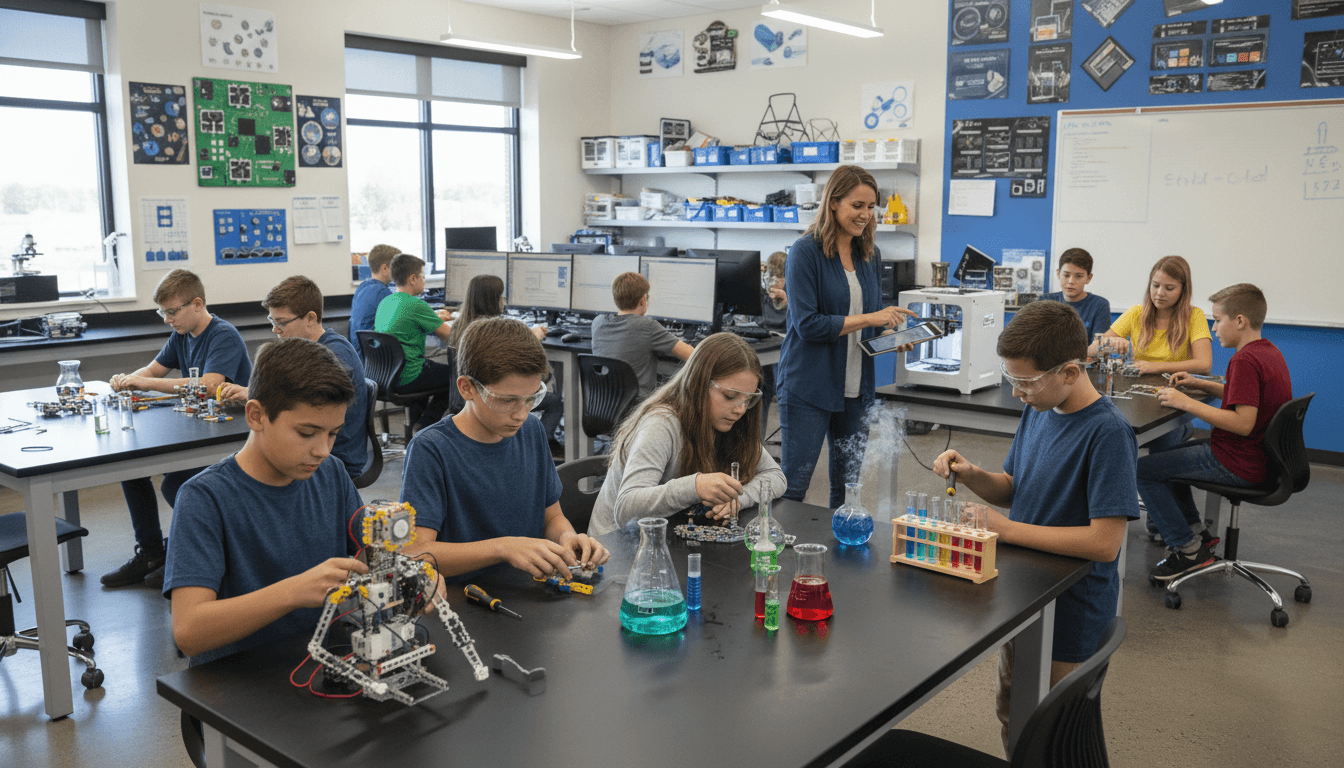
Statistics Class Newsletter for Parents
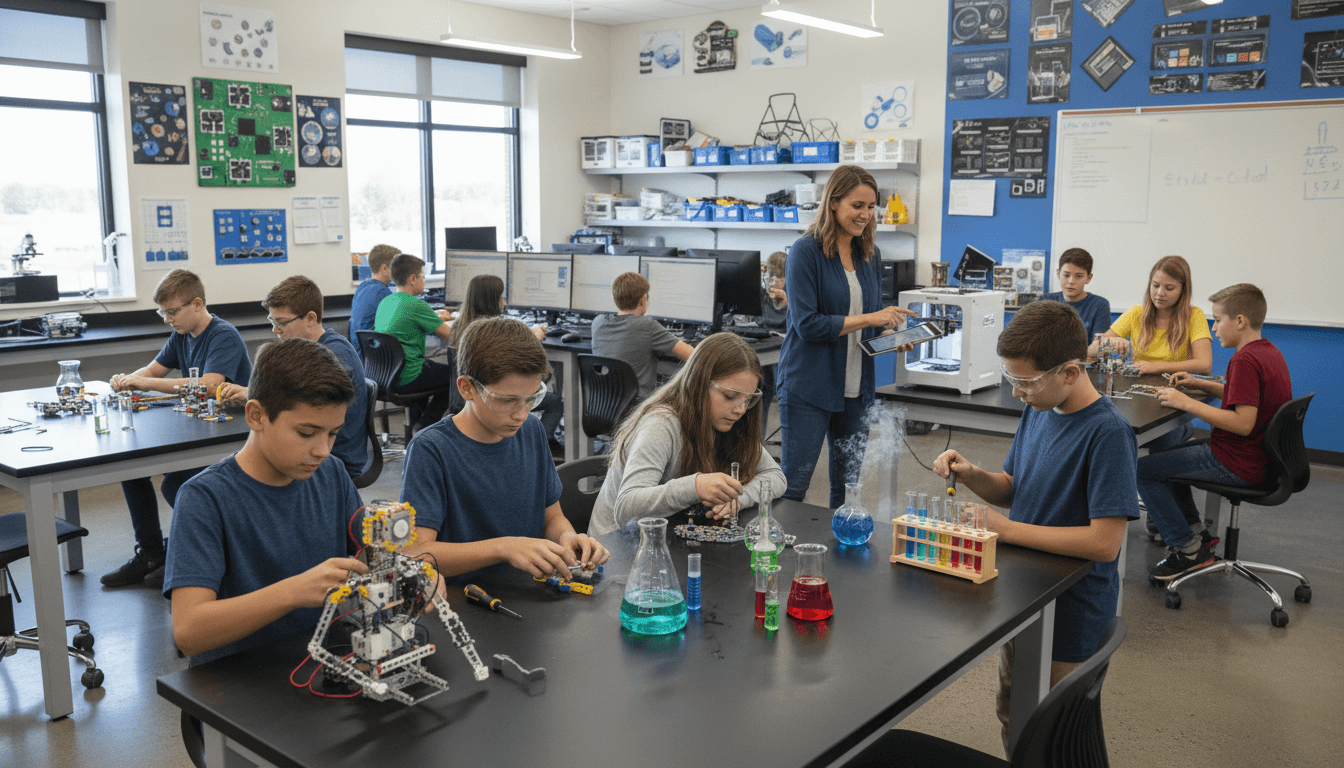
Statistics is one of the most practically useful courses a high school student can take, and one of the most misunderstood by families who expect it to be like other math classes. A newsletter that corrects that expectation early, and shows parents why the skills their child is building matter, creates more engaged and more supportive families for the rest of the year.
Frame statistics as a reasoning course, not just a math course
The biggest surprise for many statistics families is how much writing the course involves. Students do not just calculate; they interpret. They do not just find the answer; they explain why their answer is the right one given the data and acknowledge the limitations of their conclusion.
Your first newsletter can set this expectation directly: "Statistics is unusual among math courses because most assessments require written explanations alongside calculations. A student who gets the right number but cannot explain what it means will not score well. We spend a lot of time this year on communicating mathematical reasoning in plain language, which is one of the most transferable skills this course builds."
Connect the course to claims students and parents encounter every day
Statistics is one of the few high school subjects where the content is directly visible in adult daily life. Medical studies are statistics. Political polls are statistics. Product quality guarantees are statistics. Weather forecasts are statistics.
Every newsletter can include one concrete example from current events or daily life that illustrates a concept students are working on. "This week we discussed sampling bias. If you read any poll results in the news this week, ask your student what they would need to know about how the sample was selected before they trusted the findings." That suggestion is engaging for both the parent and the student.
Explain the projects clearly and what makes a good one
Statistics projects often involve designing a study, collecting data, analyzing it, and writing a report. Families who do not understand the structure of a statistics project sometimes try to help in ways that undermine the assignment, like finding data online instead of collecting it or writing the analysis for the student.
Describe each major project in enough detail that parents understand what is and is not appropriate help. "Students must design and conduct their own survey for this project. Families can help by being willing to be surveyed, by suggesting questions, or by asking about the student's research design. The analysis and write-up need to be the student's own work."
Address the "calculator does everything" misconception
Many statistics students arrive expecting that their calculator will do all the work. Parents who expect the same may not understand why their student needs to study beyond knowing which buttons to press. Your newsletter can address this head-on.
"Yes, calculators do the arithmetic in this course. What the calculator cannot do is choose the right test for the question, interpret what the output means, and explain the limitations of the conclusion. Those are the human skills we are developing, and they are what makes a statistics student valuable in any professional setting."
Give parents insight into how the AP exam rewards good thinking
The AP Statistics exam rewards statistical reasoning expressed clearly more than computational speed. A student who understands the logic behind a statistical test and can explain it in plain language will score better than a student who has memorized procedures without understanding them.
This means that the best preparation for the exam, and the best thing families can do at home, is to encourage students to talk through their reasoning. "Can you explain to me what this test is checking and why it tells us something useful?" A parent who asks that question regularly is doing exactly what the AP exam rewards.
Get one newsletter idea every week.
Free. For teachers. No spam.
Frequently asked questions
What is the core skill a statistics course builds and how do I communicate it to parents?
Statistics teaches students to make good decisions under uncertainty. Tell parents: 'Statistics is the skill behind reading a poll, understanding a medical trial, evaluating a business decision, or judging whether a research finding is trustworthy. Your student is learning to ask the right questions about data rather than just accepting numbers at face value.' That description makes the course relevant to adults of any background.
How is statistics different from a math course for parents who are comparing them?
Statistics involves much more language and reasoning than most math courses. Students write interpretations, construct arguments, and evaluate the validity of conclusions. Correct answers in statistics often require both the right calculation and the right explanation of what that calculation means. Parents who expect their student to have homework that looks like algebra equations will be surprised by the writing component.
What does an AP Statistics exam require and what should families know about it?
The AP Statistics exam is half multiple-choice and half free-response. The free-response section requires written explanations that are graded on precision of statistical reasoning, not just correct numbers. Students who practice writing their reasoning clearly throughout the year perform significantly better on the exam than students who focus only on calculations.
How can parents help a statistics student at home without knowing statistics?
Statistics students benefit from thinking partners who ask good questions. Ask your student: 'What is this graph saying? How did they collect this data? Could there be a different explanation for this result?' These questions require no statistical knowledge and build exactly the reasoning habits the course is trying to develop.
How does Daystage support statistics teachers in communicating with families?
Daystage helps statistics teachers send consistent newsletters that make an often misunderstood course visible to families, building support for the work throughout the year.

Adi Ackerman
Author
Adi Ackerman is a former classroom teacher and curriculum writer with 8 years in K-8 schools. She writes about school communication, parent engagement, and what actually works in real classrooms.
More for STEM
Ready to send your first newsletter?
3 newsletters free. No credit card. First one ready in under 5 minutes.
Get started free