
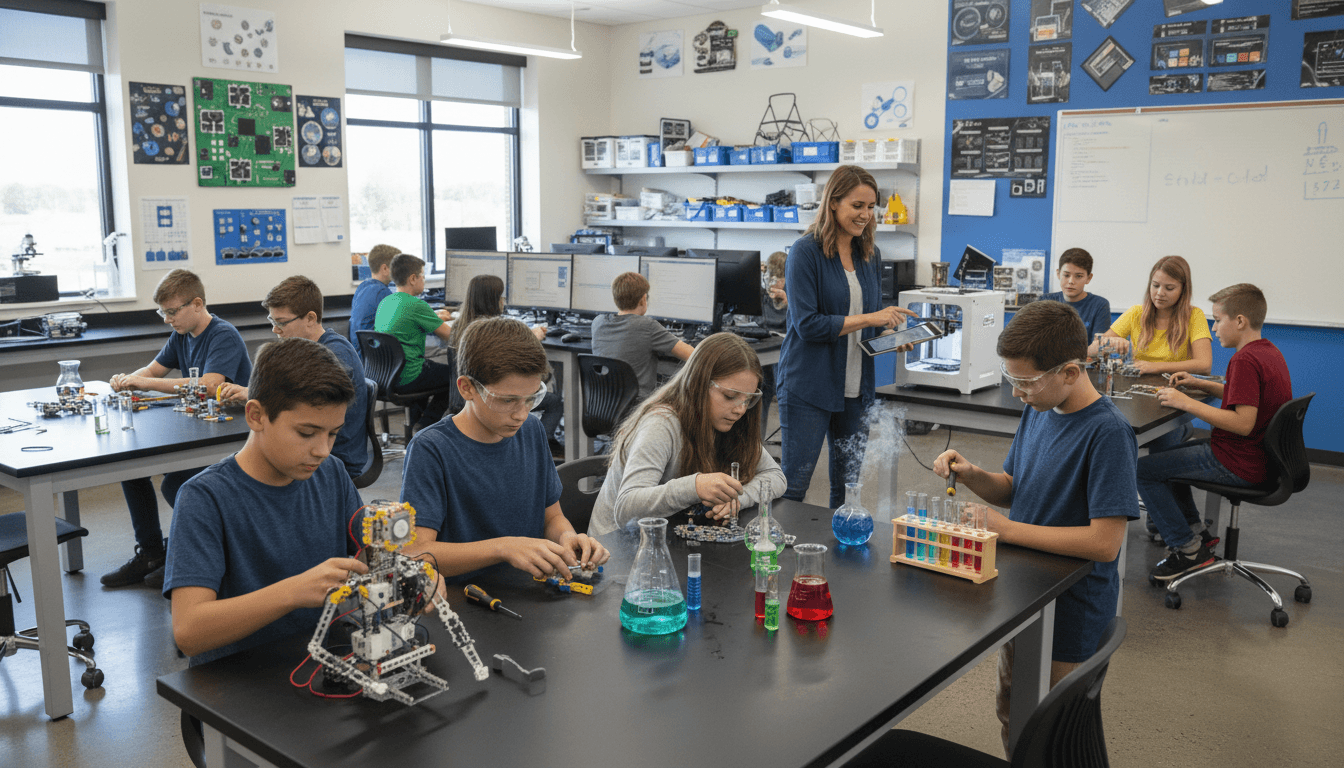
Science Olympiad Newsletter for Parents
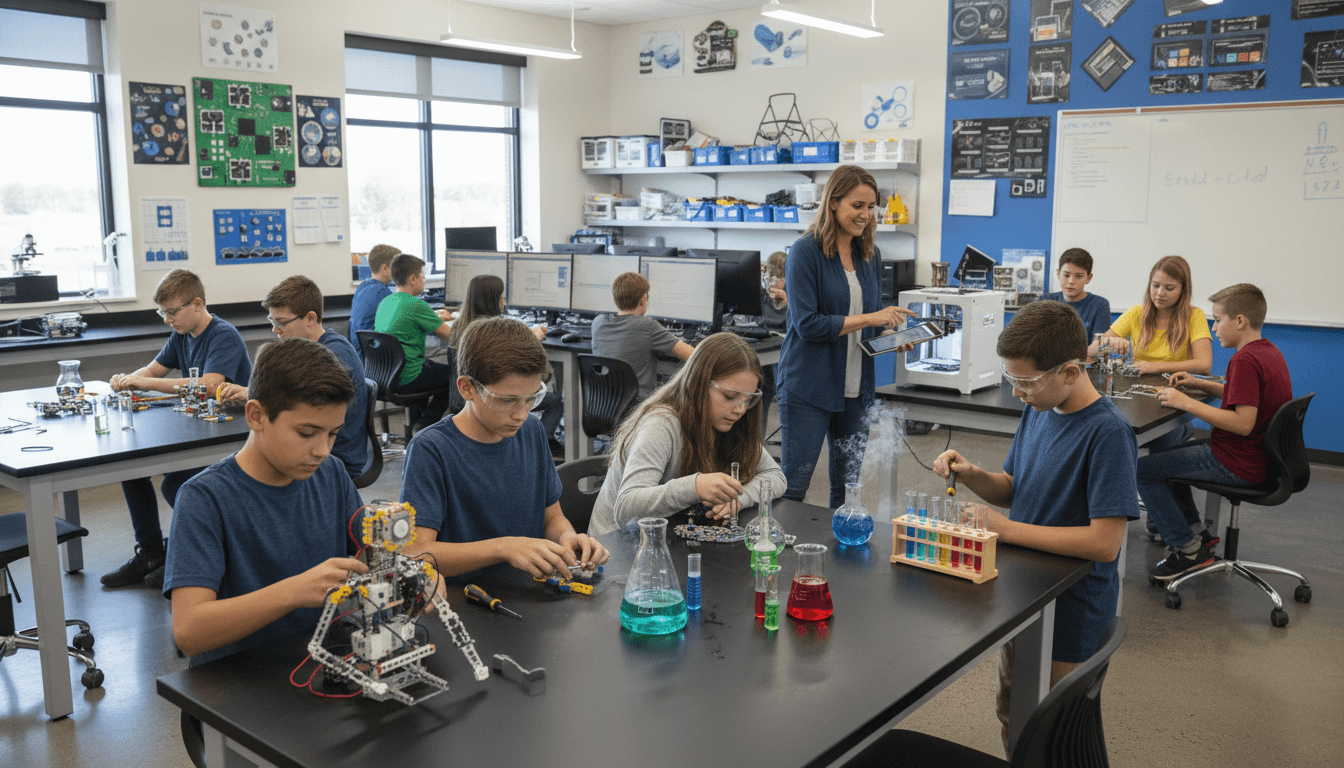
Science Olympiad families are a special group: they signed their student up for a major time commitment in a program that most adults have never heard of, with rules that cover 23 separate events and change every year. A newsletter that helps them understand what they are supporting, what is being asked of their student, and what makes this program worth the investment turns skeptical families into committed ones.
Open the season with a thorough orientation newsletter
The first newsletter of the year for Science Olympiad should be more comprehensive than most. Families need to understand the structure of the competition, the roles students will take on, the time commitment involved, and what materials and costs to expect before the season is underway.
Include a schedule of practices and competitions. Describe how events are assigned. Explain what "device events" versus "study events" involve. Note the first competition date and what transportation will look like. Families who have this information in September make better decisions about scheduling and commitment than families who get surprised by each new requirement as it arrives.
Explain the 23-event structure without overwhelming families
Twenty-three events covering almost every branch of science is more information than any newsletter should try to cover at once. Instead of listing all 23 events, describe the categories: "Some events test scientific knowledge, some require building a device that performs a specific task, and some are lab practicals where students must identify specimens or perform measurements in real time."
Then focus on the specific events your students are preparing for. "Our team this year is covering Anatomy, Ecology, Experimental Design, Trajectory, and Scrambler, among others. Students are paired based on their science strengths and interests. Here is who is working on each event." That specific information is what families actually want to know.
Report on practice sessions with specific progress updates
Science Olympiad parents who do not see what happens in practice often develop anxiety about whether their student is prepared. A brief practice update in each newsletter, describing what was worked on and what is still being developed, reduces that anxiety and keeps families accurately informed.
"This week the Trajectory team tested their projectile launcher three times. The first two runs were inconsistent due to a design flaw in the base. By the end of practice, they had identified the issue and are rebuilding that component for next week. This is normal and on schedule for a first-round invitational in four weeks." That update tells families exactly where the team is and why the current state is not a cause for concern.
Describe competition day logistics clearly
Competition days are long, busy, and unfamiliar to most families who have not attended a Science Olympiad invitational. A pre-competition newsletter that describes what the day involves, where families can watch or wait, and what students should bring reduces first-competition anxiety for everyone.
"Families are welcome to attend invitational competitions but should be prepared for a long day. Students will be in events from 8am to 4pm. There is a spectator area and a closing ceremony with awards. Students should pack a lunch and snacks. Wear comfortable shoes." That paragraph is more useful than any amount of inspirational language about the competition season.
Celebrate the season's arc, not just the final placement
Science Olympiad is a long season with many setbacks, breakthroughs, and memorable moments before a single final competition. A newsletter that follows the season narrative, from the early scramble to understand new rules to the final refinements before regionals, builds investment in the process rather than just the outcome.
Post-competition newsletters should describe both the results and the context. "We placed 5th out of 18 teams in our invitational, which is our best invitational result in four years. The highest individual event scores were in Anatomy and Ecology. The events with the most room to improve before regionals are Trajectory and Scrambler. We have seven weeks. Here is what we are focusing on." That newsletter gives families a real picture of where the team stands and a reason to stay engaged.
Get one newsletter idea every week.
Free. For teachers. No spam.
Frequently asked questions
What is Science Olympiad and how do I explain it to families who are not familiar with it?
Science Olympiad is a national STEM competition where teams of fifteen students compete in 23 different events covering biology, chemistry, physics, earth science, and engineering. Events range from knowledge tests to hands-on device-building to lab practicals. Students typically specialize in two to four events. The team's combined score across all events determines placement. It is one of the most rigorous and comprehensive STEM competitions available at the middle and high school levels.
How much time does Science Olympiad require from students and families?
Most Science Olympiad teams practice two to three times per week from September through the invitational and regional seasons, which run January through April. Device-building events require significant out-of-school time for construction and testing. Families should expect their student to spend 5 to 10 hours per week on Olympiad-related work during the competition season. Competition days require transportation and a full day at the competition site.
What materials do Science Olympiad students need from families?
Device-building events often require raw materials: balsa wood, aluminum foil, specific grades of wire, or other specified components. Each event has a materials list published in the rules. Coaches typically provide the most specialized materials, but families may be asked to contribute common household items or purchase inexpensive supplies. Your newsletter should be specific about what each student needs well in advance of any construction phase.
How do families support their student's Science Olympiad preparation most effectively?
For knowledge events, families can quiz students using flashcards, help them find high-quality study resources, and provide quiet study time. For device events, families can provide workspace and help source materials. The most important support any family provides is consistent encouragement during the frustrating periods when a device is not working or a concept is not clicking. Progress in Science Olympiad is nonlinear.
How does Daystage help Science Olympiad coaches communicate with families?
Daystage lets Science Olympiad coaches send season updates, material requests, competition schedules, and results to their team family list throughout the season, keeping all families informed without managing separate emails for each communication.

Adi Ackerman
Author
Adi Ackerman is a former classroom teacher and curriculum writer with 8 years in K-8 schools. She writes about school communication, parent engagement, and what actually works in real classrooms.
More for STEM
Ready to send your first newsletter?
3 newsletters free. No credit card. First one ready in under 5 minutes.
Get started free