
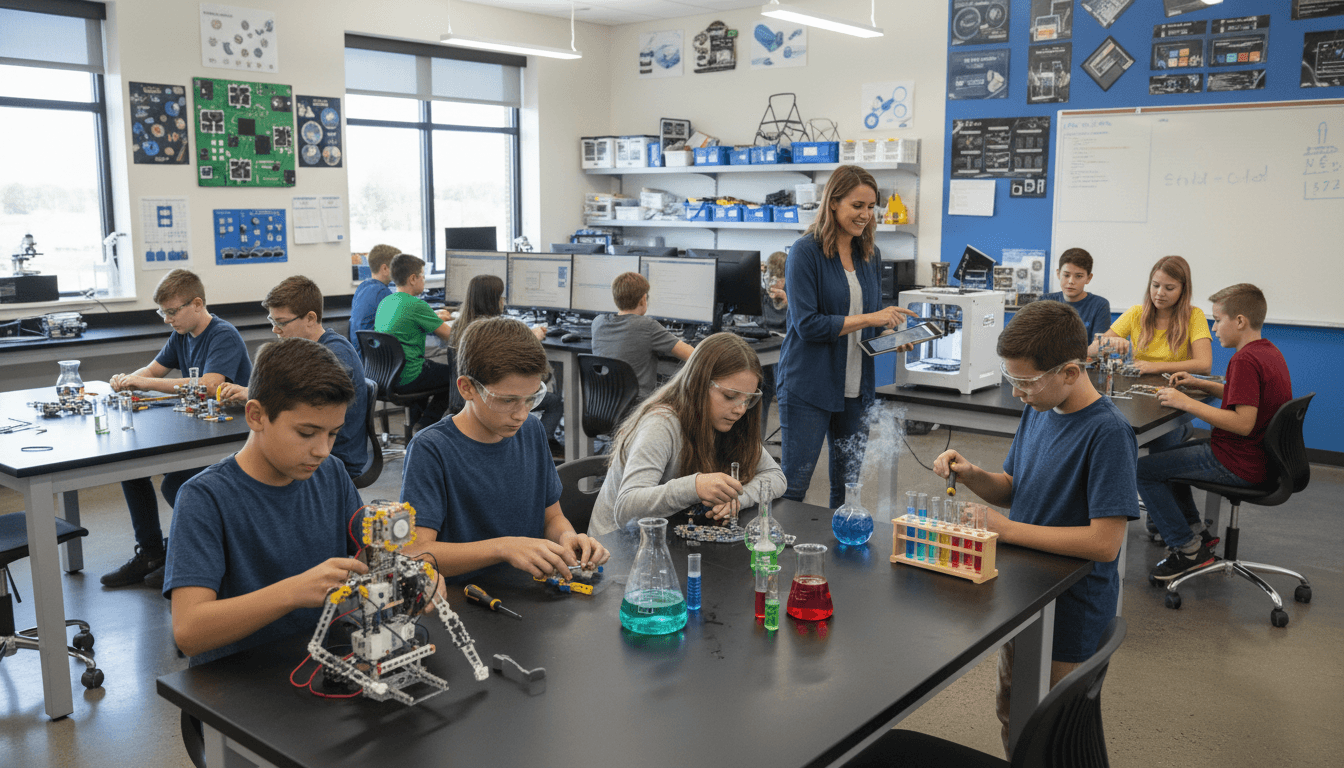
High School Chemistry Teacher Newsletter for Parents
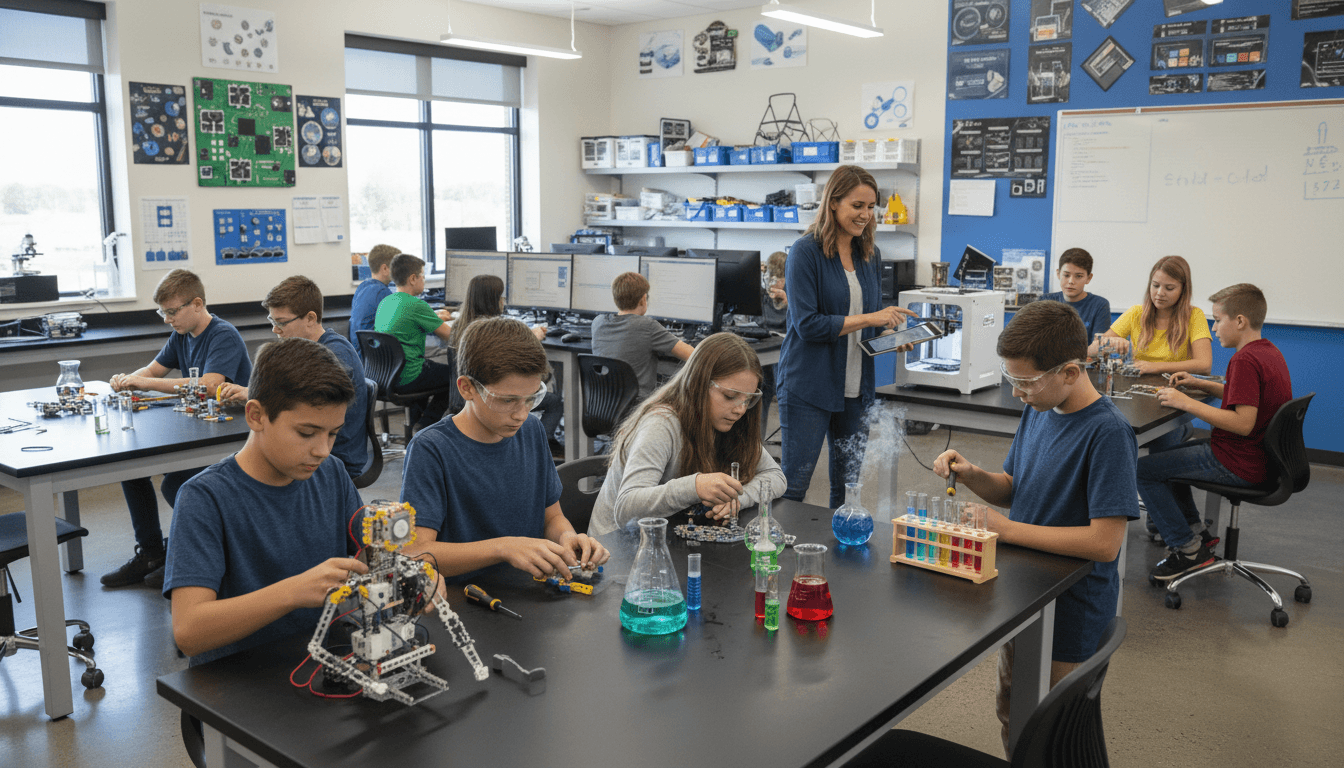
Chemistry is the class parents most often hear about secondhand, in the form of enthusiastic (and sometimes alarming) descriptions of lab work. A chemistry teacher newsletter gives families the actual context before their student's account reaches them. It also explains the connection between what may look like abstract symbol-pushing and real phenomena families observe every day.
The lab description section
Every chemistry newsletter should include a brief description of any major labs planned for the month. This is not a safety disclaimer. It is an educational explanation that makes the lab feel exciting rather than alarming.
"Students will be performing a flame test lab this month. Different metal salts produce different colors when heated in a flame, which is how fireworks get their colors. Students will use this to identify unknown metal samples." That description converts a lab procedure into something families are interested in, and it answers the question your student will face at dinner: "What did you do in chemistry today?"
Lab safety: say it plainly
Chemistry labs occasionally involve materials that students will mention at home in a way that concerns parents. Be direct in your newsletter. "We are working with dilute hydrochloric acid in a supervised lab setting. All students have reviewed and signed the lab safety agreement, goggles and gloves are required throughout, and I supervise closely." That paragraph is more reassuring than a general note that safety is "always a priority."
Connecting chemistry to everyday life
Chemistry is everywhere in daily life, and pointing that out in your newsletter makes the subject feel relevant rather than abstract. Each newsletter should include one connection:
- Studying acids and bases? "Every cleaning product in your home is either acidic or basic. Vinegar and bleach should never be mixed because the acid-base reaction produces chlorine gas. That is the same chemistry we are studying."
- Studying thermodynamics? "Hand warmers and cold packs both work through chemical reactions that either release or absorb heat."
- Studying polymers? "Every plastic container in your kitchen is a polymer. The number in the recycling symbol tells you which type."
One connection per newsletter is enough. More than one starts to feel like a list rather than a genuine insight.
Assessment communication
Chemistry moves through material quickly, and high school parents appreciate advance notice of assessments. Include the date, what content is covered, and whether there is a formula sheet provided. Many parents of high school students take an active interest in helping their child prepare, but they need to know what the test covers to do that effectively.
For AP Chemistry specifically, include the AP exam date in every newsletter from October through May. AP parents track this date.
What to skip in a chemistry newsletter
Skip stoichiometry formulas and reaction equations. Most parents cannot read them and including them signals that the newsletter was written for students, not families. Describe concepts in words and save the notation for class.
Also skip the extensive safety disclaimer that reads like a legal document. Two sentences of plain safety communication accomplish more than a paragraph of precautionary language.
Get one newsletter idea every week.
Free. For teachers. No spam.
Frequently asked questions
How often should a chemistry teacher send newsletters to parents?
Monthly is sufficient for most chemistry classes. Before major lab weeks, AP exams, or standardized chemistry assessments, send an additional newsletter so families know what to expect. Chemistry labs sometimes involve equipment and procedures that parents hear about from their student and may misunderstand without context.
What should a high school chemistry newsletter include?
The current unit with one real-world connection, a brief description of any major labs happening this month, upcoming assessments with what they cover, lab safety protocols if you are doing anything that students might describe dramatically at home, and one everyday chemistry phenomenon families can notice on their own.
How do I explain chemistry concepts to parents who never took a chemistry course?
Start with the observable phenomenon, then explain the underlying mechanism. 'When you cook an egg, the proteins in the white change structure permanently and cannot return to their original form. That is the same type of chemical reaction we are studying this month: changes that cannot be reversed.' Observable first, chemistry second.
How do I handle parent concerns about lab safety?
Get ahead of it in your newsletter before it becomes a concern. A brief safety note in any newsletter that covers lab week reads something like: 'Students will be working with dilute acid solutions in a supervised lab. All safety equipment is in place and we review all protocols with students before any lab begins.' Matter-of-fact and specific is more reassuring than vague.
What tool helps chemistry teachers manage newsletters alongside intensive lab planning?
Daystage is fast enough that it fits into a chemistry teacher's prep time. You build the template once, update the unit summary and lab description each month, and send it. The structure does not change. The content does. Most chemistry teachers using it spend about fifteen minutes per newsletter.

Adi Ackerman
Author
Adi Ackerman is a former classroom teacher and curriculum writer with 8 years in K-8 schools. She writes about school communication, parent engagement, and what actually works in real classrooms.
More for STEM
Ready to send your first newsletter?
3 newsletters free. No credit card. First one ready in under 5 minutes.
Get started free