

Special Education Annual Review Newsletter for Families
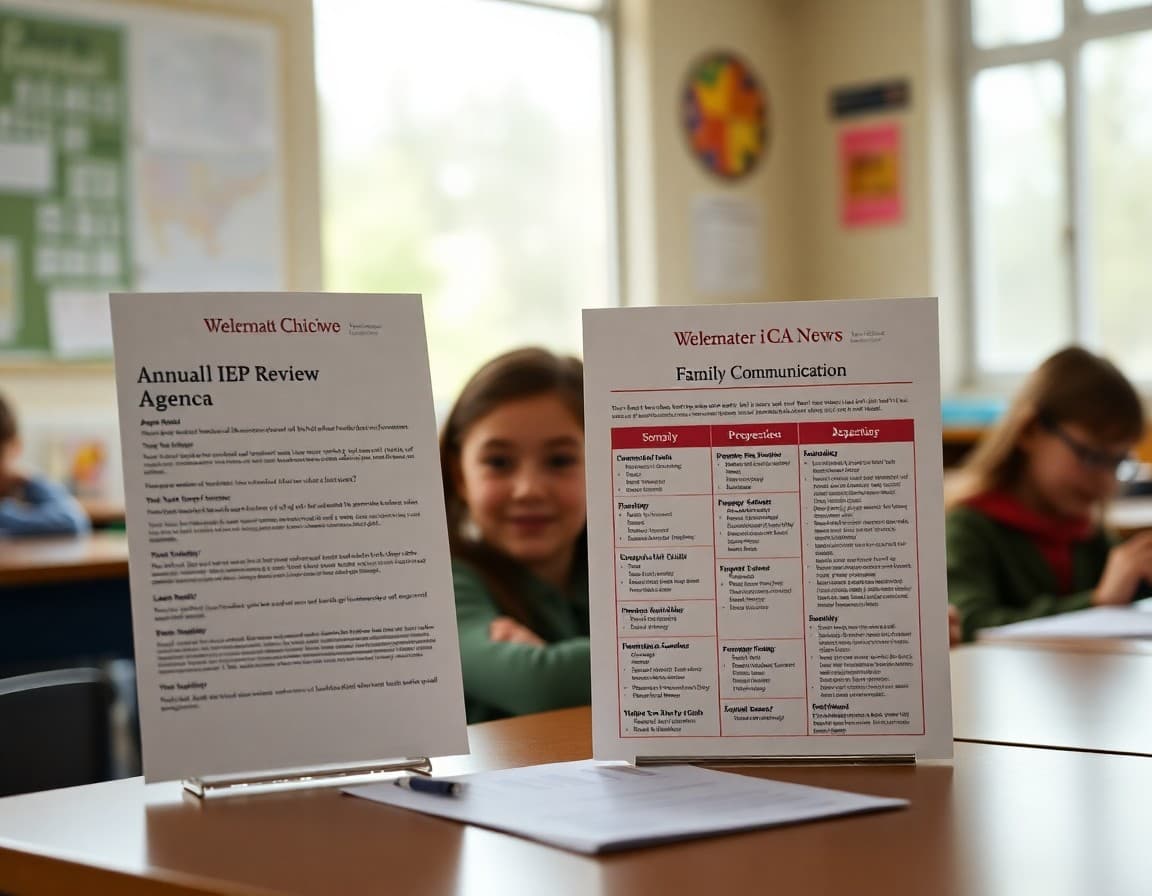
The IEP annual review is one of the most important meetings a family of a student with a disability attends each year. A newsletter that prepares families for what to expect at this meeting transforms passive document signers into genuine participants in their child's education planning.
What the Annual Review Is For
Under IDEA, every IEP must be reviewed at least annually. The review looks back at the past year's progress, evaluates whether goals were met or need revision, and looks forward to develop new goals and services for the coming year. It is also an opportunity to assess whether the current placement and level of services remain appropriate as the student grows and changes.
Annual reviews are not formalities. They are legal planning meetings where real decisions about a child's educational program are made. Families who arrive understanding this treat the meeting accordingly.
What Families Should Review Before the Meeting
A pre-review newsletter can tell families exactly what to review in preparation. "Before your child's annual review, take some time to look at: the current IEP document, especially the annual goals and the services listed; any progress reports sent home during the year; your own observations of your child's progress and any areas of ongoing concern; and any questions you have developed from reviewing those documents."
Families who arrive with their prior IEP document and specific observations from home ask better questions and advocate more effectively than families who arrive without preparation.
Template: Pre-Annual Review Newsletter
"Hello, families. Annual IEP review season is approaching. For students whose IEP anniversaries fall between [dates], you will be receiving scheduling correspondence soon.
Here is what happens at an annual review: we will review your child's progress toward their current IEP goals, discuss what worked well and what needs to be adjusted, develop new annual goals for next year, review services and placement to make sure they still fit your child's needs, and sign a new IEP document together.
To prepare: review your child's most recent IEP and any progress reports you have received. Write down any questions or concerns you want to address. You are welcome to bring a family member or advocate to support you. If you would like a copy of your child's current progress data before the meeting, please contact me at [email].
Your participation matters. The IEP reflects your child's whole life, not just what happens at school. Your input shapes what we prioritize for the coming year."
Common Family Questions at Annual Reviews
Families often arrive at annual reviews with questions they feel uncertain about asking. A newsletter that normalizes these questions makes the meeting more productive. "Common questions at annual reviews include: Did my child meet their goals? What does not meeting a goal mean? What will be different next year? Can we add a goal for something I am worried about? Is this placement still the right fit? What can I do at home to support these goals?"
None of those questions is inappropriate. All of them deserve thoughtful answers. A family that knows in advance that these questions are normal and welcome arrives in a collaborative mindset.
After the Annual Review: What Happens Next
After a review meeting, the new IEP document must be finalized and provided to the family. Services described in the new IEP must begin within a reasonable time after the signing date. A newsletter follow-up after the review season is a good practice: "If your child had their annual review in [month], please review the new IEP document when you receive it. If you have questions about any part of it or feel something was left out of the discussion, please contact me within 30 days of the meeting."
Get one newsletter idea every week.
Free. For teachers. No spam.
Frequently asked questions
What happens at an IEP annual review meeting?
At an annual review, the IEP team reviews the student's progress toward current goals, discusses whether goals were met or need to be revised, develops new annual goals for the coming year, reviews and revises the student's services and placement, considers any changes in evaluations or assessments, and documents decisions in a new or revised IEP document. Parents must be meaningfully involved in all of these decisions and must provide informed consent for any changes to placement or services.
How much notice should families receive before an annual review?
IDEA requires that schools provide parents with written notice of IEP team meetings early enough to ensure a reasonable opportunity to attend. Most districts give at least 10 days notice. Best practice is two to three weeks, which gives families time to arrange their schedule, prepare questions, and review any pre-meeting documents the school provides. A newsletter sent during annual review season can help families understand the purpose of the meetings they are being scheduled for.
What questions should families bring to an annual review?
Families should come prepared to discuss: what progress has the student made toward current goals and what data supports that, what goals are proposed for next year and why, is the current placement still appropriate, are there changes in services or the schedule being proposed, and what does the team project for the student's trajectory over the next year. A pre-meeting newsletter that suggests these questions helps families arrive as prepared participants.
Can families request changes at the annual review?
Yes. Families are equal members of the IEP team and can propose changes to goals, services, placement, accommodations, or any other element of the IEP. The team must consider parent input. If the school disagrees with a parent's proposed change, they must provide a prior written notice explaining the decision and the alternatives considered. Families can also request an IEP team meeting outside the annual review if they believe something needs to change sooner.
What role does Daystage play in communicating about annual reviews?
Daystage newsletters are useful for the pre-meeting communication that prepares families for what to expect at their child's annual review. A newsletter sent three to four weeks before annual review season begins can explain the purpose of annual reviews, what families should bring and expect, and how to prepare questions. This kind of proactive communication significantly improves the quality of family participation at the actual meeting.

Adi Ackerman
Author
Adi Ackerman is a former classroom teacher and curriculum writer with 8 years in K-8 schools. She writes about school communication, parent engagement, and what actually works in real classrooms.
More for Special Education
Ready to send your first newsletter?
3 newsletters free. No credit card. First one ready in under 5 minutes.
Get started free