
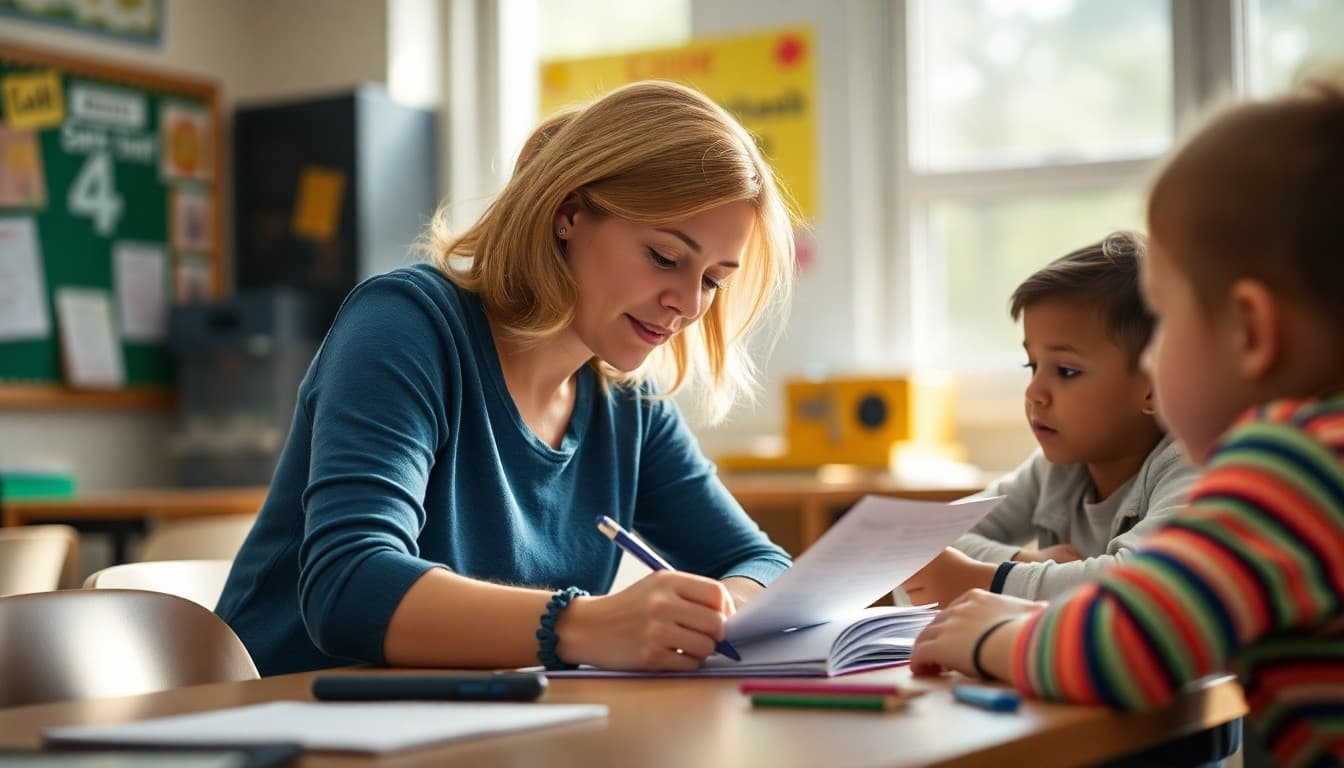
Self-Contained Classroom Newsletter for Special Education Families
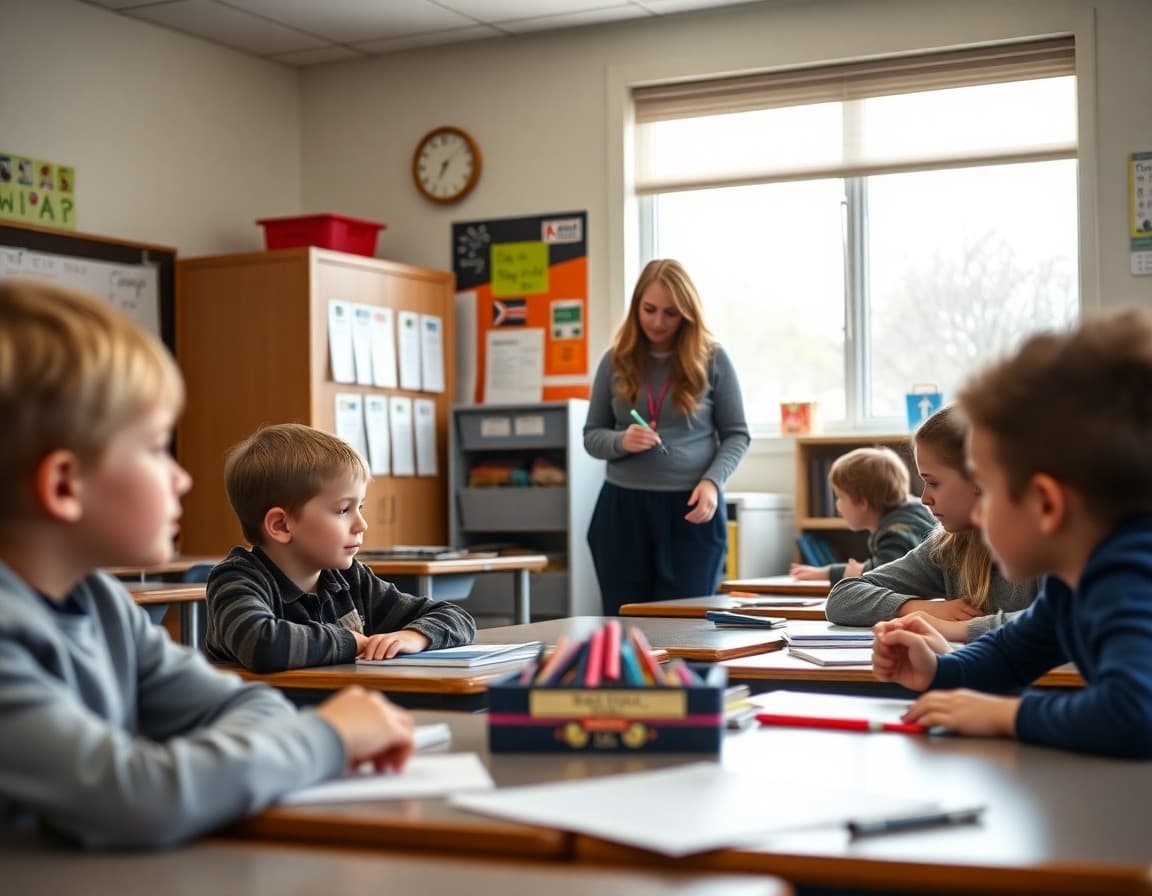
Self-contained special education classrooms serve students with more intensive support needs in a separate, specialized setting. Families of these students depend on teacher communication more than most, because their child may not reliably report on the school day at home. A regular, detailed newsletter is one of the most important things a self-contained teacher can do for their families.
Why Communication Is Even More Critical in Self-Contained Settings
A third-grader who reads can tell their family what they learned, what happened at lunch, and what the homework is. A third-grader with complex communication needs in a self-contained classroom may be able to communicate some of this, or may not communicate much about school at all. The family's window into their child's day is almost entirely what the teacher provides.
This communication gap means self-contained teachers carry a particular responsibility to document and share what is happening. Families who receive rich, consistent communication trust the program. Families in a communication vacuum are anxious, and anxious families often direct that anxiety toward the school in ways that complicate the relationship.
What to Include in a Self-Contained Classroom Newsletter
Cover the daily structure so families understand the arc of their child's school day. Describe the current curriculum focus and how it connects to IEP goals at a general level. Explain any new strategies, tools, or structures you have introduced. Share what community integration looks like: does the class eat in the cafeteria, attend specials with grade-level peers, participate in school events? And cover any upcoming schedule changes, events, or assessment periods.
Families of self-contained students are not looking for the same newsletter as families of inclusion students. They want specificity about the program their child is in.
Explaining the Classroom Structure
A brief section on how the school day is structured helps families prepare their child in the morning and interpret their child's behavior in the afternoon. "Our day begins with a transition routine where each student unpacks, uses their visual check-in board, and reviews the day's schedule. Morning group instruction runs from 9:00 to 10:15 with movement breaks built in. Speech and OT services are scheduled at [times]. Lunch is in the cafeteria with grade-level peers."
That level of detail gives families the vocabulary to have conversations with their child about their day: "Did you have speech today? What did you make during group?"
Communication Systems: Explaining Them to Families
Self-contained classrooms frequently use AAC devices, picture exchange systems, visual schedules, social stories, and structured communication protocols. Explaining these systems in your newsletter helps families understand what their child is learning and how to support it at home.
"This month we are focusing on communication through our picture exchange system. Students practice requesting items and activities using pictures. If you would like to support this at home, ask me for a set of pictures from our communication board. Using the same system at home and school helps students generalize the skill more quickly."
The Daily Communication Notebook
Many self-contained teachers use a daily communication notebook that travels between home and school. Your newsletter can explain how this notebook works, what information it contains, and what families should do with it. "Please check the home-school notebook daily and write back if you have questions or information about your child's evening. Notes from home help us understand your child's baseline when they arrive at school."
Including All Families in the Classroom Community
Self-contained classroom families sometimes feel separated from the broader school community. A newsletter that includes information about school-wide events, how your class participates in school activities, and opportunities for families to connect with each other reinforces that their child is a full member of the school community, not a separate population housed in the building.
A newsletter that explicitly mentions when your class attends an all-school assembly, performs at a school event, or eats in the cafeteria with grade-level peers shows families that inclusion is happening in multiple forms, even when the primary learning environment is separate.
Get one newsletter idea every week.
Free. For teachers. No spam.
Frequently asked questions
What makes a self-contained classroom newsletter different from other special education newsletters?
Self-contained classroom families often have children with more significant or intensive support needs. They may also have less visibility into what happens during the school day because their child may have limited verbal communication. A newsletter for a self-contained classroom needs to be more detailed about daily routines, communication systems, and classroom strategies because the family's primary window into the school day is what the teacher communicates directly.
How do I explain the daily structure of a self-contained classroom to families?
Describe the day in concrete terms: arrival routine, morning meeting or circle time, academic instruction blocks, related services schedule, lunch and recess, afternoon activities, and dismissal routine. Families of students with significant disabilities find predictability and routine information particularly valuable because they can prepare their child at home and recognize the behaviors their child brings home as extensions of the school day.
What communication methods work best for self-contained classroom families?
A combination of a regular newsletter and a daily home-school communication notebook works well for most self-contained classrooms. The newsletter provides the program overview, curriculum context, and community information. The daily notebook provides the student-specific report: behavior, food, toileting, communication attempts, and mood. Both channels are necessary because neither alone covers what families need.
How do I write about non-verbal or minimally verbal students in a class newsletter without violating their privacy?
Write at the class level, not the individual level. 'Several students in our classroom use AAC devices or picture communication systems. We practice communication throughout the day and during all activities' gives families context without identifying specific students. For individual student communication, use the daily notebook or direct parent contact.
What is the best way to document progress for self-contained classroom families?
Data-based progress reports aligned to IEP goals, with accessible language translations. Daystage newsletters can supplement formal reports with monthly updates about what the class is working on and upcoming activities. For students with complex communication needs, video clips or photo documentation shared through secure school channels add richness that words alone cannot provide.

Adi Ackerman
Author
Adi Ackerman is a former classroom teacher and curriculum writer with 8 years in K-8 schools. She writes about school communication, parent engagement, and what actually works in real classrooms.
More for Special Education
Ready to send your first newsletter?
3 newsletters free. No credit card. First one ready in under 5 minutes.
Get started free