

New Hampshire Special Education Newsletter: IDEA and Family Rights
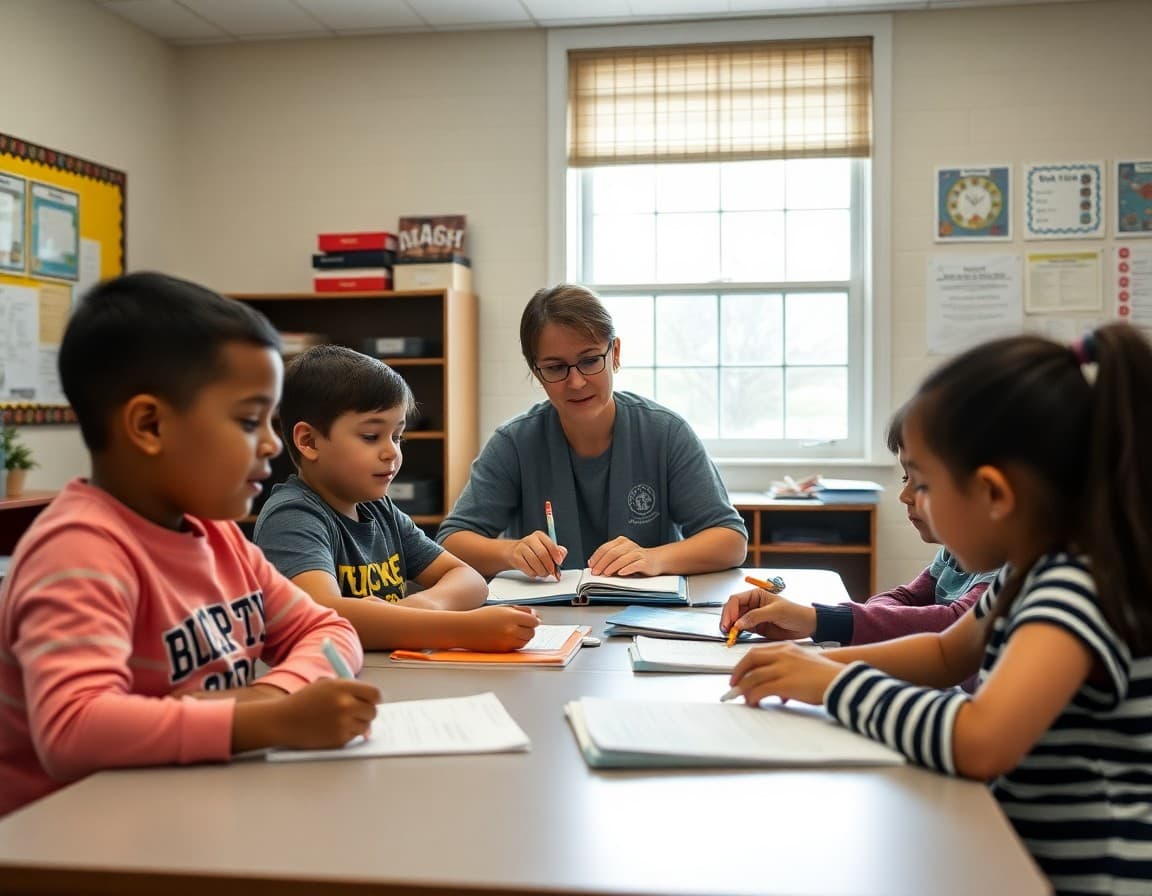
Special education teachers in New Hampshire work under one of the more detailed regulatory frameworks in public education. IDEA, the NH Rules for the Education of Children with Disabilities (Ed 1100), and district-level policies all shape how and when you communicate with families. A newsletter is one of the few tools that lets you communicate consistently with all families in your program without the legal weight of a Prior Written Notice or IEP amendment. This guide covers what to include, what to avoid, and how to make it work for NH families.
What NH Special Education Law Says About Family Communication
New Hampshire's special education rules, codified in Ed 1100, require districts to keep parents informed and involved in educational decision-making. While the rules do not require a monthly newsletter specifically, they do create an expectation of ongoing communication. The NH DOE's Bureau of Special Education conducts periodic compliance reviews, and districts that have documented communication with families fare significantly better than those relying on informal conversations.
A newsletter is not a legal notice. Do not use it to notify families of evaluation results, placement changes, or IEP meetings. Those communications require specific written notice formats under IDEA. The newsletter is a relationship-building tool that happens to also document that you are communicating regularly.
What Belongs in a Special Education Newsletter
The most useful special education newsletters cover program-level information, not student-specific details. Here is a structure that works in NH programs:
- A brief description of what the program is focusing on this month (a skill area, a theme, a transition topic)
- Upcoming IEP meeting windows or evaluation timelines (general, not individual)
- NH-specific resources: the Governor's Commission on Disability, the Parent Information Center of NH (PIC NH), or Parent Training and Information resources
- Family engagement suggestions tied to the current instructional focus
- Your contact information and the best way to reach you
A Template Excerpt That Protects You Legally
Here is an example of a compliant general section from a NH resource room newsletter:
This Month in Reading Support: Students are working on fluency and reading comprehension strategies, including how to identify the main idea and supporting details in informational text. We are using short passages at each student's instructional level, so the work looks different for different students -- that is intentional and expected.
IEP Meeting Season: Annual IEP meetings for students with December or January anniversary dates will be scheduled in the coming weeks. You will receive a written meeting invitation with at least 10 days' notice. If you have questions before your scheduled meeting, please reach out directly.
Notice: no student names, no disability labels, no service hours. All of that belongs in the IEP document, not the newsletter.
Explaining Family Rights Without Overwhelming Anyone
Many families in New Hampshire's special education programs do not fully understand their procedural rights under IDEA. Your newsletter is a good place to reinforce that understanding, one piece at a time. A monthly "Know Your Rights" box -- just two or three sentences -- builds awareness over the course of a year without requiring a full legal briefing.
For example, a November entry might read: "Parents of students with IEPs have the right to request an IEP meeting at any time. You do not need to wait for the annual review. Contact me or your school's special education coordinator to initiate a meeting." That is accurate, brief, and actionable.
Connecting NH Families to State Resources
New Hampshire has several organizations that specifically support families in the special education process. Include a resource mention in every newsletter:
- Parent Information Center of NH (PIC NH): Free advocacy support and training for families of students with disabilities
- NH Bureau of Special Education: Publishes the state procedural safeguards, dispute resolution options, and program guidance
- Granite State Independent Living: Transition planning resources for students moving toward adult services
- NH Family Voices: Peer support network for families of children with complex health and educational needs
Addressing Transition in Your Newsletter
For students ages 14 and older, IDEA requires transition planning as part of the IEP. If you work with secondary-age students in NH, your newsletter should include a brief section on transition topics each month. This might cover vocational assessment timelines, connections to NH DVRS (Division of Vocational Rehabilitation), or information about adult service providers in your region.
Families are often unaware that adult services are separate from school services and require their own eligibility determinations. The newsletter is a low-pressure way to introduce this reality before students are 18 and the urgency becomes stressful.
Handling Difficult Topics Professionally
Special education teachers sometimes need to address topics like behavior support plans, restraint and seclusion policies, or changes to program structure. Handle these carefully in newsletter format. State the facts, reference the relevant policy or law, and direct families to contact you or the special education director with specific questions. Never characterize a student's behavior in a group communication, and never suggest that a policy change was made in response to a specific situation, even if it was.
Scheduling Your Newsletter Around the NH IEP Calendar
Align your newsletter schedule with the natural rhythms of the IEP year. A September edition should cover program overview and your contact information. October and November editions work well for explaining evaluation processes and annual review timelines. March is a good time for a transition-focused edition. May should address end-of-year transitions, extended school year eligibility, and summer resources. Daystage lets you draft all of these in advance and schedule them to send automatically, which means you are not scrambling to write a newsletter during a busy IEP meeting week.
Get one newsletter idea every week.
Free. For teachers. No spam.
Frequently asked questions
What does IDEA require for parent communication in New Hampshire special education?
Under IDEA, New Hampshire school districts must provide parents with written notice before changing a student's identification, evaluation, or placement. Districts must also give families a copy of their procedural safeguards at least once per year. Newsletters are not a substitute for these legal notices, but they can reinforce families' understanding of their rights and the IEP process. The NH DOE's Bureau of Special Education publishes the state's procedural safeguards document annually.
Can I share IEP information in a class newsletter?
No. Individual student information, including IEP goals, disability categories, and service hours, is protected under FERPA and IDEA. A special education newsletter should cover general information about programs, services, and timelines rather than any detail tied to a specific student. If you need to communicate with a parent about their child's IEP, do that through a direct letter, email, or meeting -- never in a mass communication.
How do I explain special education services to families without using jargon?
Replace acronyms with plain descriptions on first use: write 'Individualized Education Program (IEP)' not just 'IEP.' Describe services in functional terms -- 'your child receives 30 minutes of reading support each day in a small group setting' -- rather than regulatory language like 'specially designed instruction in the area of basic reading skills.' A brief glossary section in your first newsletter of the year is worth including and families reference it repeatedly.
How often should a NH special education teacher send newsletters?
Monthly is the standard for most NH special education programs. Some teachers in self-contained settings send bi-weekly updates because families of students with significant needs tend to want more frequent contact. If you are unsure, ask families directly at the start of the year what frequency works for them. A short survey during back-to-school night takes five minutes and prevents months of miscommunication.
What tools make it easier to manage special education newsletters in NH?
The challenge with special education newsletters is maintaining a clean boundary between group communication and individual records. Daystage lets you build a consistent newsletter template, schedule sends in advance, and track which families opened it -- without mixing newsletter content with case management records. Many NH sped teachers use it alongside their IEP platform rather than trying to do everything in one system.

Adi Ackerman
Author
Adi Ackerman is a former classroom teacher and curriculum writer with 8 years in K-8 schools. She writes about school communication, parent engagement, and what actually works in real classrooms.
More for Special Education
Ready to send your first newsletter?
3 newsletters free. No credit card. First one ready in under 5 minutes.
Get started free