

Montana Special Education Newsletter: IDEA and Family Rights
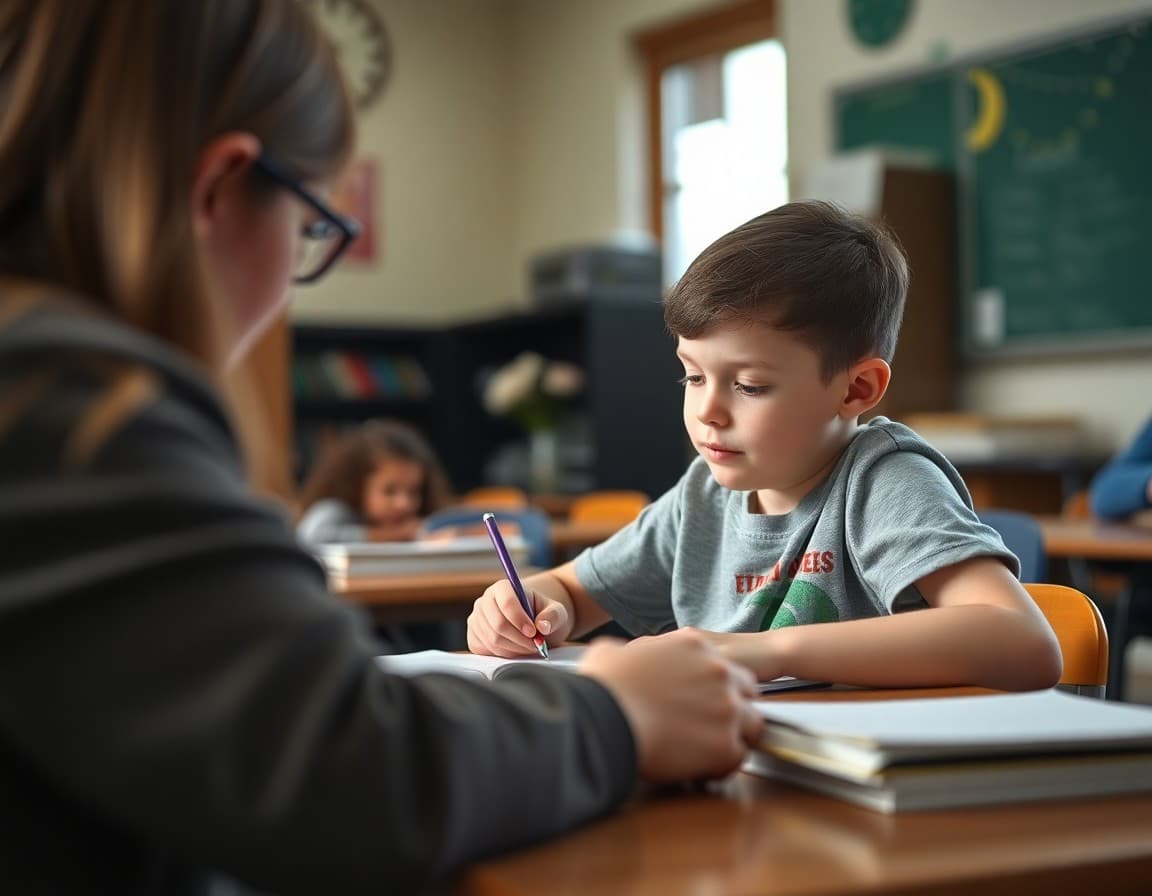
Montana special education teachers serve students in contexts that range from small-town schools to reservation communities, with geographic isolation, cultural diversity, and the full complexity of IDEA implementation creating a communication environment that requires thoughtful, consistent effort. A newsletter that helps Montana families understand their rights, the IEP process, and the resources available to them builds the partnerships that make special education work.
Montana's Special Education Context
Montana has approximately 20,000 students with disabilities in its public schools. The state implements IDEA through Montana's Office of Public Instruction Special Education Division, which conducts monitoring and provides technical assistance to districts. PLUK (Parents, Let's Unite for Kids) is the federally funded PTI serving Montana families. Montana's geographic size creates unique challenges for service delivery: some students with low-incidence disabilities travel significant distances for specialized services, and families in remote areas may have limited access to the IEP meetings and evaluations that IDEA requires.
Montana's Indian Education for All policy intersects with IDEA for tribal students with disabilities. These students have rights under both federal IDEA and tribal education policies, creating communication complexity that newsletters can help address by connecting families to both state and tribal resources.
PLUK and Montana's Family Advocacy Resources
Parents, Let's Unite for Kids (PLUK) provides free workshops, individual advocacy support, and training to Montana families of students with disabilities. PLUK serves the whole state, including rural and tribal communities, through traveling workshops and online resources. Including PLUK's contact information in newsletters twice per year is one of the highest-value things a Montana special education teacher can do for families. A family connected to PLUK arrives at IEP meetings better prepared and is a more productive partner in the special education process.
Remote IEP Meeting Participation in Montana
Montana allows families to participate in IEP meetings remotely by phone or video conference, which is particularly significant given the state's geographic distances. Newsletters should explicitly inform families of this option. A family who lives 45 minutes from school and has a demanding work schedule is far more likely to participate in an IEP meeting if they know they can join by phone rather than making a 90-minute round trip.
Before each IEP meeting season, include a newsletter section explaining meeting formats, how to request remote participation, and what families should do if they cannot participate in the scheduled meeting. Montana families who understand their participation options engage more consistently than those who assume the only option is physical attendance.
A Template Excerpt for Montana Special Education Newsletters
Here is a section for a rural Montana resource room:
"This month our students have been working on reading comprehension and note-taking strategies. We practiced identifying the most important information in a text and recording it in brief notes. These skills connect to IEP goals around academic independence and will help students across all their classes. If you want to practice at home, ask your child to watch a short video and tell you the three most important things they learned. Upcoming: IEP meetings are scheduled for December 5 through 16. Remote participation by phone or video is available. Contact me at [email] to arrange. PLUK (Parents, Let's Unite for Kids) offers free help preparing for IEP meetings: 800-222-7585."
Tribal Students and Special Education in Montana
Montana's reservation communities have tribal education departments that often provide services alongside or in coordination with state special education programs. For tribal students with IEPs, newsletters should acknowledge both the state IDEA framework and any tribal education services the student receives. Connecting families to tribal education coordinators, who can serve as cultural liaisons and advocates in the state special education process, is particularly valuable for families who are more comfortable navigating tribal institutions than state bureaucracy.
Transition Planning in Montana
Montana requires transition planning at age 16 consistent with IDEA. For rural Montana students, post-secondary and employment options may be more limited locally than in urban areas. Newsletters for transition-age students should introduce Montana Vocational Rehabilitation, tribal vocational services on reservation communities, Montana's CTE programs that lead to locally relevant certifications, and post-secondary options including tribal colleges and Montana State's campus in Billings.
Montana's Developmental Services Division provides adult services for individuals with intellectual and developmental disabilities. Many Montana families are not aware of these services until their student is close to graduation, when the application timelines have already become urgent. Newsletters that introduce these services at age 14 give families two years to understand the system before it becomes immediately relevant.
Making the Practice Sustainable in Rural Montana
Montana special education teachers in small districts often manage caseloads that span multiple disability categories and grade levels. A 20-minute monthly newsletter using a fixed template is achievable and valuable. Keep sections brief, write conversationally, and prioritize the information families most need. The newsletter that goes out every month through Montana's long winter and short spring builds the family trust that makes the intensive IEP meeting season in spring more productive for everyone involved.
Get one newsletter idea every week.
Free. For teachers. No spam.
Frequently asked questions
What Montana-specific resources should special education newsletters include?
Montana special education newsletters should reference the Parents, Let's Unite for Kids (PLUK) organization, Montana's federally funded Parent Training and Information Center. PLUK provides free advocacy training and support to Montana families of students with disabilities across the state. Montana's Developmental Services Division and Montana Vocational Rehabilitation are the primary adult services agencies for transition-age students. For tribal students, tribal special education coordinators on Montana's reservations provide culturally specific support.
How do tribal communities affect Montana special education newsletter design?
Montana's reservation schools and schools serving tribal students have specific cultural considerations for special education communication. IDEA rights communications should acknowledge tribal sovereignty and the intersection of federal IDEA rights with tribal education rights. Some tribes have tribal education departments that provide additional special education services alongside or instead of state services. Newsletters should connect tribal families to both state and tribal resources.
What should Montana special education newsletters include monthly?
Montana special education newsletters should cover a program update, upcoming IEP or evaluation dates, one rights reminder, and one resource spotlight. PLUK's contact information should appear twice per year. For transition-age students, Montana Vocational Rehabilitation and tribal vocational services deserve periodic coverage. For students in very remote areas, Montana's expanded teletherapy services for rural students are worth mentioning as a connection to services that might otherwise require long travel.
How does Montana's rural geography affect special education family communication?
Montana's geographic distances create challenges for special education communication that urban states do not face. Some families drive 45 minutes or more for IEP meetings. Newsletters that preview what will be discussed at meetings help families decide whether a long drive is worth making or whether phone participation is an option. Montana allows remote IEP meeting participation, and newsletters that inform families of this option make meetings more accessible.
What newsletter delivery works for Montana special education families?
Mobile delivery works for most Montana families of students with disabilities, but rural broadband gaps require lightweight newsletters. Daystage creates fast-loading, mobile-friendly newsletters that work on Montana's rural cell connections. For families in very remote areas, printed copies sent home with students remain important. Scheduling features allow teachers to write newsletters when time allows and deliver them at optimal times for family engagement.

Adi Ackerman
Author
Adi Ackerman is a former classroom teacher and curriculum writer with 8 years in K-8 schools. She writes about school communication, parent engagement, and what actually works in real classrooms.
More for Special Education
Ready to send your first newsletter?
3 newsletters free. No credit card. First one ready in under 5 minutes.
Get started free