

Georgia Special Education Newsletter: IDEA and Family Rights
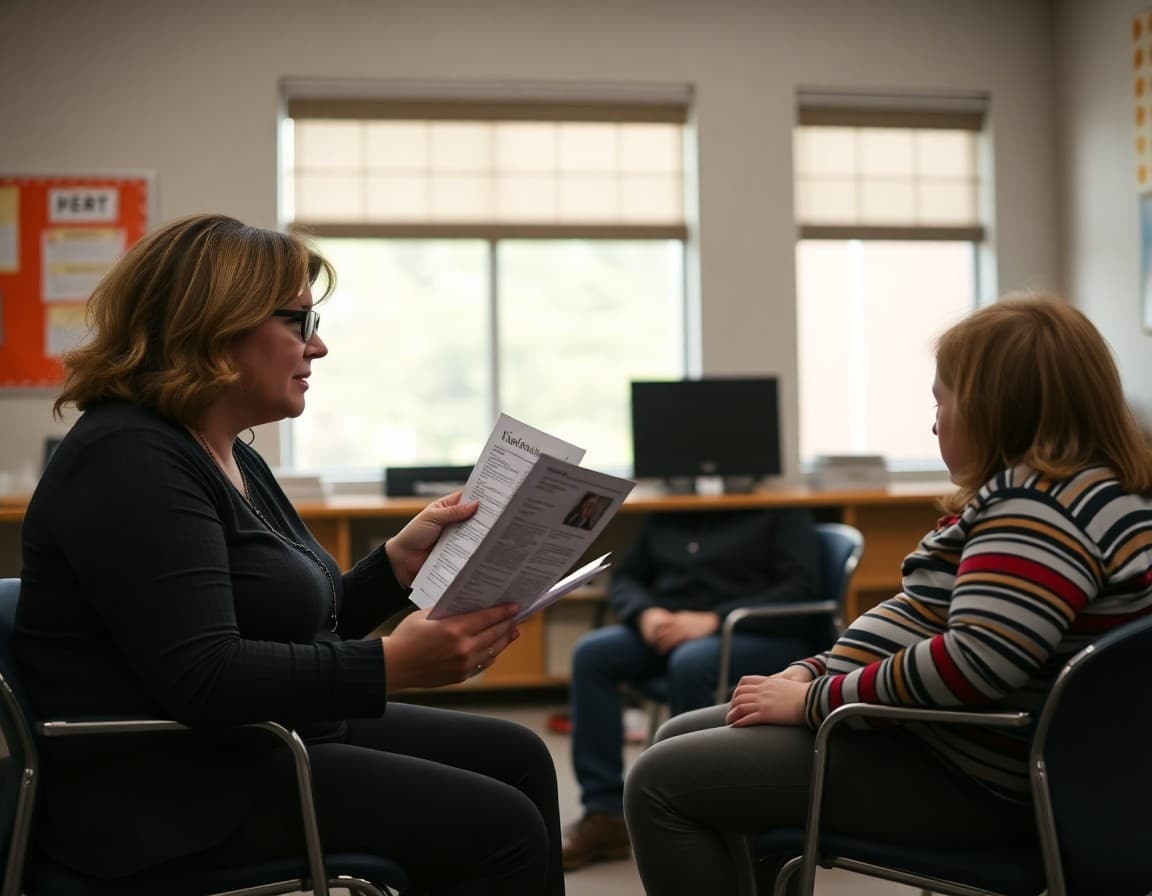
Georgia's special education program serves approximately 200,000 students across 180 school systems. For special education teachers -- whether in a resource room, inclusion setting, or self-contained classroom -- regular newsletters to families are one of the most effective tools for building the kind of family partnership that IDEA is designed to support. This guide covers what Georgia special education newsletters should include, how to handle privacy, and how to communicate the complex landscape of IEP rights in plain language.
Georgia Special Education: The Legal Foundation
Georgia follows IDEA's procedural requirements, with implementation through the Georgia Department of Education's Special Education Services division. Key communication requirements include written prior notice before changes to IEP, placement, or services; annual distribution of procedural safeguards; and evaluation reports shared with families within state-mandated timelines. Beyond these formal requirements, Georgia's IDEA compliance monitoring looks at the quality of family partnership, which is where regular newsletters add value. A school that sends monthly program newsletters has documentation of ongoing communication that can matter during a state review or a due process proceeding.
What to Include in Every Georgia Special Education Newsletter
A clear, monthly structure for Georgia special education newsletters:
- Program focus: what the class or caseload is working on this month
- IEP reminders: annual review windows coming up, who to contact, how to prepare
- Georgia Milestones accommodations: updates on assessment supports before testing windows
- Transition spotlight: (secondary) one agency or program to know about this month
- Family resource: GPAT workshops, Georgia VR enrollment events, or district parent advisory
- How to reach me: clear contact info and office hours
Communicating IDEA Rights Without Legalese
One section per newsletter explaining one IDEA right in plain language is more effective than an annual safeguards document that families file away. Example: "You have the right to request an independent educational evaluation (IEE) at public expense if you disagree with our school's evaluation of your child. This means the school district pays for an outside evaluator. Contact me or our school's special education coordinator to discuss this option." That is the kind of sentence families remember and act on. Rotate through rights across the year: IEE, prior written notice, mediation, due process, and surrogate parent rights each get their own issue.
Georgia Assessment Accommodations: What Families Need to Know
Georgia Milestones assessments are taken by most students with IEPs with accommodations documented in their plans. Many families do not understand what accommodations mean in practice: extended time, separate testing location, text-to-speech, calculator use. A newsletter section in February or March -- before the spring Milestones window -- that explains your students' common accommodations and how they are implemented reduces the family confusion that often comes up after testing. "Your child's IEP includes extended time on assessments, which means they get 50% additional time on the Milestones test. They will be tested in a smaller group in Room 108."
Template Excerpt: October Georgia Special Education Newsletter
A sample section:
"This month our program is focusing on organizational skills -- managing materials, using planners, and breaking long assignments into steps. For families: check in with your student each evening about what is due tomorrow, not this week. That daily checkpoint helps reinforce the organizational habits we are building in class. IEP annual review meetings for students whose anniversaries fall in November are being scheduled now. Watch for your meeting notice. If the proposed date does not work, contact me at least one week in advance. This month's IDEA right to know: you have the right to bring anyone you choose to your child's IEP meeting, including an advocate or family friend."
Georgia Transition Planning for Families of Secondary Students
Georgia Vocational Rehabilitation Services (GaVRS) is a primary transition partner for students with disabilities leaving high school. Families should know about GaVRS before senior year, not during it. Start introducing transition agencies in 9th grade newsletters: what GaVRS does, how to apply, what vocational assessments look like. The Technical College System of Georgia's disability support offices and Georgia's Project SEARCH supported employment programs are also worth mentioning. A family that has been hearing about these options for four years shows up to the senior transition IEP meeting ready to make decisions.
Itinerant Teachers: Coordinating Newsletters Across Buildings
Many Georgia special education teachers serve students across two or three school buildings. A group newsletter that goes to all families in your caseload is more sustainable than trying to coordinate with every general education teacher and building newsletter. Segment your sends by school if the content needs to be building-specific, but maintain a single template and a monthly cadence. That consistency is what builds trust over time, and tools like Daystage make managing multiple family lists from a single account practical.
Get one newsletter idea every week.
Free. For teachers. No spam.
Frequently asked questions
What are Georgia's special education communication requirements?
Georgia follows IDEA's framework for parental notification, implemented through the Georgia Department of Education's special education rules. Schools must provide written prior notice before changing a student's IEP, placement, or services, and must give families a copy of procedural safeguards annually. The Georgia Department of Education's Special Education Services division monitors compliance, and regular family communication -- including newsletters -- contributes to a school's compliance record.
What topics should a Georgia special education newsletter cover?
A Georgia special education newsletter should cover program updates, upcoming IEP meeting reminders, Georgia Milestones assessment accommodations updates, transition planning news for secondary students, and resources from the Georgia Department of Education's Parent Training and Information Center (GPAT). Including a plain-language explanation of one procedural right per issue helps families understand the IEP process without feeling overwhelmed.
How do I write about IEP goals without violating student privacy?
Group newsletters should not include individually identifiable information like a student's name, disability category, or specific goal data. Focus on program-level updates: 'Our class is working on functional communication skills this month.' Send individual progress notes separately. Georgia's FERPA protections apply to all student education records, and an IEP is a protected education record. When in doubt about whether something is identifiable, leave it out of the group newsletter.
How should Georgia special education teachers address transition planning?
Georgia follows IDEA's requirement to begin transition planning at age 16, though many Georgia districts begin earlier. For middle and early high school special education newsletters, include a standing transition corner that introduces families to Georgia Vocational Rehabilitation Services, Technical College System of Georgia (TCSG) disability support offices, and Georgia's Work-Based Learning programs. Families who understand the transition landscape by 9th grade are far better prepared to participate meaningfully in IEP meetings.
Is there a tool that helps Georgia special education teachers send newsletters efficiently?
Daystage is a good option for special education teachers who need to send newsletters to multiple family groups -- for example, separate updates for elementary and secondary caseloads. You can maintain different templates for different populations and send targeted messages without managing separate email lists manually. That kind of flexibility is especially useful for itinerant special education teachers who serve multiple school buildings.

Adi Ackerman
Author
Adi Ackerman is a former classroom teacher and curriculum writer with 8 years in K-8 schools. She writes about school communication, parent engagement, and what actually works in real classrooms.
More for Special Education
Ready to send your first newsletter?
3 newsletters free. No credit card. First one ready in under 5 minutes.
Get started free