

Florida Special Education Newsletter: IDEA and Family Rights
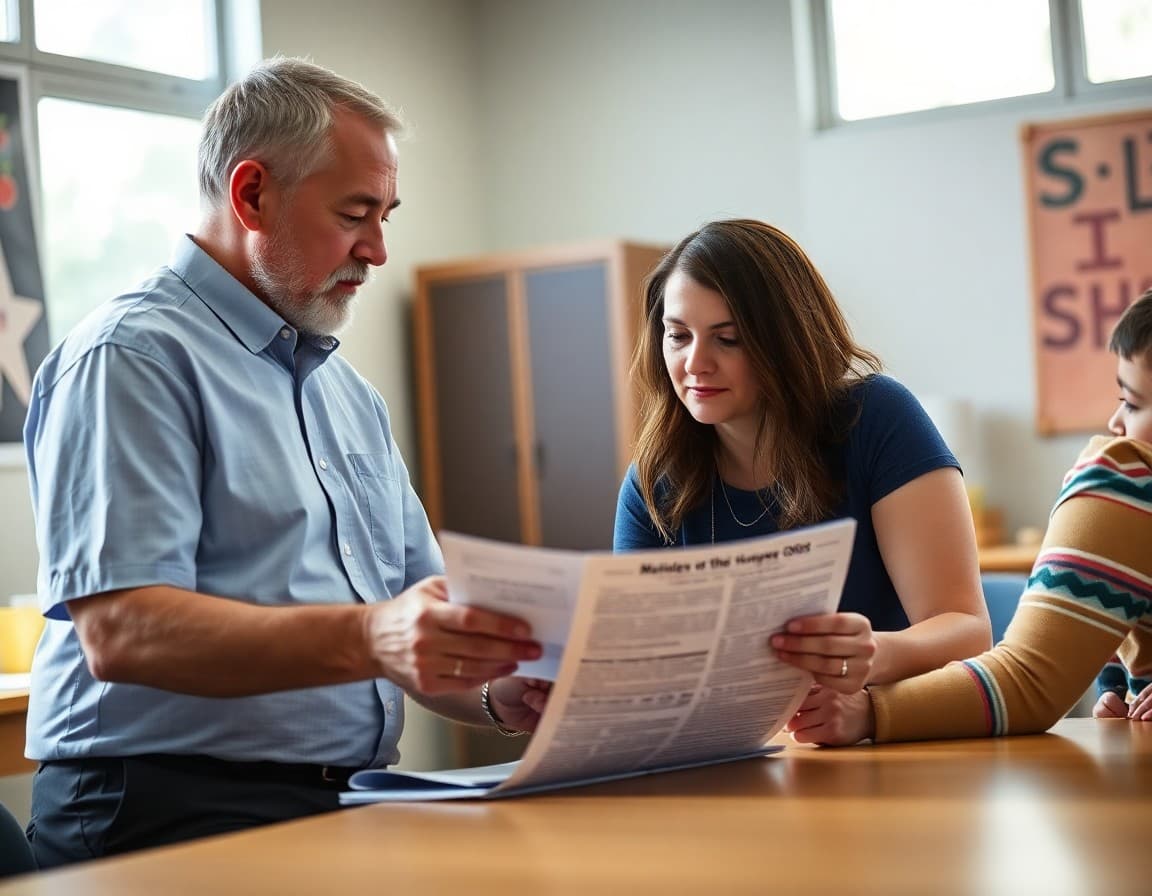
Florida's Exceptional Student Education program serves over 370,000 students statewide. For ESE teachers in Hillsborough, Duval, Palm Beach, or any other Florida district, regular family communication is both a professional responsibility and a legal one. A newsletter that keeps families informed between IEP meetings reduces confusion, builds trust, and prevents the kind of misunderstandings that escalate into formal disputes.
Florida ESE: The Legal Communication Framework
Florida follows IDEA's procedural safeguards framework, implemented through State Board of Education Rule 6A-6.03028. Schools must provide written prior notice before changing placement or services, and must give families the Florida IDEA Procedural Safeguards notice at least once per year. Beyond these required documents, the Florida Department of Education encourages proactive family engagement as part of ESE compliance monitoring. Regular newsletters are the most practical tool for that ongoing engagement. They do not replace IEP meeting notices or evaluation reports, but they fill the gap between formal contacts.
What Goes in a Florida ESE Newsletter
A monthly Florida special education newsletter should cover:
- Program updates: what the class is focusing on this month, any new materials or methods being introduced
- IEP reminders: upcoming annual review windows, who to contact to schedule a meeting
- Assessment accommodations: changes to Florida Standards Assessments accommodations ahead of testing windows
- Transition news (secondary): agency referrals, VR Florida timelines, job training programs
- Family resources: Florida Dispute Resolution Center contacts, Florida FIEP (Families Involved in Education Programs) events
Communicating Rights Without Overwhelming Families
One section many ESE newsletters get wrong is the "Know Your Rights" component. Pasting in a paragraph of state regulation language serves no one. Instead, explain one right per issue in plain language. For example: "Florida law gives you the right to request an Independent Educational Evaluation (IEE) if you disagree with the school's assessment of your child. The district pays for this evaluation. Contact me or your school's ESE specialist if you want to discuss this option." That one sentence is more useful than a two-page summary of procedural safeguards.
Template Excerpt: October ESE Newsletter
Here is a sample section from an October Florida ESE newsletter:
"This month our program is working on self-advocacy skills -- helping students understand their own learning needs and practice communicating them. For families: ask your child this week, 'What is one thing that helps you learn better?' It opens a great conversation and reinforces what we are practicing in class. Annual IEP review meetings for fall-quarter students are scheduled for November. Watch for your meeting notice by October 20. If you need to reschedule, contact me at least five school days before your assigned date."
Transition Planning Communication for Florida Families
Florida begins transition planning at age 14, a year ahead of the federal IDEA requirement. Many families are surprised when transition topics appear in middle school. Your newsletter can prepare them. Starting in 7th grade, include a brief "Looking Ahead" section that explains what transition planning means, what a vocational assessment involves, and what agencies like Vocational Rehabilitation Florida (VR Florida) offer. By the time a student reaches 9th grade, families should already understand the transition IEP structure because you have been explaining it piece by piece for two years.
Handling Sensitive Topics in Group Newsletters
Special education newsletters serve groups of families whose children have widely different needs. A newsletter that goes to 25 families cannot mention individual students by name or disability. Keep content at the program level. When you need to communicate something specific to a family, send a separate message alongside the newsletter. A note like "I sent a personal update to families whose IEP meetings are scheduled this month" signals that you are handling individual needs without exposing any student's information to the group.
Building a Year-Round Communication Calendar
Florida's academic calendar has predictable ESE milestones: evaluation consent windows in fall, assessment accommodations confirmation in winter, IEP annual reviews distributed throughout the year, and transition agency referrals in spring for eligible secondary students. Build your newsletter content calendar around these milestones in August before the school year starts. That way, each issue has a natural anchor topic and you are not starting from scratch every month. Tools like Daystage let you draft newsletters in advance and schedule sends, which helps during the busiest IEP periods when you have back-to-back meetings every day.
Get one newsletter idea every week.
Free. For teachers. No spam.
Frequently asked questions
What are Florida's requirements for communicating with special education families?
Under IDEA and Florida's Exceptional Student Education (ESE) rules in State Board of Education Rule 6A-6.03028, schools must provide written prior notice before changing a student's placement or services and must give parents a copy of their procedural safeguards annually. Regular newsletters are not mandated, but they serve as an important supplement to formal notices by keeping families informed between IEP meetings and documentation events.
What should a Florida special education newsletter include?
A Florida ESE newsletter should include updates on what the class or program is working on, reminders about upcoming IEP meeting windows, any changes to state assessment accommodations, transition planning updates for secondary students, and resources for families navigating the Florida ESE system. Including a brief explanation of a relevant Florida Department of Education policy each month helps families understand their rights without requiring them to read lengthy state documents.
How do I communicate IEP goals in a newsletter without violating privacy?
Never include individually identifiable information like a student's name and disability category in a group newsletter. Focus on program-level updates: 'Our class is working on social communication goals this quarter.' For IEP-specific updates, send a personalized note or email alongside the group newsletter. Florida's FERPA and HIPAA-adjacent protections for ESE students require careful handling of any student-specific data.
How should Florida ESE teachers address transition planning in newsletters?
Florida requires transition planning to begin by age 14 (one year earlier than the federal IDEA minimum). Newsletters sent to families of middle and high school students should begin addressing transition topics -- vocational assessments, supported employment programs, and agency connections like Vocational Rehabilitation Florida -- well before the student's 14th birthday. A standing 'Transition Corner' section in secondary ESE newsletters keeps this on families' radar year-round.
Can Daystage help special education teachers send compliant newsletters in Florida?
Yes. Daystage gives special education teachers a straightforward way to create professional-looking newsletters without spending hours on formatting. You can send separate newsletters to different family groups, which is useful when your caseload includes students at different grade levels or program types. The platform handles delivery and tracking, so you have a record of what was sent and when.

Adi Ackerman
Author
Adi Ackerman is a former classroom teacher and curriculum writer with 8 years in K-8 schools. She writes about school communication, parent engagement, and what actually works in real classrooms.
More for Special Education
Ready to send your first newsletter?
3 newsletters free. No credit card. First one ready in under 5 minutes.
Get started free