
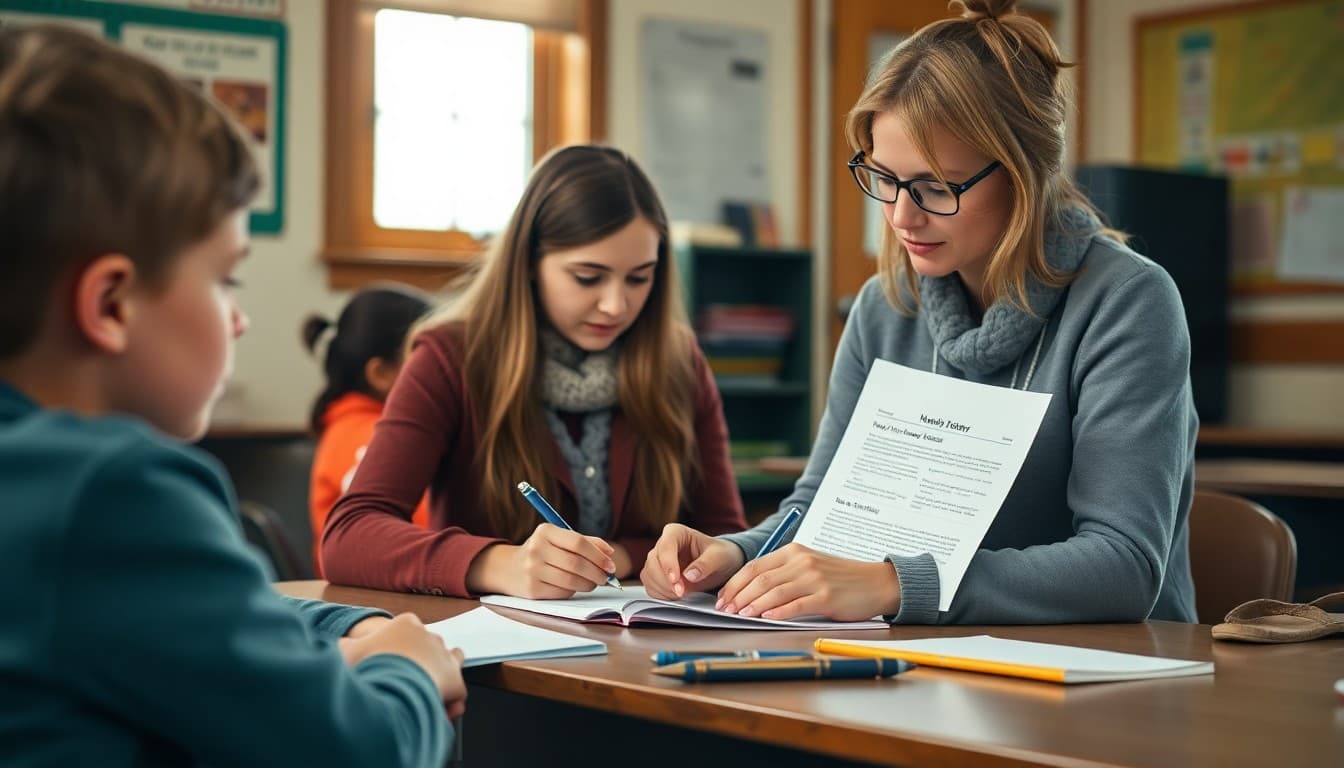
Alaska Special Education Newsletter: IDEA and Family Rights
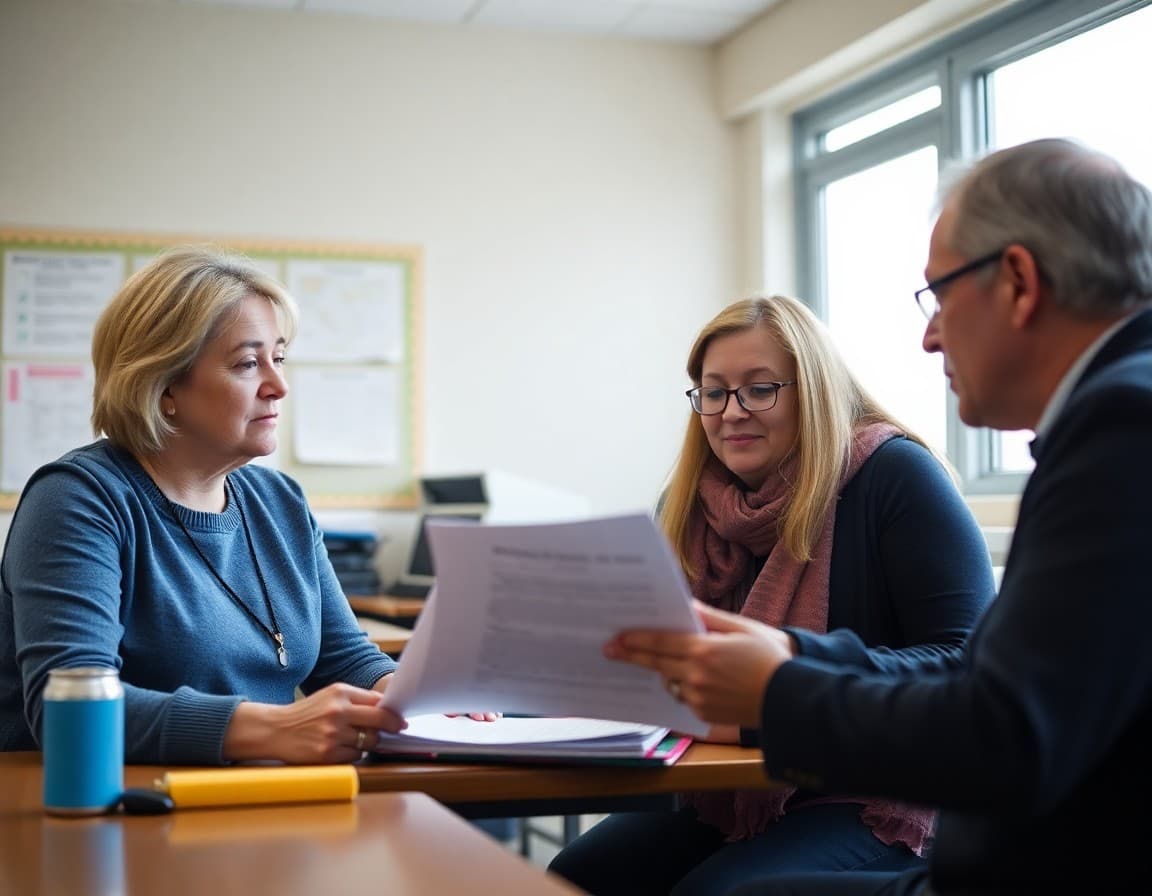
Special education in Alaska includes everything from large Anchorage schools with full-time resource rooms to itinerant teachers who fly between remote village schools providing services once a week. The newsletter you write needs to work for your actual situation, and it needs to give families in isolated communities the same quality of information that urban families receive from in-person contact.
Adapt Communication for Alaska's Service Delivery Reality
Many Alaska students with IEPs receive services from itinerant teachers who travel between communities. A student in a village school might see their speech-language pathologist twice a month and their special education teacher three times a week by videoconference and once in person. In this context, a newsletter from the itinerant teacher after each visit -- describing what was worked on, what progress was observed, and what the family can reinforce at home -- is not supplemental communication, it is the primary way families stay informed about their child's program.
Explain IDEA Rights to Alaska Native Families
Many Alaska Native families, particularly in rural communities, have historical reasons to be cautious about government systems including schools. Building trust requires explaining IDEA rights clearly and genuinely: parents are equal members of the IEP team, they can bring a support person to any meeting, they can request an independent educational evaluation if they disagree with the school's evaluation, and they can request mediation or due process if they have concerns. The Stone Soup Group in Anchorage provides free family support services. Including their contact information in your newsletter annually demonstrates that the school wants families to be informed advocates, not passive recipients of services.
Describe Current Services in Plain Language
IEP language is technical by design, but newsletter language should translate that into plain terms. Instead of "specially designed instruction in reading decoding at a frequency of 5 times per week for 30 minutes in a resource room setting," write "your student works with me in a small group every day for 30 minutes on reading. Right now we are focusing on sounding out longer words and reading them accurately." This translation does not change what the IEP says -- it just ensures families can understand what is happening without needing a special education background.
A Pre-IEP Meeting Newsletter Template
Send this two weeks before each annual IEP meeting:
Your Child's IEP Meeting -- [Date] at [Time]
Location: [Room or videoconference link]
What we will review: Progress on current goals, current services, and new goals for next year
What to bring: Your observations about what is going well and what concerns you
Interpreter: Please let me know by [Date] if you need interpretation
Your rights: You are an equal member of this team. You can bring a support person.
Contact: [Teacher name, phone, email]
Cover Alaska's Assessment Options
Alaska offers both the standard AK STAR assessment and the Alaska Alternate Assessment for students with significant cognitive disabilities. Before testing season, your newsletter should specify which assessment your student will take, what accommodations their IEP includes, and how results will be reported. For families of students taking the Alaska AA, explain that this assessment measures academic content at a complexity level matched to the student's instructional level, and that results are reported on a different scale than the standard assessment.
Introduce Transition Resources Early
Alaska's Division of Vocational Rehabilitation accepts referrals for students with disabilities beginning at age 14. DVR services include vocational assessment, job training, post-secondary education support, and supported employment. Your newsletter for 9th and 10th grade families should introduce DVR by name, explain what services they provide, and note that the referral process typically begins around age 16 but benefits from earlier preparation. Families who know DVR exists before the age-16 IEP meeting can gather information and ask better questions when the time comes.
Address Subsistence and Cultural Considerations
For many Alaska Native students, participation in subsistence activities and cultural practices is not separate from educational development -- it is part of it. A special education program that recognizes traditional ecological knowledge, values culturally appropriate learning modalities, and schedules IEP-related activities around community events and subsistence seasons is more likely to maintain family engagement. Your newsletter can signal this respect by acknowledging community events, referencing Alaska Studies curriculum content, and demonstrating awareness of the seasonal rhythms that shape family life in Alaska communities.
Document Everything in Writing
Alaska's geographic spread means that verbal conversations between itinerant teachers and families do not always have witnesses and may not be remembered consistently. A newsletter that follows up after each service visit with a written summary of what was covered, what progress was noted, and what the next session will focus on creates documentation that protects both the teacher and the family. If a dispute arises about whether services were provided or what the family was told, a newsletter archive is the clearest record available.
Get one newsletter idea every week.
Free. For teachers. No spam.
Frequently asked questions
What are Alaska's special education communication requirements?
Alaska follows federal IDEA 2004 requirements for prior written notice, IEP meeting invitations, parental consent for evaluations, and annual procedural safeguard notices. The Alaska Department of Education and Early Development's Special Education unit administers state compliance monitoring. Families can contact the Stone Soup Group, Alaska's federally funded Parent Training and Information Center, for support navigating their IDEA rights.
How does special education communication work in rural Alaska?
Rural Alaska special education presents unique logistical challenges. Many small schools have itinerant special education teachers who travel between communities on a weekly or bi-weekly schedule. In these settings, newsletters carry more weight because in-person contact is limited. A clear, regular newsletter from the itinerant teacher describing what services were provided during the visit and what progress the student is making bridges the communication gap between visits.
What should Alaska special education newsletters cover for assessment accommodations?
Alaska uses the Alaska System of Academic Readiness (AK STAR) and the Alaska Alternate Assessment (Alaska AA) for students with significant cognitive disabilities. Before each testing window, a newsletter section should specify which test the student is taking, what accommodations the IEP includes for that assessment, and what families should know about the testing format. For students taking the Alaska AA, an explanation of what the alternate assessment measures is particularly important.
What transition resources are available in Alaska?
The Alaska Division of Vocational Rehabilitation (DVR) is the primary transition partner for students with disabilities leaving high school. DVR provides job training, supported employment, and post-secondary education support. Alaska also has the Governor's Council on Disabilities and Special Education, which coordinates services across agencies. Your newsletter can introduce DVR to families of high school students as early as 9th or 10th grade so they understand the referral process before age 16.
Can Daystage support Alaska special education teacher newsletters?
Yes. Daystage lets special education teachers send regular family updates outside the formal IEP process. For itinerant teachers covering multiple village schools, a consistent newsletter format that can be quickly updated and sent to each community's families saves significant time while maintaining communication quality.

Adi Ackerman
Author
Adi Ackerman is a former classroom teacher and curriculum writer with 8 years in K-8 schools. She writes about school communication, parent engagement, and what actually works in real classrooms.
More for Special Education
Ready to send your first newsletter?
3 newsletters free. No credit card. First one ready in under 5 minutes.
Get started free