

SEL Newsletter for the Start of the School Year: A Template
The first SEL newsletter of the year does more work than any other newsletter you will send. Parents are watching to find out who you are. They are watching the first email closer than the last one. A start-of-year SEL newsletter that names the routines, tells the truth, and gives one honest sentence about mistakes sets the tone for everything that follows. Here is the template.
Send within the first 72 hours
Week one is the attention window. Parents who are about to stop reading school email are still opening it now. Get the first newsletter in front of them while they are watching. By week three, the open rate drops by half.
Open with your name and one line
Skip the long bio. "I am Ms. Roberts. This is my fifth year teaching third grade and my second at Lincoln. I have two kids of my own, one of them in fourth grade upstairs, which keeps me honest." Three sentences. Parents do not need the resume. They need the human.
Name three specific things from the first three days
Be specific. "We learned each other's names with a ball-toss game where you say your name and one thing you are good at. We started morning meeting with a simple greeting and a share. We began our classroom norms chart, which we will finish together next week." Three sentences. One each.
The classroom norms section
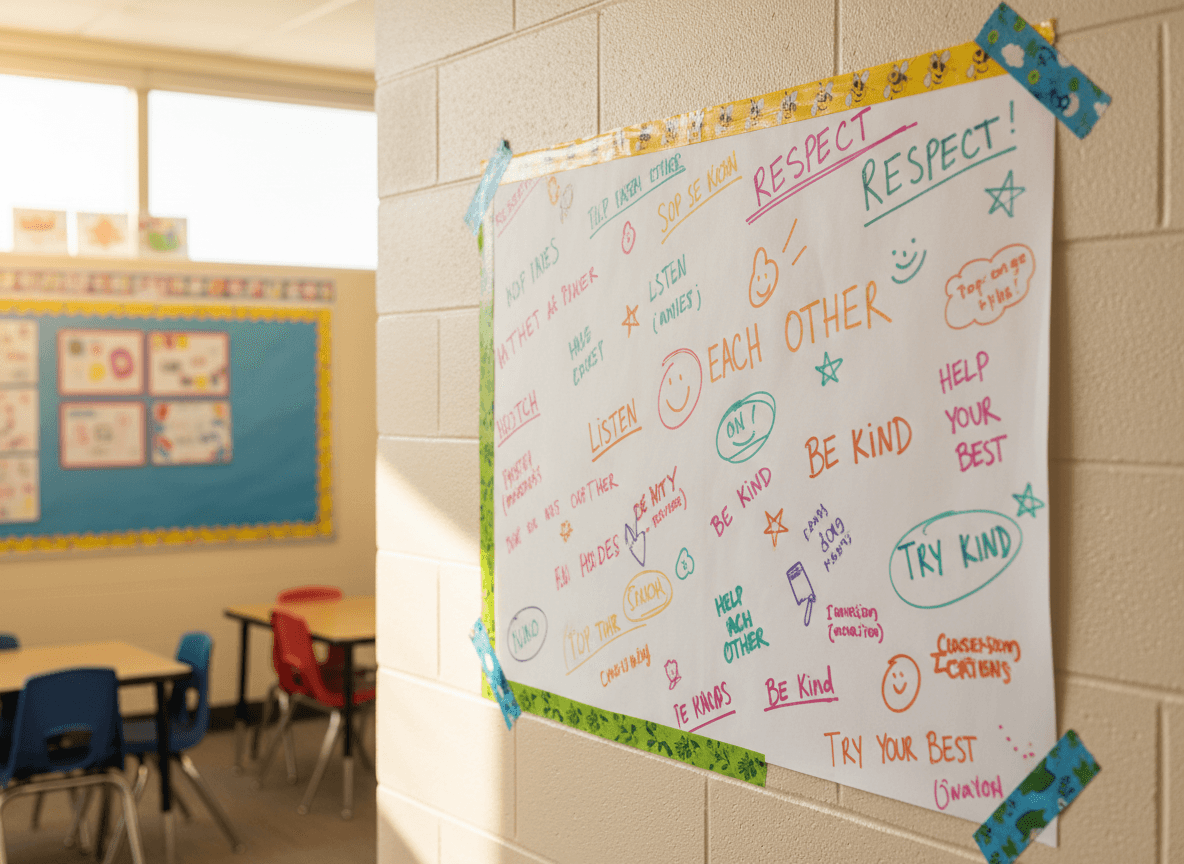
Tell parents the norms are being co-created with students. "We are not posting rules I wrote over the summer. We are building agreements together with the class. By the end of next week, we will have four or five, in the kids' own language. I will send them home." That sentence earns more trust than any policy document.
The 'we will mess up' line
One sentence. "I am going to get something wrong this year. When I do, I will say so and fix it. I expect the same from your child." Parents who read that line in the first newsletter cite it back to me months later. It is the line that turns the newsletter from corporate communication into a real relationship.
How you handle the first conflict
"When two students disagree, my first move is to ask each of them to say what they need before either of them apologizes. The apology, if there is one, comes after we know what happened." Two sentences. Parents read that and understand immediately how their child will be treated when something goes wrong.
How to reach you
Email. The window in which you respond. What to do if you do not respond within that window. "I check email between 7 and 8 in the morning and after 4 in the afternoon. I do not check during the school day. If something is urgent, call the office and they will get a message to me."
One example: a closing line
The first three days have been the most ordinary kind of good. We learned names. We built routines. We started a chart. The room smells like new pencils. Next week, we finish the classroom agreements together and I send them home in your child's voice.
Subject lines that earn the open
"Three things from the first three days" beats "Welcome back!" every time. Specific over warm. Parents will open the specific subject line. They will skim past the warm one.
How Daystage helps with the back-to-school SEL set
Daystage has a back-to-school newsletter set with three preset issues: day three, end of week two (classroom norms), and end of week four (consolidation). You type a few short notes about what happened in your classroom. Daystage drafts the newsletter in plain language with a subject line that earns the open. Sending to the class roster takes one click. Most teachers spend under 15 minutes per issue, even on the first one.
Get one newsletter idea every week.
Free. For teachers. No spam.
Frequently asked questions
When should the first SEL newsletter of the year go out?
Within the first three school days. Parents are paying maximum attention in week one. A newsletter that lands during the first 72 hours gets read at three to four times the rate of one sent in week three. Use the attention window to set the tone for the year.
What goes in the first SEL newsletter of the year?
Your name. One line of background. The three things that happened in the first three days (a name game, the start of morning meeting, the beginning of classroom norms). One line about how you handle the first conflict. How parents can reach you. A short honest sentence that you will mess up at some point and how you will handle it. That is the whole structure.
Should you really say you will mess up?
Yes. One sentence. 'I will get something wrong this year. When I do, I will say so and fix it.' Parents read that and lean in. The teachers who pretend they never make mistakes lose families fast. The ones who name the inevitable error build trust from day one.
How long should the start-of-year newsletter be?
350 to 500 words. Long enough to cover the structure. Short enough that a parent on the first day of work after summer can read it on their phone. Do not stack it with policy reminders. Send those separately if you must.
Can Daystage handle the back-to-school newsletter sequence?
Daystage has a back-to-school SEL set with three preset issues: day three, end of week two (classroom norms), and end of week four (consolidation). You type short notes about what happened. Daystage drafts the newsletter in plain language. Most teachers send the first issue in under 15 minutes.

Adi Ackerman
Author
Adi Ackerman is a former classroom teacher and curriculum writer with 8 years in K-8 schools. She writes about school communication, parent engagement, and what actually works in real classrooms.
More for Social-Emotional Learning
Classroom Community Building Newsletter: What to Send the First 30 Days
Social-Emotional Learning · 6 min read
SEL Newsletter for Teachers: Communicating Without the Buzzwords
Social-Emotional Learning · 6 min read
Character Education Newsletter Template Without the Cliches
Social-Emotional Learning · 6 min read
Ready to send your first newsletter?
3 newsletters free. No credit card. First one ready in under 5 minutes.
Get started free