

Character Education Newsletter Template Without the Cliches
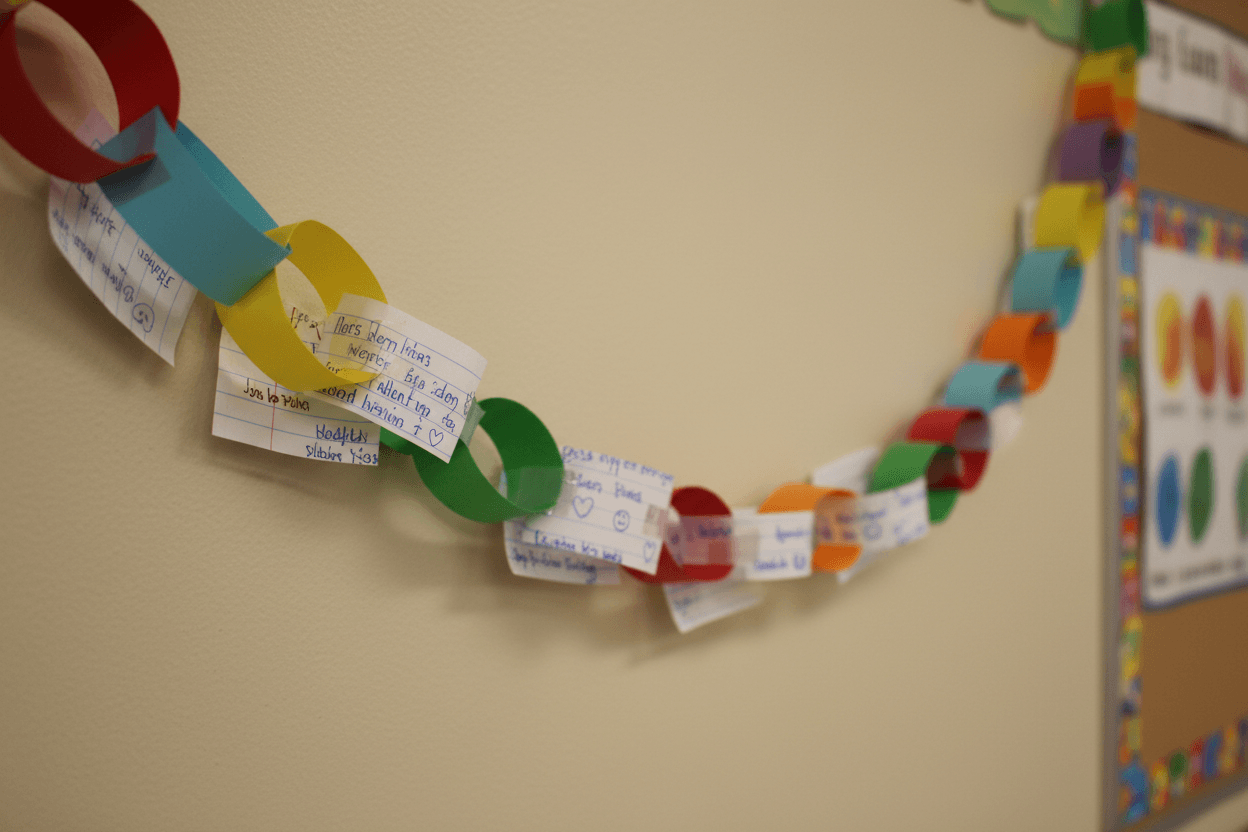
Character education newsletters tend to drift toward the bulletin board version of themselves. A trait of the month, a cheerful definition, three quotes from famous people, a reminder to "model good character at home." Parents do not read them. Teachers do not enjoy writing them. The fix is not more polish. It is fewer abstractions and more specific student stories. This template gives you the structure.
The monthly arc
Character traits land when they are repeated, named, and then repeated again in different contexts. A monthly arc with three newsletters does this without overwhelming anyone:
- First week: Introduce the trait. One paragraph naming it in plain language. One paragraph on what students will be practicing this month. One specific parent prompt for the dinner table.
- Mid-month: Two short stories from the classroom showing the trait in action. No moralizing. Just the moment.
- End-of-month: What changed. Often this is the shortest one. A paragraph naming what students did differently this month and what is coming next.
Plain definitions, not slogans
"Respect means treating people the way you want to be treated" is a slogan. Slogans do not change behavior. Try this instead: "Respect means listening when someone else is talking, even when you disagree, and asking before you take something that is not yours." That is operational. A child can hear it and know what to do.
Stories first, lesson second
Lead every section with a 60- to 100-word story from the classroom. End with one sentence naming the trait it illustrates. Reverse the order and the newsletter reads like a sermon. Front-load the story and parents read all the way through.
A worked example for the trait of responsibility
On Tuesday morning, the class hamster's water bottle was empty. Three students walked past it. One stopped, refilled the bottle, and reattached it without anyone asking. When I mentioned it later, the student said, 'It is on the chart. That is my week.'
That moment is what we mean by responsibility this month. Doing the thing that is yours to do, on time, without waiting for a reminder. At home, you can build this with one chore that belongs only to your child this month, with the expectation that you will not remind them about it. They either do it or they live with the result.
Pick traits that match the season
Generic trait calendars (responsibility in September, respect in October, kindness in November) are fine, but matching traits to what is actually happening in your school works better. Perseverance during the winter testing window. Inclusion in the weeks before a major assembly. Citizenship before student council elections. Tying the trait to a real context gives parents and kids a reason to care.
Trim the quote section
A famous-person quote at the bottom of a character newsletter is the most skipped element in any school communication. Drop it. If you want a closing line, write your own. "We will keep practicing this through next week. Watch for it at home." That outperforms an Eleanor Roosevelt quote in every test we have seen.
Subject lines that earn opens
"Character Trait of the Month: Honesty" is a label. Labels get ignored. "Why Sofia came back with the markers" is a story seed. Story seeds get clicked. Use the subject line to tease the student moment, not to announce the curriculum unit.
How Daystage helps with character education newsletters
Daystage gives you the monthly arc as a built-in structure. Pick the trait, type your three short classroom moments, and the template handles the formatting, the parent prompt slot, and the subject line. The first-week, mid-month, and end-of-month versions are all preset, so the entire monthly cycle takes about 25 minutes of writing instead of three hours of fighting with a Word doc.
Get one newsletter idea every week.
Free. For teachers. No spam.
Frequently asked questions
Should a character education newsletter focus on one trait per month?
One trait per month is the standard cadence and it works. Pick the trait at the start of the month, name it in plain language in your first newsletter, then send a mid-month and end-of-month update with specific student stories that show the trait in action. Switching traits every two weeks does not give parents enough repetition to reinforce the language at home.
What if your school uses Character Counts or another branded program?
Name the program once and link to its public page so parents can look it up. Then drop the brand language. The Six Pillars of Character framework is fine internally. Parents do not need to memorize the pillars. They need to know that this month their child is learning what trustworthiness looks like and that they should ask about it at dinner.
How do you write about character without sounding preachy?
Tell stories about kids, not about virtues. 'Trustworthiness means keeping your word' is a sentence parents glaze over. 'On Wednesday, Sofia told her group she would bring the markers. She forgot. On Thursday, she came in with the markers and apologized to the group before they asked.' That is the same lesson, embedded in a story, and parents finish reading it.
Should student names be used in a character education newsletter?
Use first names only after you have a signed photo and name release on file for the family. If you have not collected those at the start of the year, refer to students as 'one student' or 'two of our fourth graders.' Never use last names. The story carries the lesson regardless of whether the child is named.
Can Daystage produce a character education newsletter every month?
Yes. Daystage gives you a monthly character education template with the trait, three story slots, and one parent prompt. You jot down what happened in class and Daystage drafts the newsletter in plain language. The whole monthly cycle (start of month, mid-month, end of month) is preset so you are not designing the structure each time.

Adi Ackerman
Author
Adi Ackerman is a former classroom teacher and curriculum writer with 8 years in K-8 schools. She writes about school communication, parent engagement, and what actually works in real classrooms.
More for Social-Emotional Learning
Ready to send your first newsletter?
3 newsletters free. No credit card. First one ready in under 5 minutes.
Get started free