

SEL Newsletter on School Transitions: What to Send Home
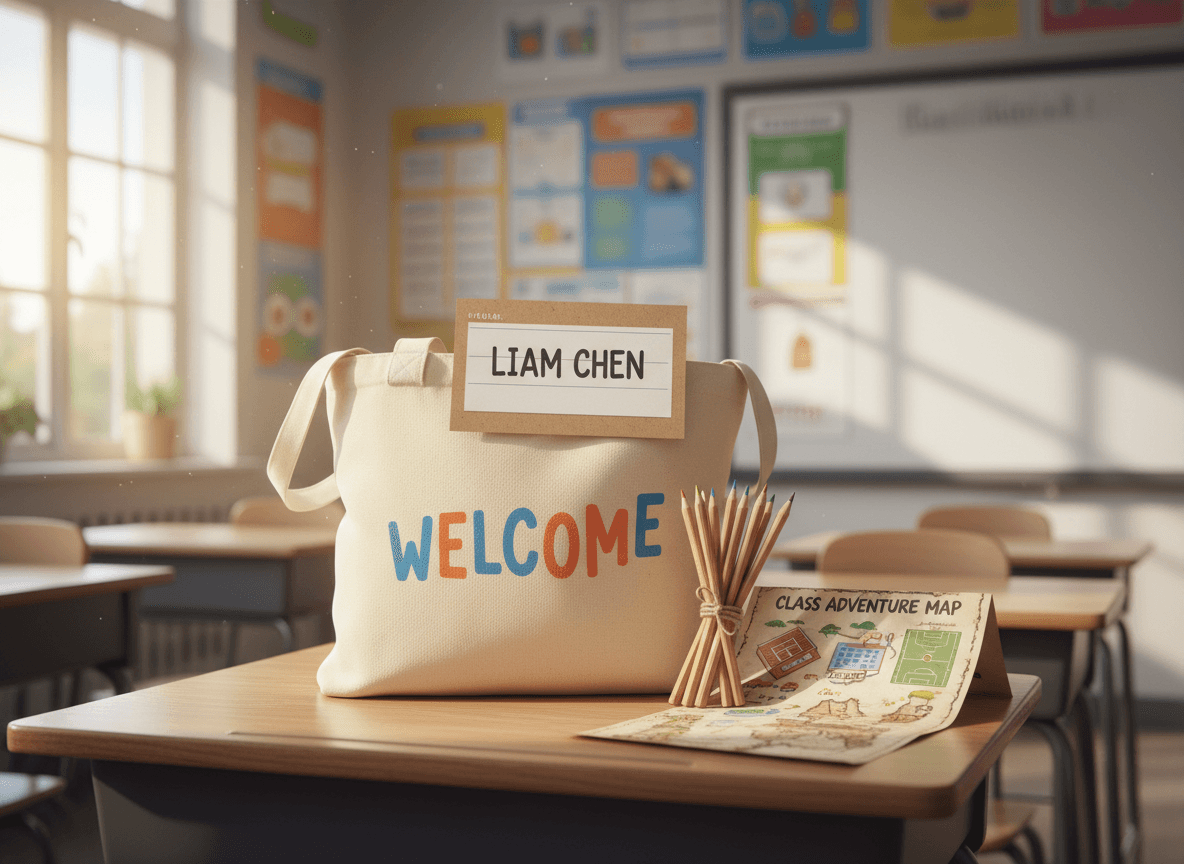
New students arrive at every grade level, in every month of the year. A family moves. A custody arrangement changes. A school rezones. The student walks into a classroom that already has its routines, its inside jokes, and its seating chart. The first week decides whether they feel welcome or invisible. A short SEL newsletter to families, sent the day before, is one of the cleanest ways to set that week up right.
Tell families a new student is joining
Open the newsletter with one sentence. "On Wednesday we welcome a new student to our class." Use their first name only if the family has agreed in writing. Otherwise hold the name and use it in person on the first day. Privacy matters more than the cute opener.
The buddy routine
Explain the buddy idea in plain language so parents understand what their kid is being asked to do. The buddy is the student who walks with the new kid to lunch, shows them where the bathroom is, and sits next to them during the first morning meeting. The job lasts about a week. After that, the new student is part of the class and the buddy goes back to their normal seat. Tell parents who the buddy is, so they can ask about it at dinner.
Pick the buddy in advance, not on the morning of. A buddy who is nervous about the role does not help anyone. Ask the student privately the day before and check that they want to do it.
What we are telling the class
Be transparent with families about the script the class will hear. "Tomorrow we have a new student joining us. Their name is Eli. They moved from Phoenix. We are going to make them feel welcome. Sasha is going to be their buddy for the first week. Everyone else, your job is to say hi and ask if they want to play at recess." Three short instructions. No long lecture about kindness.
A short example
Here is what a parent section can look like:
Last month, Marcus joined our class halfway through the unit. On his first day, his buddy Theo showed him the cubby system, walked him to lunch, and saved him a seat at the rug. By Friday, Marcus was raising his hand in math and asking Theo to play four-square at recess. The buddy routine works because it is simple and short, not because it is elaborate.
Talk at home this week
Give parents one specific prompt. "Tonight, ask your child what they would want a new kid to know about our class on the first day." Then let them listen. Kids will say things like where the good pencils are, who plays soccer at recess, and which lunch table is loud. Those are the things that matter to an eight-year old. The answers are useful for the buddy too.
Transitions other than new arrivals
Transitions include kids leaving the class as well. If a student is moving, name it. "We are saying goodbye to Lila on Friday. Her family is moving to Denver. We will write her cards on Thursday afternoon." Naming it lets the class process the goodbye instead of arriving Monday confused. Transitions also include returning students. A child back after a long absence is a transition too. Same playbook: heads up, a buddy for a day, a calm welcome.
Loop in the school counselor
Mention the counselor by name and let parents know they are available for any child who is having a hard time with the change. For the new student, an initial check-in with the counselor in week one is a kindness, not a flag. Frame it that way in the newsletter so families do not assume the counselor only sees kids in crisis.
How Daystage helps with transitions newsletters
Daystage has a school transitions template with the welcome section, the buddy explanation, the at-home prompt, and the counselor reference already structured. You add the new student's first name, the start date, and the buddy's name. Daystage drafts the newsletter in your voice. You send it home the night before. The new family sees that the school has a plan before they walk in.
Get one newsletter idea every week.
Free. For teachers. No spam.
Frequently asked questions
When should the transitions newsletter go home?
Send it the day before or the morning of the new student's first day. The class needs the heads-up. The new family needs to see that the school has a plan. Waiting a week is too late. The first week is when patterns set.
What do you tell the rest of the class about a new student?
Keep it simple. Name first, where they moved from if the family is comfortable sharing, and one neutral thing they like. Skip the rest. Kids do not need the backstory. They need a name, a face, and permission to be friendly.
Should the buddy be a strong student or a kind one?
A kind one. The buddy's job is to show where the bathroom is, who sits where at lunch, and how the line-up works at recess. Academic strength has nothing to do with it. Pick the student who notices when someone is left out and naturally walks over.
What if the new student does not speak English yet?
Tell the class that day. Show them how to gesture, point, and use the translation app on a tablet if the school has one. Pair them with a buddy who is patient and willing to slow down. Loop in the school's EL teacher in the newsletter so parents know there is academic support too.
Can Daystage help draft a transitions newsletter?
Daystage has a school transitions template that covers the new student welcome, the buddy routine, and the parent prompts in one structure. You add the first name and the start date. It drafts the rest in your voice in under ten minutes.

Adi Ackerman
Author
Adi Ackerman is a former classroom teacher and curriculum writer with 8 years in K-8 schools. She writes about school communication, parent engagement, and what actually works in real classrooms.
More for Social-Emotional Learning
Classroom Community Building Newsletter: What to Send the First 30 Days
Social-Emotional Learning · 6 min read
SEL Newsletter for Teachers: Communicating Without the Buzzwords
Social-Emotional Learning · 6 min read
Character Education Newsletter Template Without the Cliches
Social-Emotional Learning · 6 min read
Ready to send your first newsletter?
3 newsletters free. No credit card. First one ready in under 5 minutes.
Get started free