
SEL Newsletter on Inclusion and Belonging: A Template
Inclusion newsletters fail when they reach for the big words. Belonging is a thing kids feel. It cannot be summarized in a mission statement. The ones that work describe the small daily moves that build belonging and skip the abstract framing.
Cultural visibility, one shelf at a time
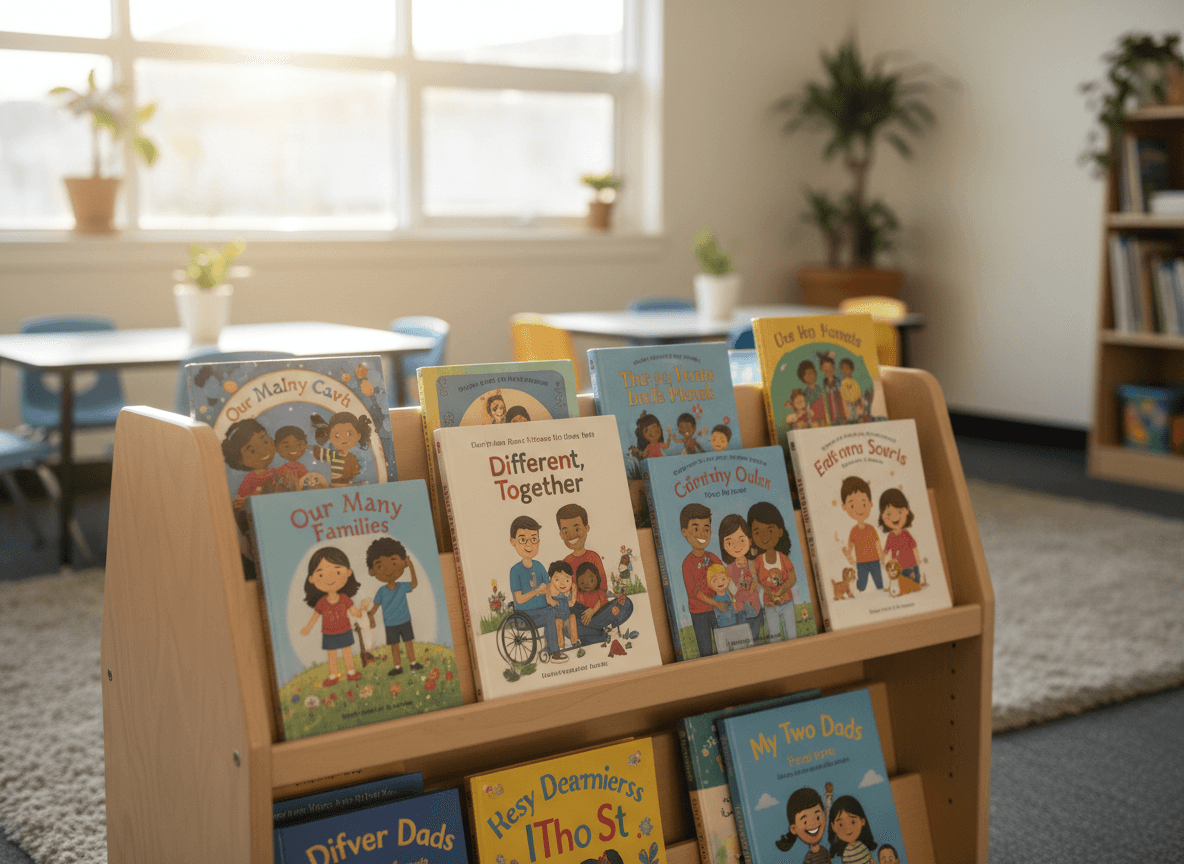
Every kid should see themselves in the classroom. That is the rule. Look at your library shelf and ask whose stories are on it. If half your students are from immigrant families and zero of your picture books feature immigrant kids, that is a fixable problem. Tell parents what you found and what you added. "I looked at our classroom library this month and added five new picture books. Two feature kids who speak two languages at home. One has a main character who uses a wheelchair." That is concrete enough for parents to do the same scan at home.
The new-student protocol
Most kids who join a class mid-year arrive scared. A short protocol changes the first week. Two students assigned as guides, one for specials and one for lunch. A seat at a welcoming table near the front. A brief meeting between teacher and family in the first three days. Parents whose own kids are not on the guide rotation still want to know this is the practice. Mention it in your first newsletter of the year and again any week a new student joins.
Belonging is daily, not annual
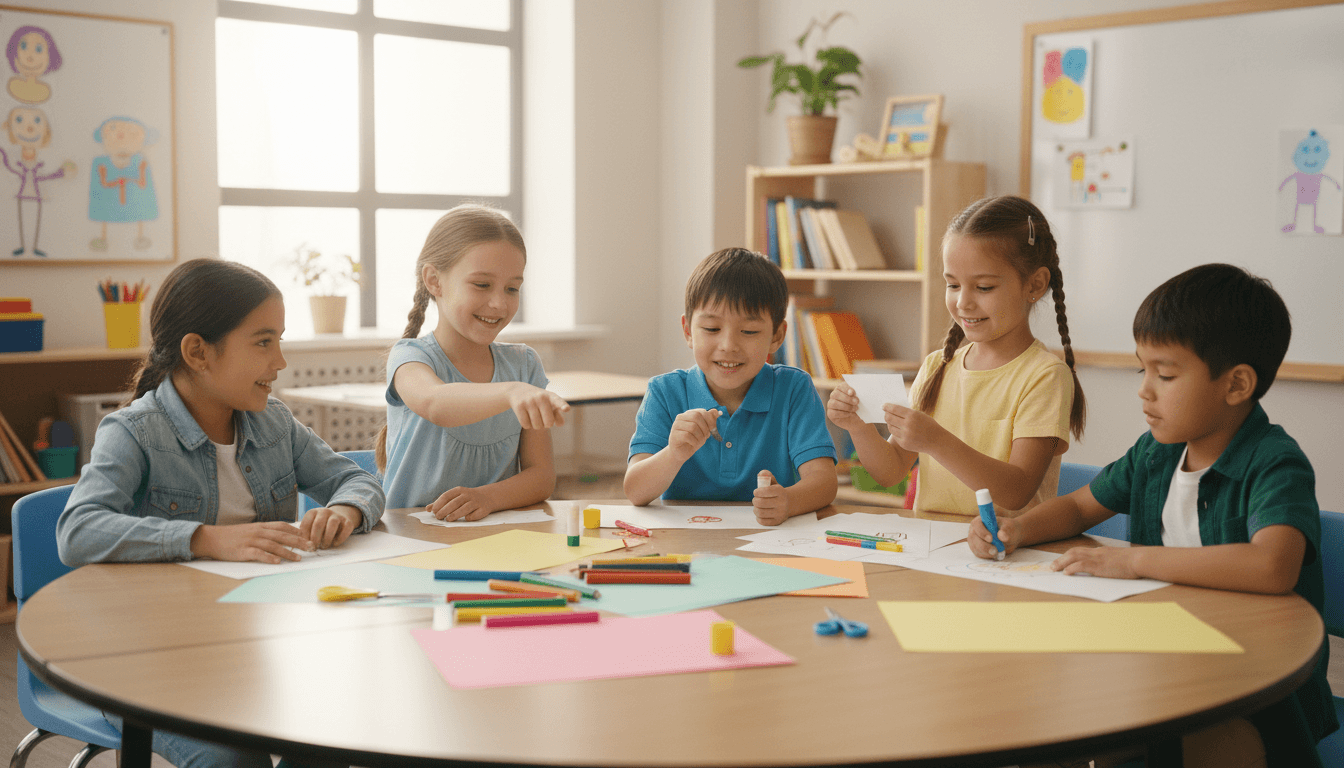
One assembly a year does not build belonging. A morning meeting where every kid speaks once does. A class job rotation where every kid has a role does. A teacher who calls on every kid by name does. The newsletter is the place to describe these small routines so parents can see that inclusion is something the class does, not something the school says.
What to say about a kid who is being left out
If a child is on the outside of the social group, the parent often hears about it before the teacher does. Write one sentence in the newsletter that opens the door. "If your child has been telling you something about recess or lunch lately, please email me. I would rather know early than late." That sentence converts more parent contact than any survey.
A short example
Here is the kind of section that works:
On Monday a new student, Layla, joined our class. By the end of the day she had been to art class with her guide, eaten lunch with two students at the welcoming table, and presented her name story during morning meeting (her name means "night" in Arabic). On Tuesday three different students asked if she wanted to sit with them at lunch. That is the kind of week we aim for when a new kid arrives. Most weeks land closer to it because we plan for it.
At home, you can build belonging by asking your child to name one classmate they sat with at lunch and one they did not. The point is to notice, not to schedule.
Language traps to avoid
Skip "diversity, equity, and inclusion" as a phrase in parent communication. Use the words your community uses. "We want every kid in this class to feel known" is plainer and lands wider. Save the policy language for policy documents.
How Daystage helps with inclusion newsletters
Daystage was built for newsletters that need careful language. You type three short notes about what your class practiced this week. Daystage drafts a parent-ready newsletter, keeps the tone concrete, formats the email, and sends it to every family on your class list. The inclusion template avoids buzzwords by default and asks you for specifics it can build around.
Get one newsletter idea every week.
Free. For teachers. No spam.
Frequently asked questions
What does inclusion look like in an elementary classroom?
Two practical pieces. Every kid sees themselves in the room (in books, on the walls, in the curriculum), and every kid has at least one structured way to be part of the group every day. Belonging is built through small daily acts, not one assembly a year.
What is the classroom library check?
A quick audit of your classroom library to see whose stories are on the shelf. If half your students are from immigrant families and zero of your picture books feature immigrant kids, that is a fixable problem. The newsletter is a good place to mention you did this and what you added.
What is the new-student protocol?
A short routine for any kid who joins the class mid-year. Two students assigned as guides for the first week, a seat at a welcoming table, a brief meeting between the teacher and the family. Parents want to know this exists. Describe it in your first newsletter and again any time it gets used.
How do you write about inclusion without sounding preachy?
Skip the abstract framing. Describe the thing you did. 'We added five new picture books this month featuring characters who use wheelchairs, speak two languages at home, or have two moms' is a sentence. 'We are committed to a culture of belonging' is not. Concrete beats noble every time.
Can Daystage help write an inclusion newsletter?
Daystage drafts a parent newsletter from a few short notes about what your class did this week, formats the email, and sends it to every family on your roster. The inclusion template keeps the language concrete and avoids the buzzword traps that make this topic hard to write about.

Adi Ackerman
Author
Adi Ackerman is a former classroom teacher and curriculum writer with 8 years in K-8 schools. She writes about school communication, parent engagement, and what actually works in real classrooms.
More for Social-Emotional Learning
Classroom Community Building Newsletter: What to Send the First 30 Days
Social-Emotional Learning · 6 min read
Character Education Newsletter Template Without the Cliches
Social-Emotional Learning · 6 min read
SEL Newsletter for Teachers: Communicating Without the Buzzwords
Social-Emotional Learning · 6 min read
Ready to send your first newsletter?
3 newsletters free. No credit card. First one ready in under 5 minutes.
Get started free