
Second Grade SEL Newsletter: A Working Template
Second grade SEL newsletters that work are short, specific, and written like the teacher is talking to one parent at the kitchen counter. Not a research summary. Not a unit recap. A teacher who knows seven-year-olds describing what those seven-year-olds did this week. Here is the template, with the sections that earn the open and the ones that do not.
Section one: one feeling word
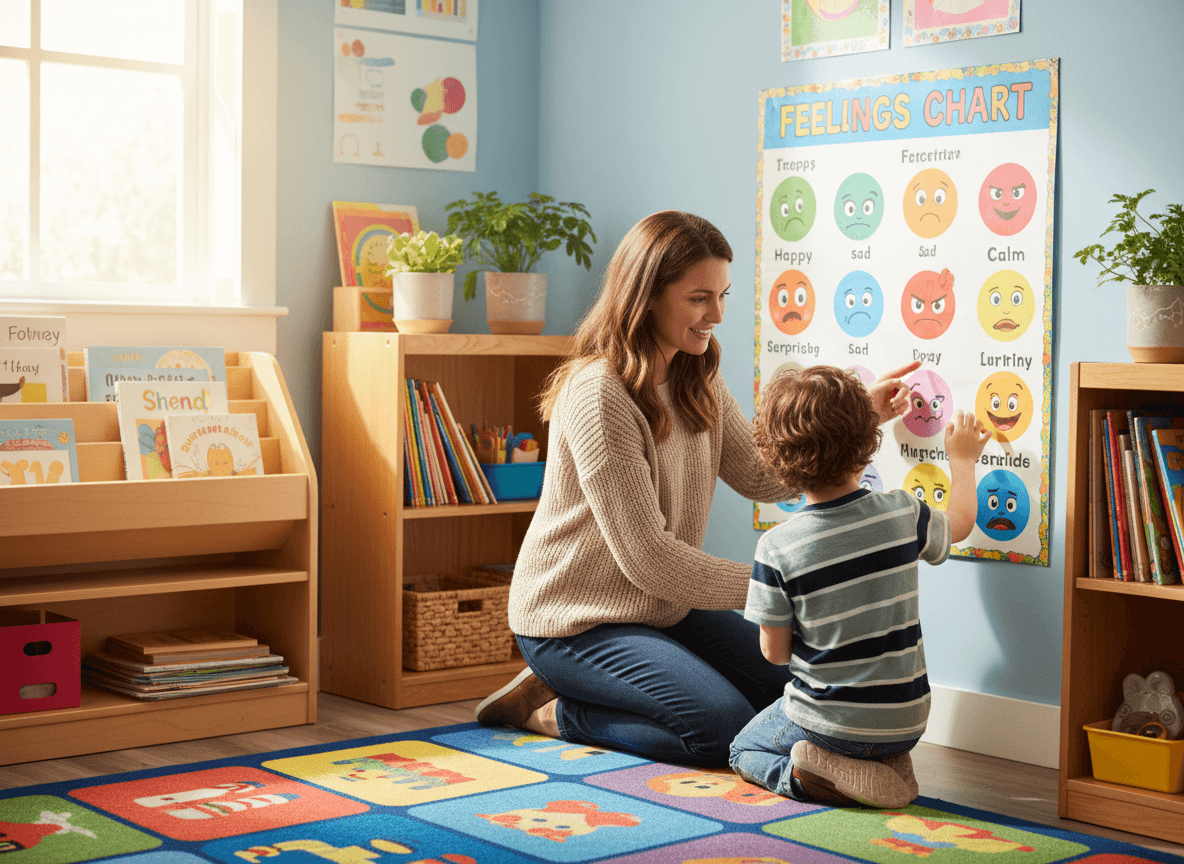
Pick one feeling word the class learned this week. Frustrated. Disappointed. Worried. Proud. Embarrassed. Name the word, then give one sentence about what it means in second grade terms. "Frustrated is the feeling you get when you really want something to work and it keeps not working." Parents who see the word in writing start using it at home. That repetition is what makes the vocabulary stick.
Section two: the calm corner or routine you used
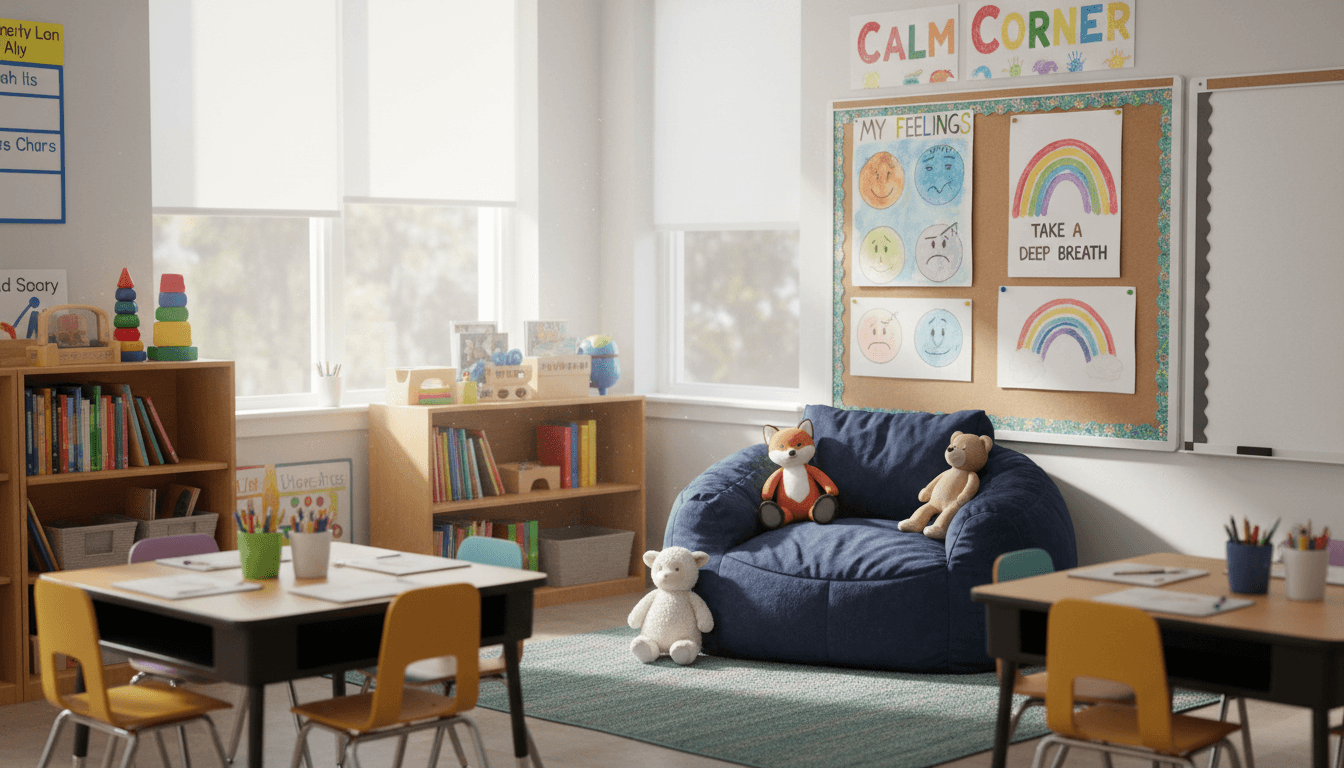
Second graders need a place in the classroom where their body can settle. The calm corner. The breathing chair. The peace-rose table. Whatever you call it, describe how it works. "When a student feels their body getting too big for the moment, they walk to the calm corner. They sit. They use the breathing card. They come back when they are ready." Three sentences. That is enough.
Section three: a moment from the week
This is the section parents read first. One short story from the week, two or three sentences, that shows the skill in practice. "On Wednesday, a student got upset that the partner she wanted was already taken. She walked herself to the calm corner. She came back two minutes later and asked a different friend to be her partner. That is exactly what we have been practicing."
Why small problems are real to a seven-year-old
Adults forget. A second grader losing the green marker is, in that moment, the most important thing happening to them. A newsletter that takes those small problems seriously, instead of writing them off as drama, teaches parents to do the same. Reassuring a parent that their child's big reaction was real and was handled is more useful than any framework summary.
Section four: one prompt for home
Give parents one specific thing to try. "Tonight at dinner, ask your child to teach you the calm corner. Have them show you what you do when you sit there." Specific prompts produce actual conversations. Generic prompts ("ask about feelings") produce nothing. Script it. Parents will follow the script.
Subject lines that get opened
"What we did when the green marker ran out" beats "Weekly Update Week 9" every time. "How we handled three meltdowns this week" gets opened. "Second Grade News" gets ignored. Lead the subject line with the story, not the format. Even for second grade, treat the subject line like the headline of a short article. The story is what earns the click.
What to leave out
Skip the curriculum brand name. Skip the policy reminders. Skip the lunch menu. Those belong in a separate operational email if you send one. The SEL newsletter is the place parents come to understand who their child is becoming, not what the class is doing on Friday. Keep it for that.
How Daystage helps with second grade SEL newsletters
Daystage was built for teachers who need to send a weekly newsletter without spending an hour writing it. The second grade SEL template has the four sections preset. You type a few short lines about the feeling word, the routine, the moment from the week, and one prompt. Daystage drafts the newsletter in plain language, with a subject line that earns the open. Your class roster lives in one place. Sending takes one click. Most teachers spend under ten minutes per issue.
Get one newsletter idea every week.
Free. For teachers. No spam.
Frequently asked questions
Is second grade too young for a real SEL newsletter?
Seven-year-olds have small problems that feel huge. Someone took the marker they wanted. A friend sat with someone else at lunch. A parent who knows about the calm corner and the feelings vocabulary can echo the same language at home. That alignment is the whole point. Second grade is the right age to start because the patterns parents reinforce now hold for years.
What should a 2nd grade SEL newsletter actually include?
One feeling word the class learned this week, one routine you used in the classroom (calm corner, breathing trick, partner-share), one moment from the week that shows the skill, and one short prompt parents can try at home. Four sections. Keep each one to three or four sentences.
How do you write about the calm corner without it sounding like a punishment?
Describe it the way the kids describe it. The calm corner is the place students go when their body feels too big for them. They go on their own. They come back when they are ready. No timer, no consequence, no log. Parents who get that framing in writing stop asking whether their child got 'sent to the corner' and start asking what their child noticed about their own body.
What if a parent says they do not use feelings language at home?
Some families do not. That is fine. The newsletter does not ask them to change how they parent. It tells them what their child is learning and gives them the words if they want them. A parent who reads 'we practiced the word frustrated this week' has the word available the next time their child melts down. They can use it or not.
Can Daystage handle a weekly second grade SEL newsletter without it taking over the week?
Daystage stores a second grade SEL template with the four sections preset. You type three or four lines about what happened in class, and Daystage drafts the newsletter in plain language. Most teachers send the weekly issue in under ten minutes. The class roster lives in one place. Sending is one click.

Adi Ackerman
Author
Adi Ackerman is a former classroom teacher and curriculum writer with 8 years in K-8 schools. She writes about school communication, parent engagement, and what actually works in real classrooms.
More for Social-Emotional Learning
SEL Newsletter for Teachers: Communicating Without the Buzzwords
Social-Emotional Learning · 6 min read
Classroom Community Building Newsletter: What to Send the First 30 Days
Social-Emotional Learning · 6 min read
Character Education Newsletter Template Without the Cliches
Social-Emotional Learning · 6 min read
Ready to send your first newsletter?
3 newsletters free. No credit card. First one ready in under 5 minutes.
Get started free