
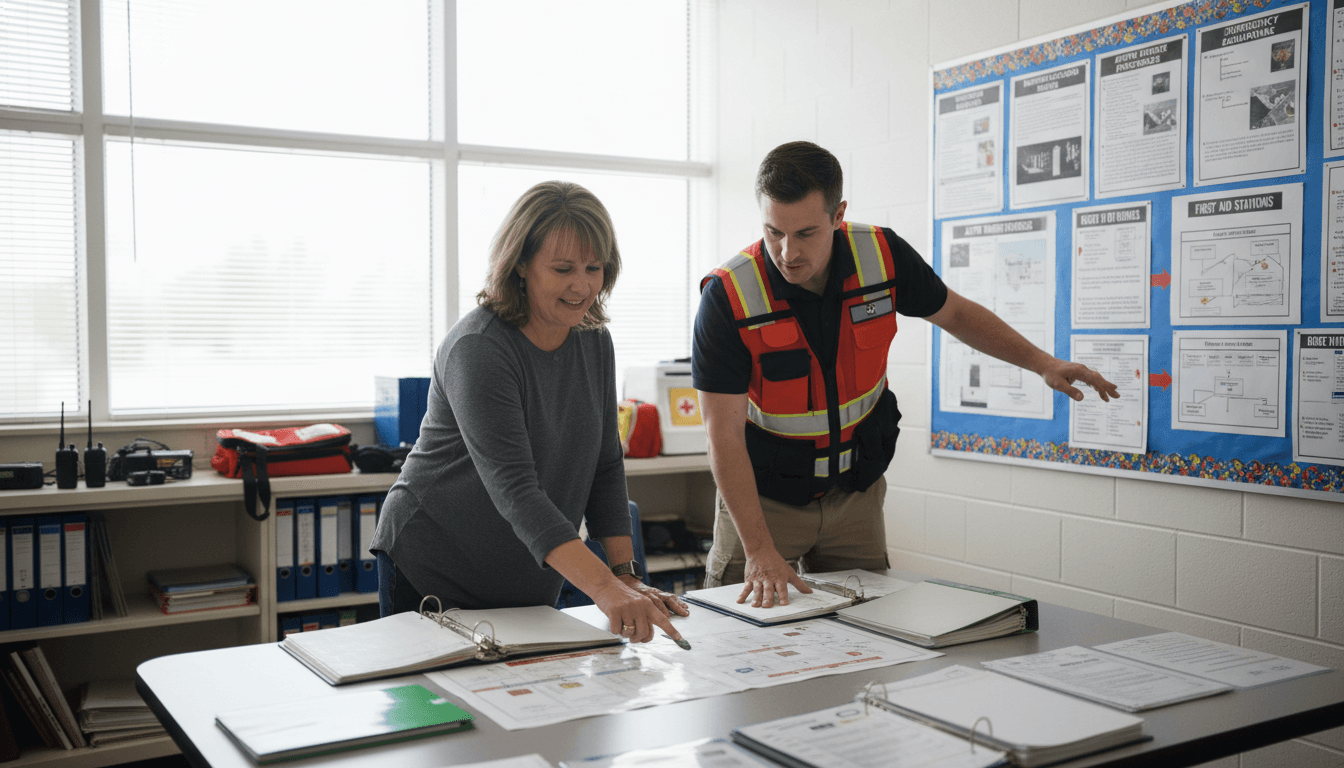
Safe School Reporting System Newsletter: Building a Culture Where Students and Families Report Concerns
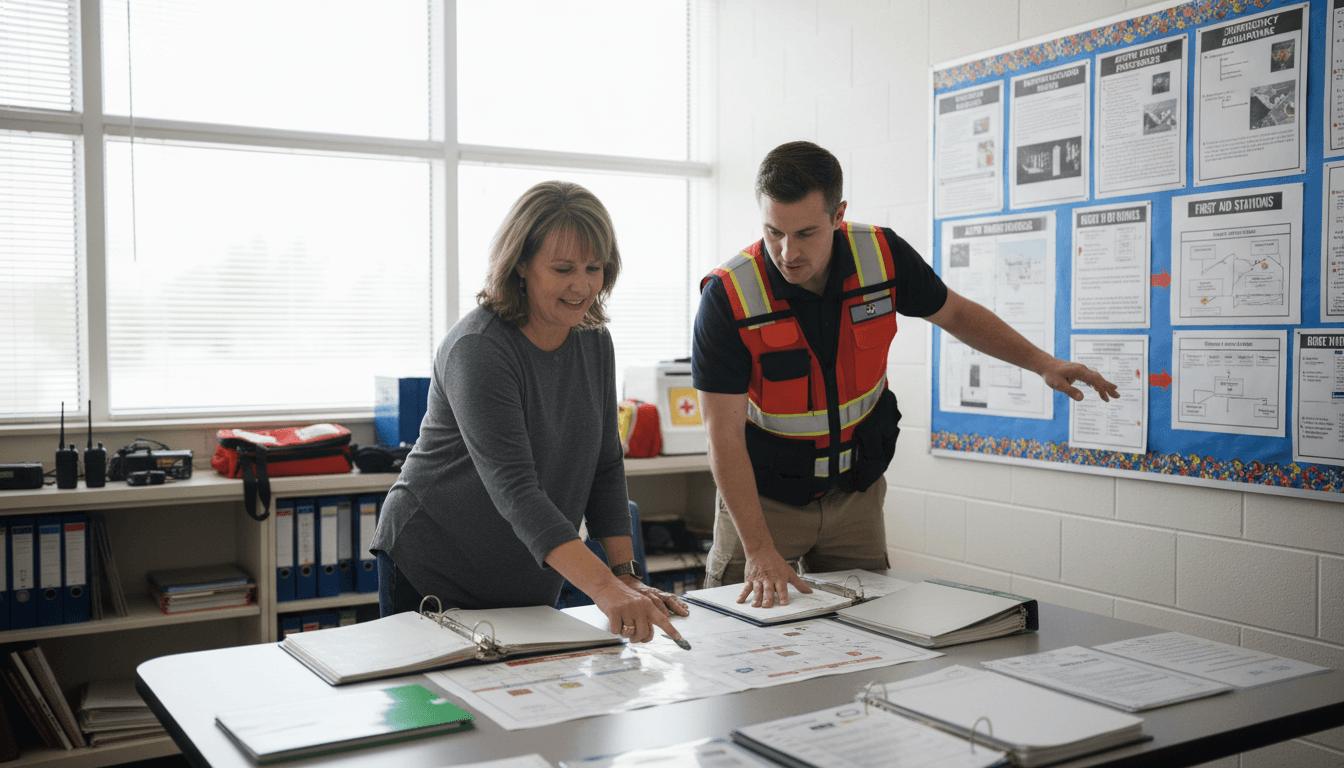
Under-reporting is the single greatest barrier to school safety. Students who witness concerning behavior or hear threatening statements make a series of rapid judgments about whether to report: will anyone take it seriously, will I get in trouble, will my identity be exposed, will something actually happen. When the answers to these questions are uncertain, most students stay silent.
A newsletter that answers these questions in advance removes the barriers to reporting before they come up.
How the Reporting System Works
Describe the specific reporting mechanism your school uses. Online form, phone tip line, or both. Whether reports can be made anonymously. Who receives reports and when. What the response process looks like and how quickly the school follows up. What types of concerns the system handles.
This description should be specific enough that a student or parent can access and use the system without additional guidance.
What Counts as a Reportable Concern
Many students and families do not know what is appropriate to report. Provide specific examples: a classmate who made a threatening statement, someone who posted concerning content online about harming themselves or others, suspicious items left in the building, information about weapons being brought to school, or knowledge of a planned fight.
Also address what to do when you are not sure. "When in doubt, report. Our team reviews every report. Most reports turn out to be benign or involve a student who needs support, not a threat. You will never be in trouble for reporting something that turns out to be a misunderstanding."
Confidentiality Protections
The newsletter must address the identity question directly. Who sees reports. Whether a reporter's name is attached to a report. What happens if a reporter's identity is inadvertently revealed. Specific, honest answers to these questions are more reassuring than vague statements about confidentiality.
Outcome Communication
Annual reporting on how the system was used builds confidence that reports are taken seriously. Aggregate data that shows reports are reviewed and result in action motivates future reporting more than any marketing of the system.
Get one newsletter idea every week.
Free. For teachers. No spam.
Frequently asked questions
What is a safe school reporting system and why does it matter?
A safe school reporting system allows students, families, and community members to report safety concerns anonymously or confidentially. Research on school violence prevention consistently shows that in most cases of targeted school violence, someone knew something was wrong before the incident occurred. A reporting system creates a pathway for that knowledge to reach the people who can act on it.
How do you promote a reporting system without making students feel like they are informants?
Frame reporting as an act of care for a struggling or concerning peer, not as surveillance or rule enforcement. 'If you are worried about someone, tell us. We can help them' is a different message than 'if you see something suspicious, report it.' The first framing builds a culture of mutual concern. The second builds a culture of suspicion.
What assurances do students and families need before they will use a reporting system?
Confidentiality: who sees the report and how is the reporter's identity protected. Outcome: what happens after a report is made. Non-retaliation: what protections exist for reporters if their identity is discovered. Response time: how quickly will someone follow up. Each of these questions represents a potential barrier that the newsletter should address directly.
What should a school report in a newsletter about how the reporting system has been used?
Aggregate data without identifying details. 'This year, the school received 47 reports through the reporting system. Forty-three were reviewed and resulted in a counseling outreach, disciplinary response, or no action required. Four were referred to law enforcement.' This shows the system is working without compromising any specific case.
How does Daystage support reporting system communication?
Safety coordinators use Daystage to send annual reporting system awareness newsletters with a clear link or instructions for the reporting system. The consistent annual communication keeps the system visible and builds the expectation that reporting is a normal part of school safety culture.

Adi Ackerman
Author
Adi Ackerman is a former classroom teacher and curriculum writer with 8 years in K-8 schools. She writes about school communication, parent engagement, and what actually works in real classrooms.
More for School Safety
Cyberbullying Prevention Newsletter: What Schools Communicate to Families About Online Safety
School Safety · 6 min read
School Bathroom Supervision Newsletter: Communicating Student Safety Policies in Unsupervised Spaces
School Safety · 5 min read
School First Aid and AED Newsletter: Communicating Medical Emergency Preparedness to Families
School Safety · 5 min read
Ready to send your first newsletter?
3 newsletters free. No credit card. First one ready in under 5 minutes.
Get started free