

Rhode Island School Safety Newsletter: Coastal Storms, Drills, and Family Communication
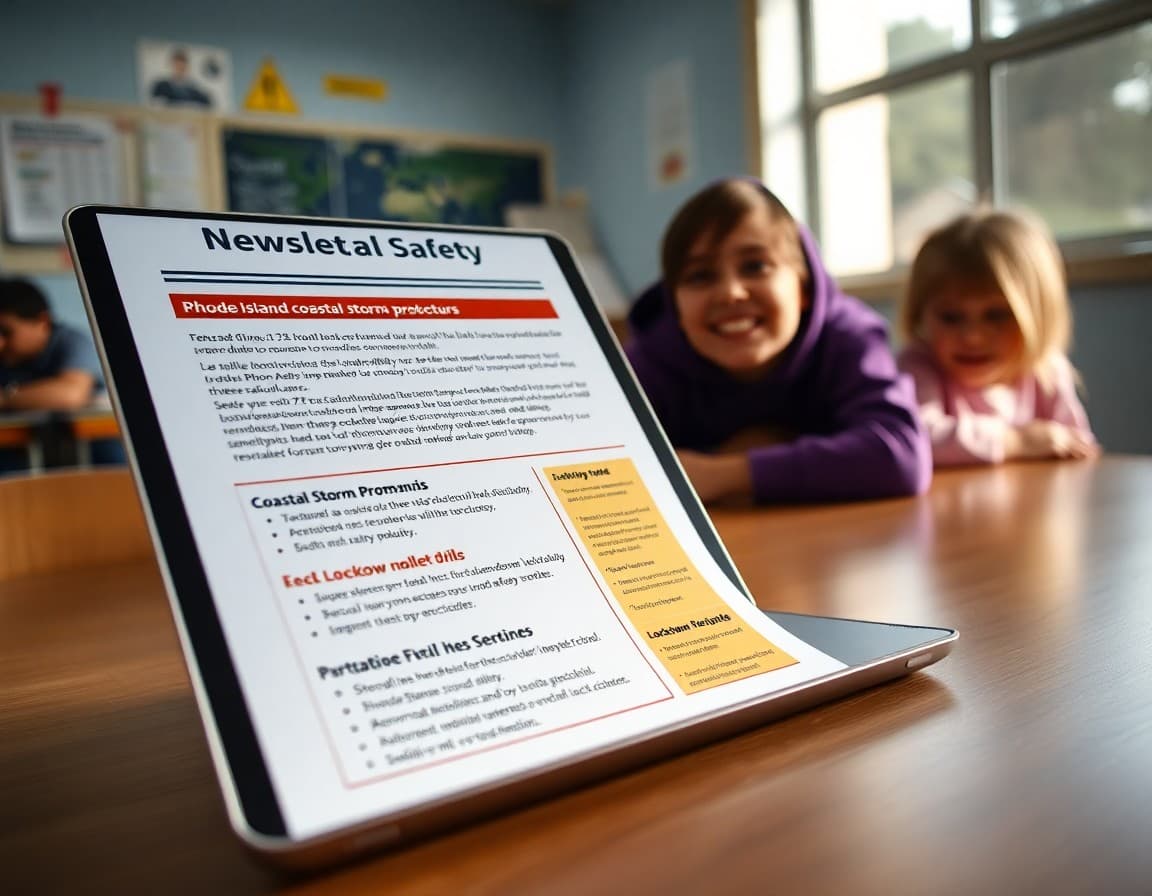
Rhode Island is the smallest state in the country, and its school safety communication context reflects that density. Communities are closely connected. Word travels fast. An official communication that arrives before rumors does is significantly more effective than one that arrives after families have already pieced together their own version of events. For Rhode Island schools, the speed and consistency of safety communication matters more than it might in a less densely connected state.
Here is how Rhode Island school administrators can build safety communication that meets that standard.
Coastal Storm Communication for Bay and Shore Schools
Schools near Narragansett Bay, the Providence River, or the Rhode Island coast face coastal storm and flooding risk during nor'easters and tropical systems. Send a coastal storm protocol communication at the start of the school year. Cover how closure decisions are made, the notification timeline, the alternate reunification site if the school is in a flood zone, and what to do if a storm arrives faster than forecast during school hours.
Nor'easter and Winter Weather Communication
Rhode Island nor'easters can be severe, combining heavy snow, high winds, and coastal flooding. Send a winter weather protocol communication in September. Cover the criteria and timeline for delays and closings, the specific notification channels, and the procedure for rapidly changing conditions. If the school uses a specific platform for emergency notifications, confirm families are enrolled before the first storm.
Lockdown Drill Communication in a Small State
Rhode Island's small geography means that a safety incident at one school quickly becomes community knowledge statewide. Send advance notice before every lockdown drill. Include the date, what students will practice, that teachers prepare students beforehand, and counselor availability. In a small state where families may know people at other schools, clear, specific official communication prevents confusion across communities.
Visitor Policy and Campus Access
Rhode Island schools, like other New England schools, have implemented comprehensive visitor management systems. When policies change, communicate in writing with an explanation. In small Rhode Island communities where informal practices have sometimes substituted for formal protocols, written communication that formalizes expectations is especially useful.
Reunification Communication
Cover your reunification protocol in at least one newsletter per year. For Rhode Island schools near the coast, include the alternate site if the primary is in a flood zone. Name the sites, describe the check-in process, and tell families what identification to bring.
Mental Health and Post-Incident Communication
When the school responds to a safety incident, send a brief factual communication quickly. In small Rhode Island communities where social networks spread information within minutes, official communication that arrives promptly shapes the narrative before rumors do. Keep the communication specific, factual, and focused on the response and available supports.
Daystage for Rhode Island School Safety Communication
Rhode Island principals who use Daystage for safety newsletters maintain consistent, professional communication that reaches families in the format they have come to recognize. In a state where community standards for institutional communication are high, consistent format is itself a credibility signal.
Get one newsletter idea every week.
Free. For teachers. No spam.
Frequently asked questions
What safety topics should Rhode Island school newsletters cover?
Rhode Island schools should address coastal storm and nor'easter protocols, winter weather including ice storms and heavy snow, lockdown and active threat drill schedules, visitor and campus access policies, and reunification procedures. Rhode Island is the most densely populated state with significant coastline, and coastal flooding from nor'easters and tropical storms is a real concern for many school communities.
How should Rhode Island coastal schools communicate storm protocols to families?
Schools near Narragansett Bay and the Rhode Island coast should send a coastal storm protocol communication at the start of the school year. Cover the conditions that trigger early dismissal or closure, how families will be notified, the alternate reunification site if the school is in a flood zone, and what to do if a storm develops faster than expected during school hours.
What Rhode Island school safety requirements affect family communication?
Rhode Island schools must maintain comprehensive school safety plans and conduct required drills. The Rhode Island Department of Education provides guidance on school safety planning. Safety newsletters should reflect current plan procedures and drill schedules. Rhode Island has strong state oversight of school safety and families in this small, closely connected state often have high awareness of safety standards.
How should Rhode Island schools communicate about lockdown drills?
Send advance notice before every lockdown drill with the date, drill type, what students will practice, that teachers prepare students beforehand, and counselor availability. Rhode Island's small geography means communities are closely connected, and safety communication that is transparent and specific is especially important in a state where word travels quickly.
What platform helps Rhode Island schools send safety newsletters?
Rhode Island principals and safety coordinators use Daystage to send structured safety newsletters with consistent format throughout the year. For small Rhode Island schools managing safety communication with limited staff, a reliable platform reduces the administrative burden while ensuring every family stays informed.

Adi Ackerman
Author
Adi Ackerman is a former classroom teacher and curriculum writer with 8 years in K-8 schools. She writes about school communication, parent engagement, and what actually works in real classrooms.
More for School Safety
School Safety Newsletter Guide: What Principals and Safety Coordinators Should Be Communicating All Year
School Safety · 7 min read
Lockdown Drill Communication Newsletter: What to Tell Families Before, During, and After
School Safety · 6 min read
School Weather Emergency Communication: What Families Need to Know Before a Storm Closes School
School Safety · 5 min read
Ready to send your first newsletter?
3 newsletters free. No credit card. First one ready in under 5 minutes.
Get started free