

North Dakota School Safety Newsletter: Blizzards, Remote Schools, and Family Communication
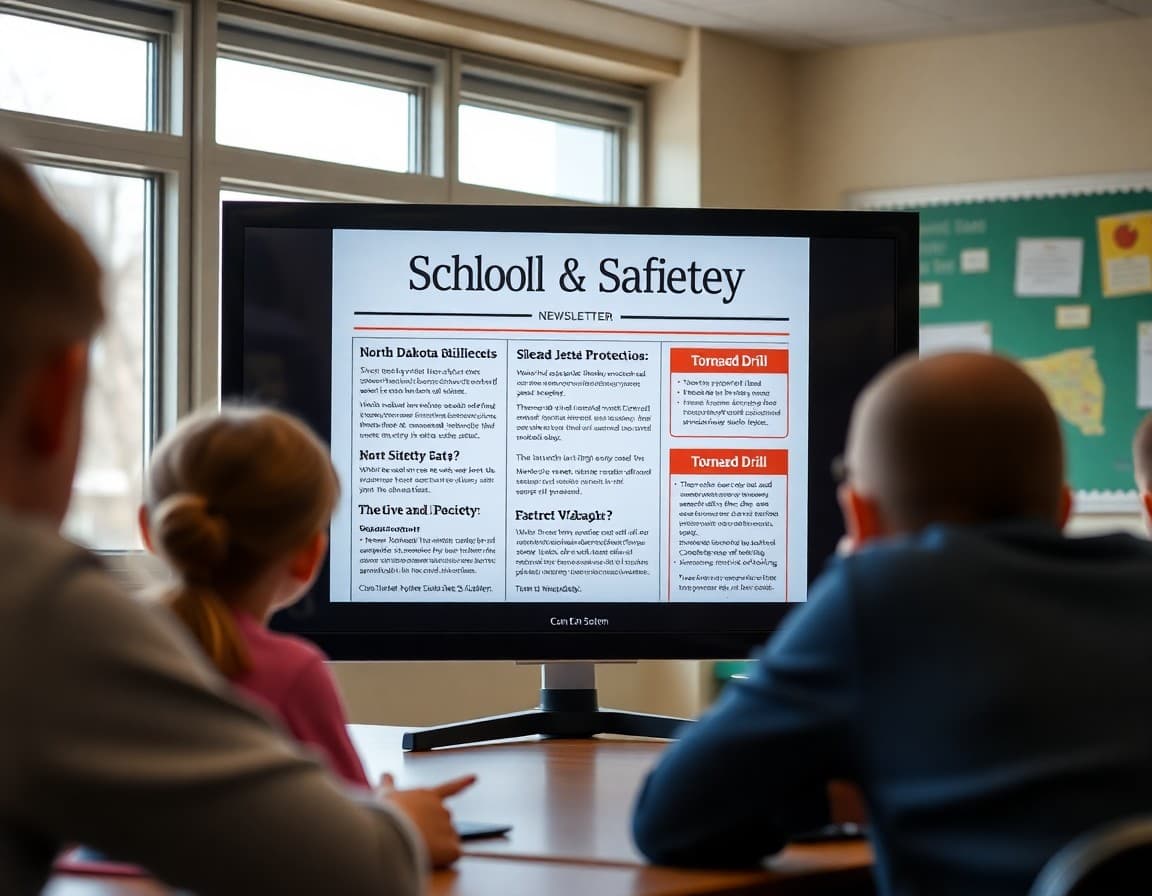
North Dakota school safety communication is shaped by the most extreme winter weather in the continental United States. When a blizzard arrives in North Dakota, it does not produce an inch of snow and some slick roads. It produces white-out conditions, wind chills below negative 40, and roads that become impassable within minutes. A safety newsletter that does not address this reality in specific, operational terms has missed the most important safety communication its families will ever need.
Here is how North Dakota school administrators can build safety communication that fits the actual conditions their communities face.
Blizzard Protocol Communication Is Your Most Critical Fall Newsletter
Send a comprehensive blizzard and severe winter weather protocol communication in early September before the season begins. Cover the criteria for school closings and early dismissals, who makes those decisions, the timeline families should expect, and the specific channels that carry those notifications.
Address the scenario that North Dakota families dread most: a storm that intensifies unexpectedly while students are in school. What does the school do if dismissal time arrives and conditions make bus transport unsafe? What is the shelter-in-place procedure? How will families be notified? When will students be allowed to leave?
Extended Cold and Wind Chill Communication
North Dakota wind chills can reach negative 50 degrees or below. Send a wind chill protocol communication that addresses the specific threshold for modifying outdoor activities, eliminating outdoor recess, and changing bus stop procedures. Students who wait outside for buses in extreme cold face real danger. Families need to know the school has a specific threshold, not just a general intention to keep students safe.
Spring Tornado and Flooding Communication
North Dakota's Red River Valley and other low-lying areas face significant spring flooding from snowmelt and river overflow. The state also sees tornado activity in late spring and summer. Send a spring safety communication that addresses both flooding procedures and tornado protocols before the active season begins.
Rural Emergency Response Honesty
Most North Dakota schools are in rural or frontier communities. Emergency response times are real limitations that families know about. Safety newsletters should address this directly: what trained staff are on-site, what medical resources are available in the building, and what protocols are in place for scenarios requiring extended self-sufficiency.
Lockdown Drill Communication
Send advance notice before every lockdown drill. Include the date, what students will practice, that teachers prepare students beforehand, and counselor availability. Small North Dakota school communities benefit from the same advance communication as larger districts, and written documentation of that communication matters regardless of community size.
Reunification in Winter Conditions
Cover your reunification protocol in at least one newsletter per year. Address the winter scenario specifically: whether the reunification space is heated, what happens if roads are impassable due to snow, and how the school communicates location changes during an active event.
Daystage for North Dakota Safety Communication
North Dakota principals who use Daystage for safety newsletters maintain consistent communication across a demanding winter calendar with limited staff resources. A reliable platform ensures that blizzard protocols, tornado drill notices, and security updates reach every family on schedule.
Get one newsletter idea every week.
Free. For teachers. No spam.
Frequently asked questions
What safety topics should North Dakota school newsletters address?
North Dakota schools face some of the most severe winter weather in the continental US, including multi-day blizzards and extreme cold. Spring brings tornado risk and flooding from snowmelt. Most North Dakota schools are in small or rural communities with extended emergency response times. Safety newsletters must address both the weather calendar and the realities of rural emergency response.
How should North Dakota schools communicate blizzard protocols to families?
Send a comprehensive winter weather protocol communication in early September before the season begins. Cover the criteria for school closings and early dismissals, the decision timeline, and the specific channels families should use for notifications. North Dakota blizzards can make roads impassable within an hour of a storm's arrival. Address what the school does when a storm intensifies faster than forecast while students are in the building.
How do North Dakota schools address extended emergency response times?
North Dakota rural schools should address response times honestly in safety communication. Families in frontier communities are aware that law enforcement or medical response may take significantly longer than in urban areas. Safety newsletters that describe what the school has prepared for extended-response scenarios, including trained staff and on-site medical resources, build more trust than those that imply urban-equivalent capacity.
What North Dakota school safety requirements affect family communication?
North Dakota schools must maintain school safety plans and conduct required drills. The North Dakota Department of Public Instruction provides guidance on safety planning. Safety newsletters should reflect current drill schedules, describe the notification system, and give families actionable information for both weather and security scenarios.
What platform helps North Dakota schools manage safety newsletter communication?
North Dakota principals and safety coordinators use Daystage to send structured safety newsletters with consistent format throughout the year. For small schools managing significant safety communication requirements with limited staff, a reliable platform reduces the administrative burden.

Adi Ackerman
Author
Adi Ackerman is a former classroom teacher and curriculum writer with 8 years in K-8 schools. She writes about school communication, parent engagement, and what actually works in real classrooms.
More for School Safety
School Safety Newsletter Guide: What Principals and Safety Coordinators Should Be Communicating All Year
School Safety · 7 min read
School Weather Emergency Communication: What Families Need to Know Before a Storm Closes School
School Safety · 5 min read
Lockdown Drill Communication Newsletter: What to Tell Families Before, During, and After
School Safety · 6 min read
Ready to send your first newsletter?
3 newsletters free. No credit card. First one ready in under 5 minutes.
Get started free