

Massachusetts School Safety Newsletter: What Families Need to Know Each Year
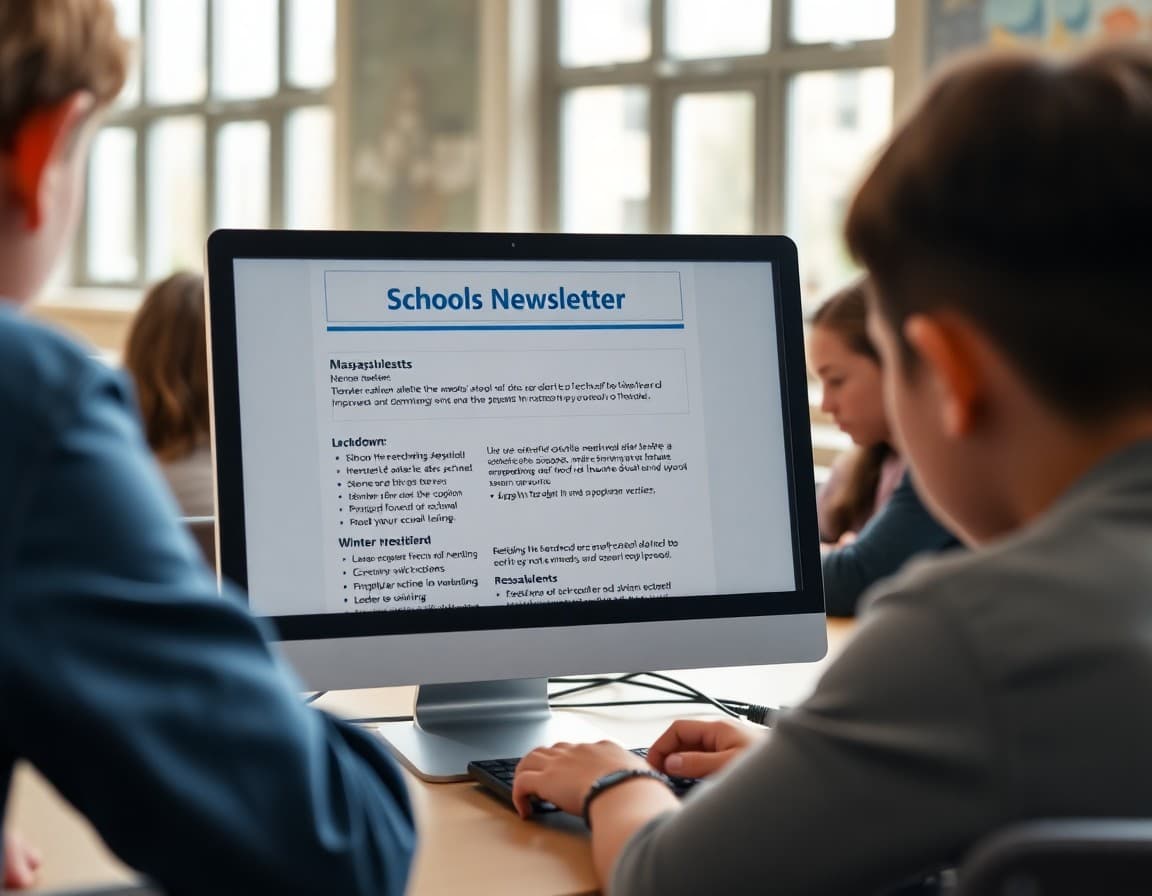
Massachusetts school families bring high expectations to safety communication. They expect specificity. They expect alignment with state guidance. They expect the school to have a plan, to have practiced it, and to communicate about it clearly before an emergency requires them to trust it. A Massachusetts school safety newsletter that is vague, infrequent, or generic will not meet those expectations.
Here is how Massachusetts school administrators can meet the standard their communities expect.
Lead With the School's Safety Plan Framework
Your first safety newsletter of the year should briefly describe the framework the school's safety plan uses. For schools using ALICE or a similar options-based framework, explain what that means: that students are taught to assess and respond to situations rather than follow a single lockdown protocol. Families who understand the framework are better positioned to reinforce those concepts at home and less likely to be confused by their child's description of drill practice.
Lockdown and Active Threat Drill Communication
Massachusetts districts are required to conduct and communicate about safety drills. Send advance notice before every lockdown or ALICE drill. Include the date, what students will practice, that teachers prepare students beforehand, and the counselor contact for families with concerns. Keep the language specific and calm.
A sample line: "On October 9, we will conduct a lockdown preparedness drill. Students will practice procedures in their classrooms and common areas. Staff review expectations with students before every drill. School counselors are available for any student who wants to talk afterward."
Nor'easter and Winter Weather Communication
Massachusetts nor'easters are significant events that close schools and affect transportation for days. Send a winter weather protocol communication in September. Cover the decision criteria and timeline for delays and closings, the channels families should monitor, and what to do if conditions change faster than expected during the school day.
Coastal and Flooding Protocols
Massachusetts coastal schools from Cape Ann to the South Shore to Cape Cod face storm surge and flooding risk during significant coastal storms. Schools in flood-prone areas should send a flooding protocol communication at the start of the year covering alternate dismissal routes, reunification sites, and how families will be notified when primary roads are affected.
Visitor Policy and Campus Access
Massachusetts schools have implemented strong visitor management systems. When policies change, communicate the specifics in writing. Explain what changed, when, and what it means for families who visit campus. Massachusetts families expect institutional formality in safety communication, and clear written policies meet that expectation.
Reunification Communication
Cover your reunification protocol in at least one newsletter per year. Name the primary site, describe the check-in process, and state what identification families should bring. For schools with significant student populations in eastern Massachusetts, note the expected timeline and the process for guardians who are not the primary listed contact.
Mental Health and Post-Incident Communication
When the school responds to a student mental health crisis or a reported threat, send a brief factual communication confirming the response, the current status, and available supports. Massachusetts schools often operate in communities with strong local media presence. Official communication that arrives promptly reduces the spread of misinformation.
Daystage for Consistent Massachusetts School Communication
Massachusetts principals who use Daystage for safety newsletters maintain the consistent, professional format that families in this state expect. From fall back-to-school safety communication through spring drill notifications, a reliable platform keeps every send on track.
Get one newsletter idea every week.
Free. For teachers. No spam.
Frequently asked questions
What should a Massachusetts school safety newsletter address?
Massachusetts schools should cover lockdown and active threat drill schedules, winter weather protocols including nor'easter closures, coastal flooding for schools near the ocean, visitor and campus access policies, and reunification procedures. Massachusetts has strong school safety legislation and a well-developed emergency management system that safety newsletters should reflect.
How should Massachusetts schools communicate about lockdown drills?
Send advance notice before every lockdown drill with the date, drill type, what students will practice, and that teachers prepare students beforehand. Note counselor availability. Massachusetts implemented ALICE and options-based response training broadly, and for schools using these frameworks, a brief explanation of the approach in the first newsletter of the year helps families understand what their children are learning.
What Massachusetts school safety requirements affect family communication?
Massachusetts schools are required to maintain comprehensive school safety plans under Massachusetts General Law. The Massachusetts School Safety and Security Division provides guidance on safety planning and communication. Safety newsletters should reflect current approved plan procedures and drill schedules. Districts are required to notify families about safety drills in advance.
How do Massachusetts schools communicate about nor'easter and winter weather?
Massachusetts nor'easters can dump multiple feet of snow and shut down schools for several days. Send a winter weather communication protocol in September before the season starts. Cover the decision criteria and timeline for delays and closings, the notification channels, and what families should do if conditions worsen faster than anticipated. Coastal Massachusetts schools should also address storm surge and flooding protocols.
What platform helps Massachusetts schools send safety newsletters?
Massachusetts principals and safety coordinators use Daystage to send structured safety newsletters with consistent format throughout the year. Consistent format helps families navigate safety communications quickly, which matters most when information is urgent and time is limited.

Adi Ackerman
Author
Adi Ackerman is a former classroom teacher and curriculum writer with 8 years in K-8 schools. She writes about school communication, parent engagement, and what actually works in real classrooms.
More for School Safety
School Safety Newsletter Guide: What Principals and Safety Coordinators Should Be Communicating All Year
School Safety · 7 min read
Lockdown Drill Communication Newsletter: What to Tell Families Before, During, and After
School Safety · 6 min read
School Weather Emergency Communication: What Families Need to Know Before a Storm Closes School
School Safety · 5 min read
Ready to send your first newsletter?
3 newsletters free. No credit card. First one ready in under 5 minutes.
Get started free