
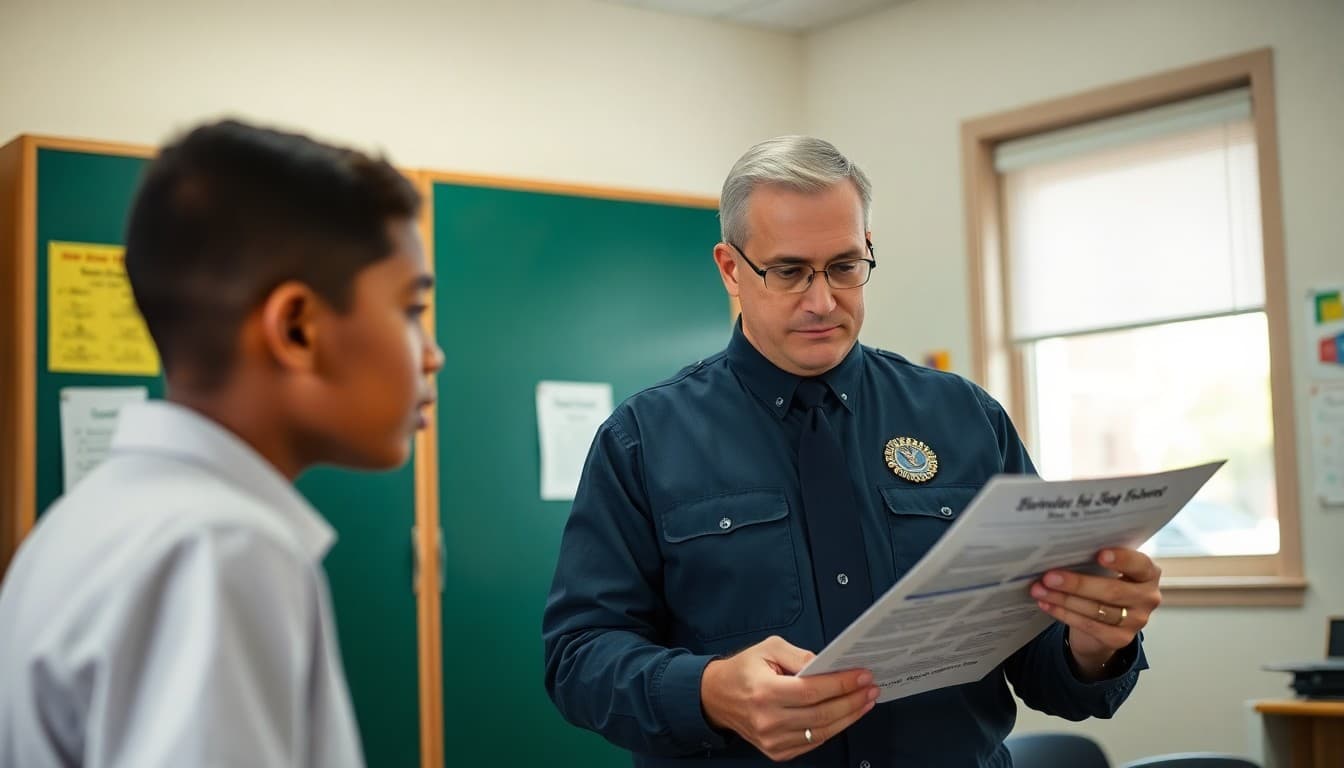
Louisiana School Safety Newsletter: Hurricanes, Flooding, and Family Communication
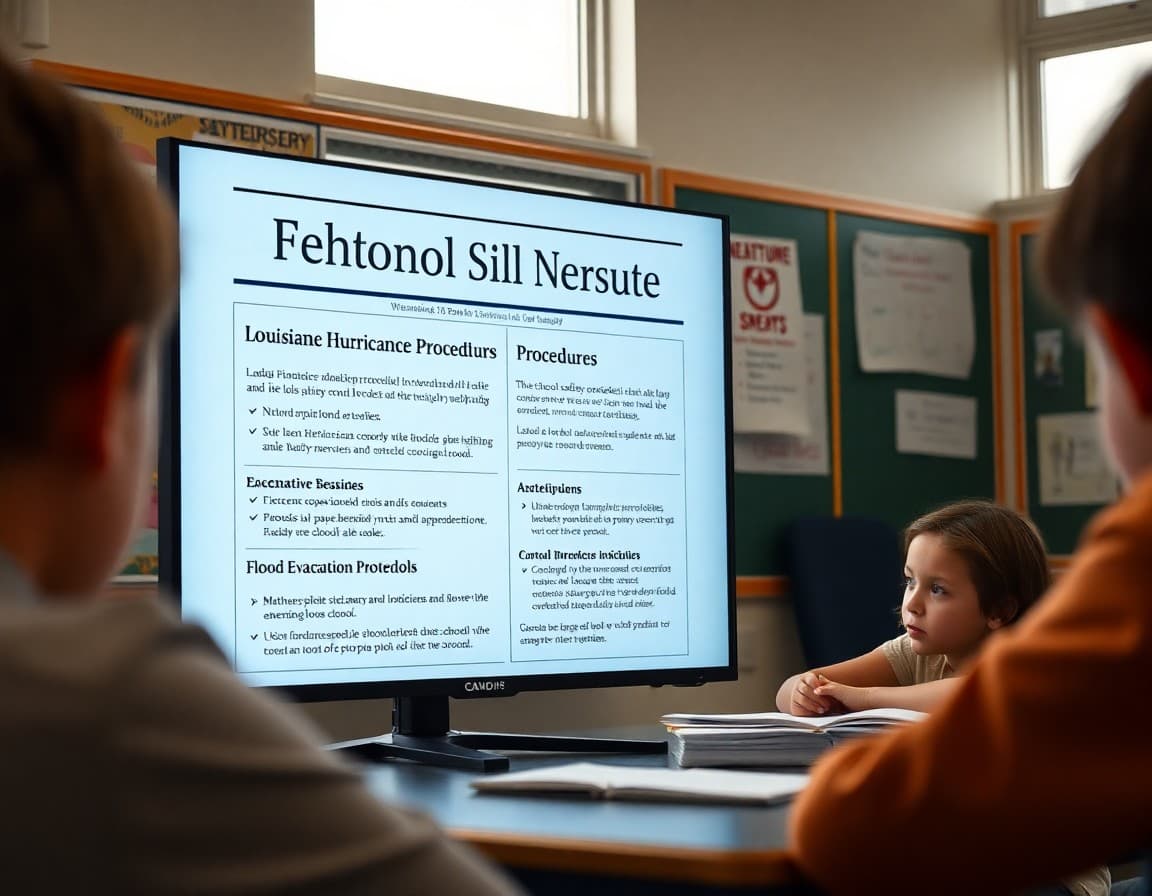
Louisiana school safety communication is shaped by one unavoidable reality: the state sits on one of the most hurricane-vulnerable coastlines in the world, crossed by a river system that floods. Every school in Louisiana operates with hurricane and flooding protocols as baseline requirements, not special circumstances. The safety newsletter that does not address both is incomplete.
Here is how Louisiana school administrators can build safety communication that reflects the state's actual risk profile.
Hurricane Season Communication Before June 1
Send a hurricane season protocol communication before the start of hurricane season every year. Cover the school's process for making closure decisions as a storm approaches, the timeline families should expect for announcements, which channels carry those announcements, and what to do if a storm intensifies faster than forecast and decisions must be made quickly.
Louisiana families have lived through major storm events. Many have evacuated with school- age children. They do not need a general explanation of hurricane risk. They need the school's specific operational plan, in writing, before a storm threatens.
Flooding Protocol Communication
Many Louisiana schools face flooding risk outside of named storms. Send a flooding protocol communication at the start of the school year. Name the conditions that trigger early dismissal or closure due to flooding. Describe the alternate dismissal routes and reunification sites used when primary roads are flooded. Explain how families will be notified and the expected timeline between the decision and the notification.
Heat Safety at the Start and End of the School Year
Louisiana school years start in late summer and extend into early June. August and September temperatures regularly exceed 95 degrees with high humidity. Send a heat protocol notice in your back-to-school communication covering outdoor activity modification thresholds, water access policies, and how portable classroom temperatures are managed.
Lockdown and Active Threat Drill Communication
Send advance notice before every lockdown or active threat drill. Include the date, what students will practice, and that teachers prepare students beforehand. Note counselor availability. Louisiana families manage significant background anxiety about safety broadly, and specific, preparation-focused drill communication helps rather than amplifies.
Visitor Policy and Campus Access Updates
When your visitor policy changes, communicate the specific change in writing with a brief explanation. Louisiana school communities, including those recovering from storm damage or displacement, may have changing family circumstances that affect who is authorized to pick up students. Clear visitor and access policies communicated in writing reduce confusion at the front office.
Reunification Procedures Including Storm Scenarios
Cover your reunification protocol in at least one newsletter per year. For Louisiana schools, this should include the hurricane and flooding scenario: where families should go if the primary reunification site is inaccessible, how the school communicates location changes during an active event, and what to do if family members have evacuated to a different area.
Using Daystage During Hurricane Season
Louisiana principals who use Daystage for safety newsletters maintain consistent communication even during the complex, fast-moving decisions of hurricane season. When a storm is approaching and administrators are managing multiple priorities, having a reliable communication platform means families receive clear information on schedule.
Communication Before the Storm Is the Most Important Communication
Louisiana families who have received consistent, specific safety communication from the school throughout the year arrive at every weather emergency and security incident better prepared and more confident. The work done before anything happens is what makes emergency communication work when it has to.
Get one newsletter idea every week.
Free. For teachers. No spam.
Frequently asked questions
What should a Louisiana school safety newsletter cover?
Louisiana schools face hurricane and tropical storm risk from June through November, significant flooding risk year-round, and extreme heat at the start and end of the school year. Safety newsletters should address hurricane closure protocols, flooding procedures, heat safety, and the standard security drill calendar. Hurricane communication should begin before June 1 every year.
How should Louisiana schools communicate hurricane closures to families?
Send a hurricane season communication before June 1. Cover how and when school closure decisions are made relative to storm approach, the notification timeline and channels, what families should do if a storm threatens during school hours, and where to find official storm information. Reference the Louisiana Governor's Office of Homeland Security and Emergency Preparedness as the authoritative state source.
How do Louisiana schools address flooding in safety newsletters?
Louisiana schools near waterways or in low-lying areas should send a flooding protocol communication at the start of the school year. Cover the conditions that trigger early dismissal or school closure due to flooding, alternate bus routes and reunification sites when primary roads are flooded, and how families will receive notifications. Many Louisiana schools have experienced significant flooding and families expect specific, operational communication.
What Louisiana school safety requirements affect family communication?
Louisiana schools must maintain comprehensive school crisis management plans and conduct required safety drills. Safety newsletters should reflect current drill schedules, describe the notification system, and provide families with actionable information. Administrators should align newsletter content with the school's current approved crisis plan.
What platform helps Louisiana schools manage safety newsletter communication?
Louisiana principals and safety coordinators use Daystage to send structured safety newsletters with consistent format throughout a demanding communication calendar. During hurricane season, having a reliable platform means critical safety communications reach families on time even when administrators are managing multiple urgent priorities.

Adi Ackerman
Author
Adi Ackerman is a former classroom teacher and curriculum writer with 8 years in K-8 schools. She writes about school communication, parent engagement, and what actually works in real classrooms.
More for School Safety
School Safety Newsletter Guide: What Principals and Safety Coordinators Should Be Communicating All Year
School Safety · 7 min read
Hurricane and Tornado Preparedness Newsletter: What School Families Need to Know Before Storm Season
School Safety · 5 min read
School Weather Emergency Communication: What Families Need to Know Before a Storm Closes School
School Safety · 5 min read
Ready to send your first newsletter?
3 newsletters free. No credit card. First one ready in under 5 minutes.
Get started free