
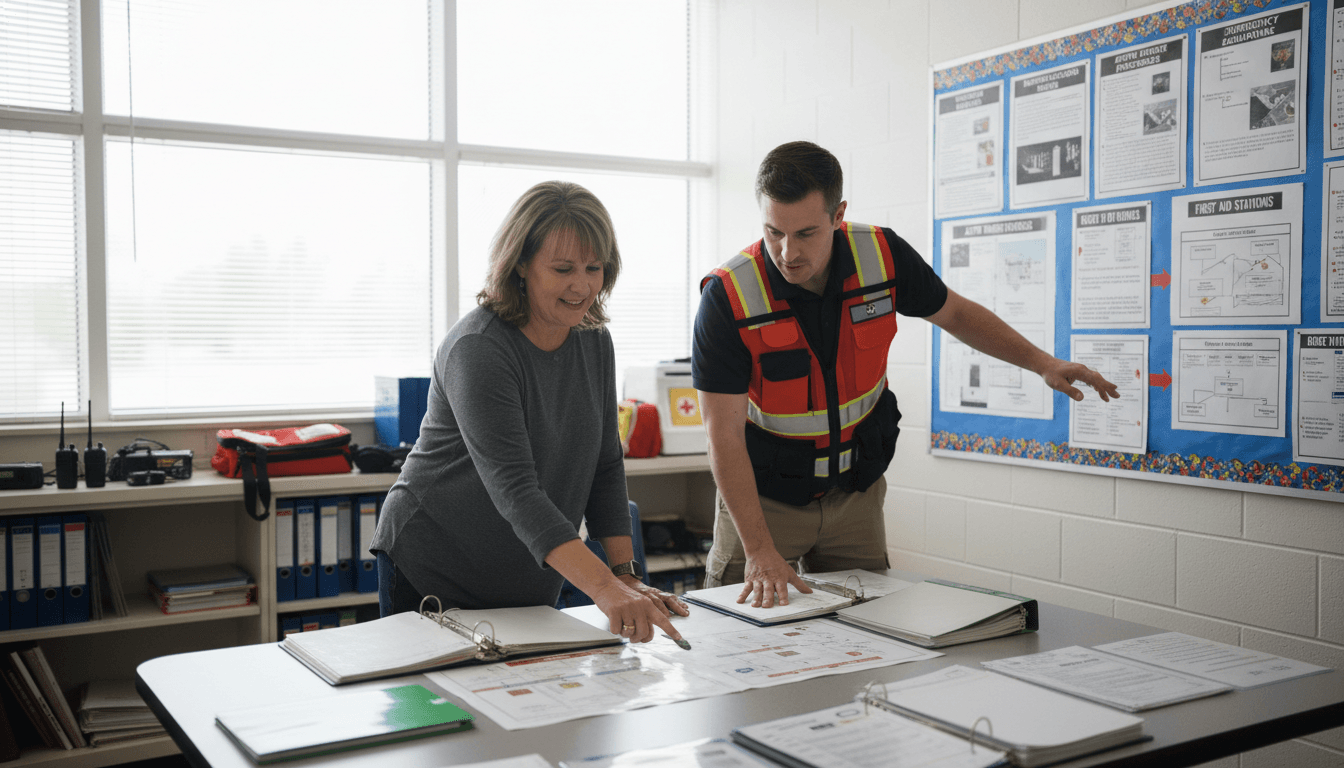
Hurricane and Tornado Preparedness Newsletter: What School Families Need to Know Before Storm Season
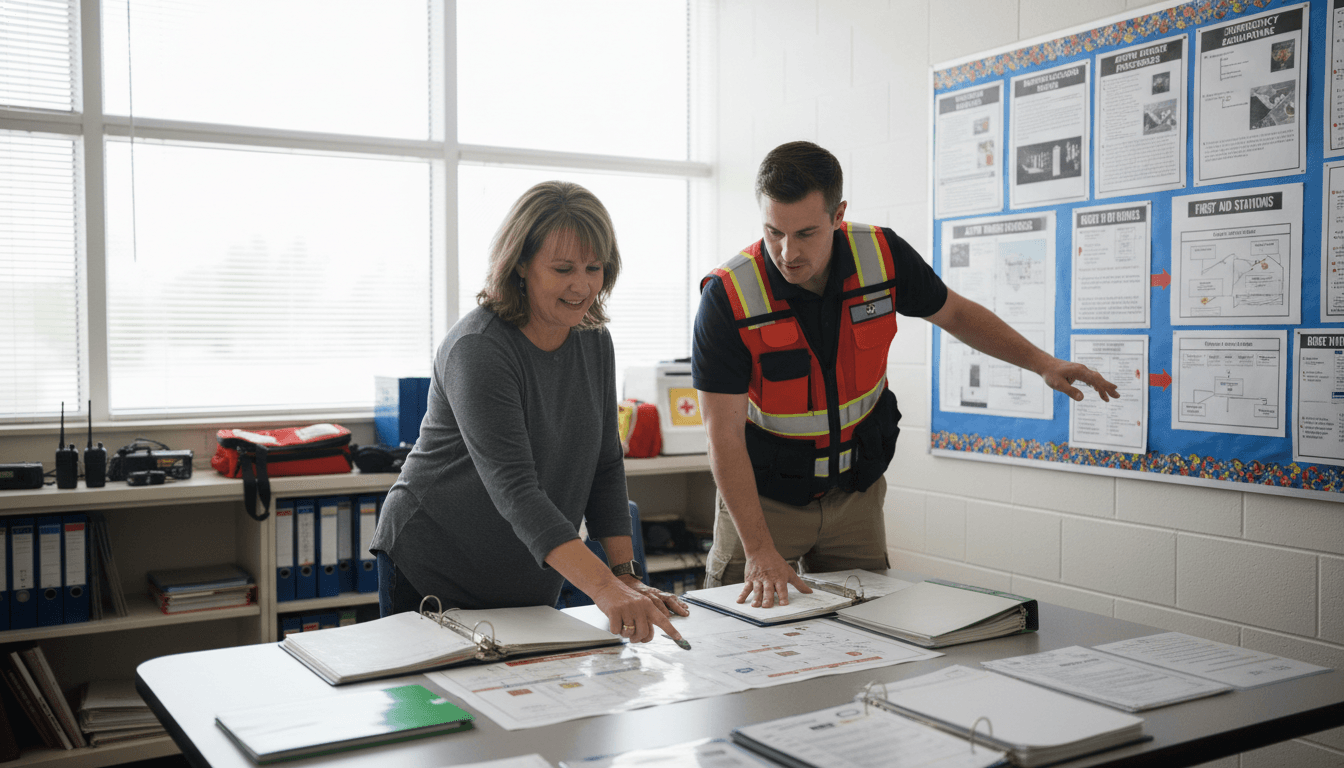
Schools in hurricane and tornado-prone regions face a specific communication challenge: storm decisions happen quickly and families need to receive, understand, and act on emergency communication in real time. The foundation for effective real-time communication is advance communication that has already told families what to expect, what to do, and what the school will provide.
Pre-Season Communication
Send a storm preparedness newsletter before the season begins. Cover the school's closure decision process for approaching hurricanes or active tornado conditions, how families will be notified, and what the notification will say. Families who receive this preparation newsletter before any storm event process real-time communications faster and with less anxiety.
Tornado Warning Procedures
Explain what happens during a tornado warning while school is in session. Students move from classrooms to interior shelter areas. They remain in shelter until the warning is lifted. Normal dismissal may be delayed. Families should not attempt to pick up students during an active tornado warning because it creates additional safety risk for everyone.
Hurricane Closure Decisions
Name the trigger conditions that lead to school closure before a hurricane. Tropical storm watches, hurricane watches, forecast track proximity, mandatory evacuation zones. Families who know the trigger conditions can monitor weather reports and anticipate closure decisions rather than waiting passively for notification.
If School Is Closed During a Storm
Communicate what happens to school operations during a multi-day closure: whether remote instruction will be provided, how families can access school meals if food service is suspended, and when school will reopen.
Home Preparedness
End with a brief reminder for families about home preparedness: emergency supplies, evacuation routes from their home, and out-of-area contacts. Connecting school preparedness to home preparedness extends the safety culture beyond the school day.
Get one newsletter idea every week.
Free. For teachers. No spam.
Frequently asked questions
What should a hurricane or tornado preparedness newsletter tell families?
How the school decides to close before a hurricane, where students shelter during a tornado warning, how families will be contacted during a weather emergency, the school's policy on releasing students during an active weather warning, and what families should prepare at home before storm season begins.
When should schools in hurricane regions send preparedness communication?
At the start of school in August, before hurricane season peaks in September and October. A brief follow-up in spring when tornado season begins. After a significant local storm event that affected families or school operations, a post-event newsletter confirms what happened at the school and what the school learned.
What is the school's policy on releasing students when a storm is approaching?
This varies by school and district. The newsletter should clearly state whether the school will release students early based on storm forecast tracks, at what trigger points (such as a Watch vs. Warning), and whether families can pick up students early without a formal school dismissal. Families who know this in advance can plan rather than responding reactively.
Where do students shelter during a tornado warning at school?
Interior hallways or rooms on the lowest floor, away from windows and exterior walls. The specific shelter locations vary by building layout. Tell families the general shelter strategy so they know their child is not near windows during a warning.
Does Daystage support storm preparedness communication?
Yes. Schools in storm-prone regions use Daystage to send start-of-season preparedness newsletters and real-time closure or shelter notifications during storm events. The ability to reach all families quickly on a familiar platform is critical during weather emergencies.

Adi Ackerman
Author
Adi Ackerman is a former classroom teacher and curriculum writer with 8 years in K-8 schools. She writes about school communication, parent engagement, and what actually works in real classrooms.
More for School Safety
Earthquake Preparedness Newsletter: Communicating Drop-Cover-Hold On Procedures to School Families
School Safety · 5 min read
School Cafeteria Safety Newsletter: What Families Should Know About Lunchtime Supervision and Policies
School Safety · 5 min read
School Hate Incident Communication Newsletter: How to Talk to Families When It Happens
School Safety · 6 min read
Ready to send your first newsletter?
3 newsletters free. No credit card. First one ready in under 5 minutes.
Get started free