
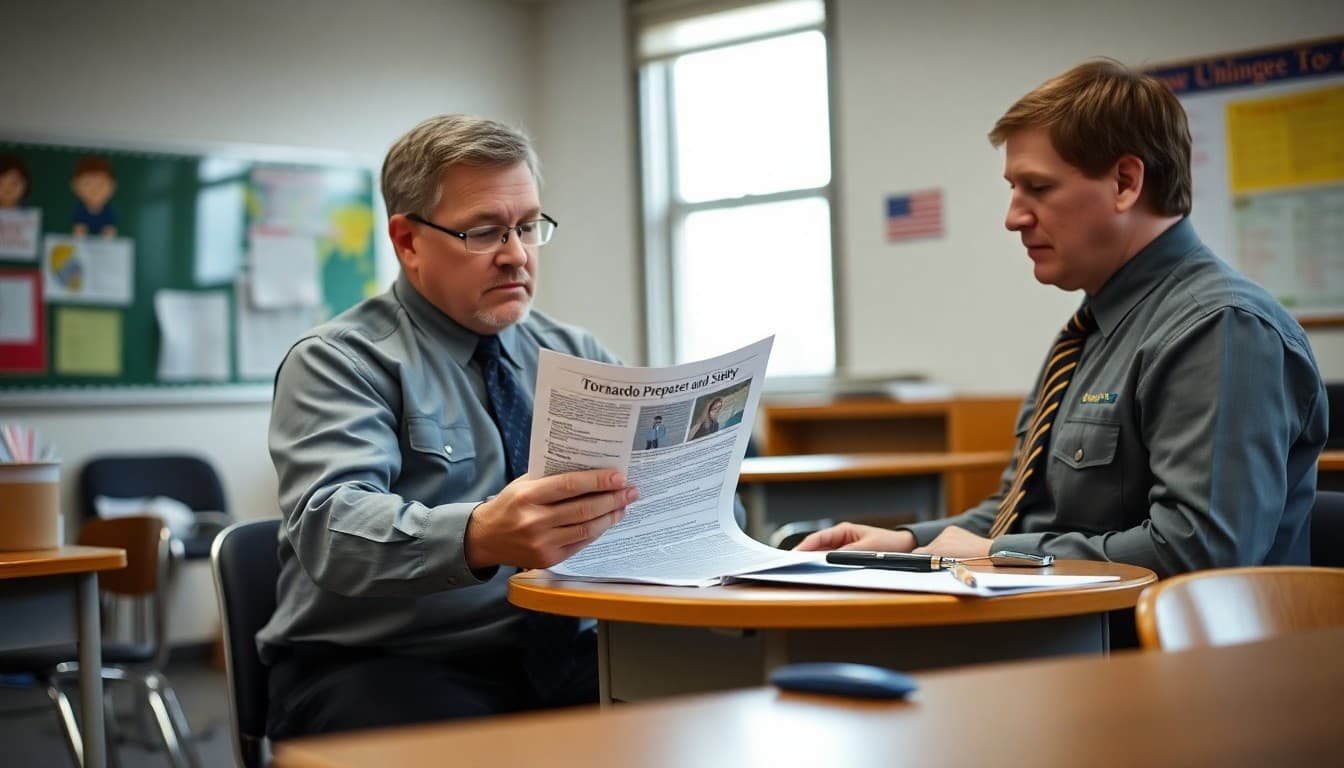
Kansas School Safety Newsletter: Tornado Alley Schools and Family Communication
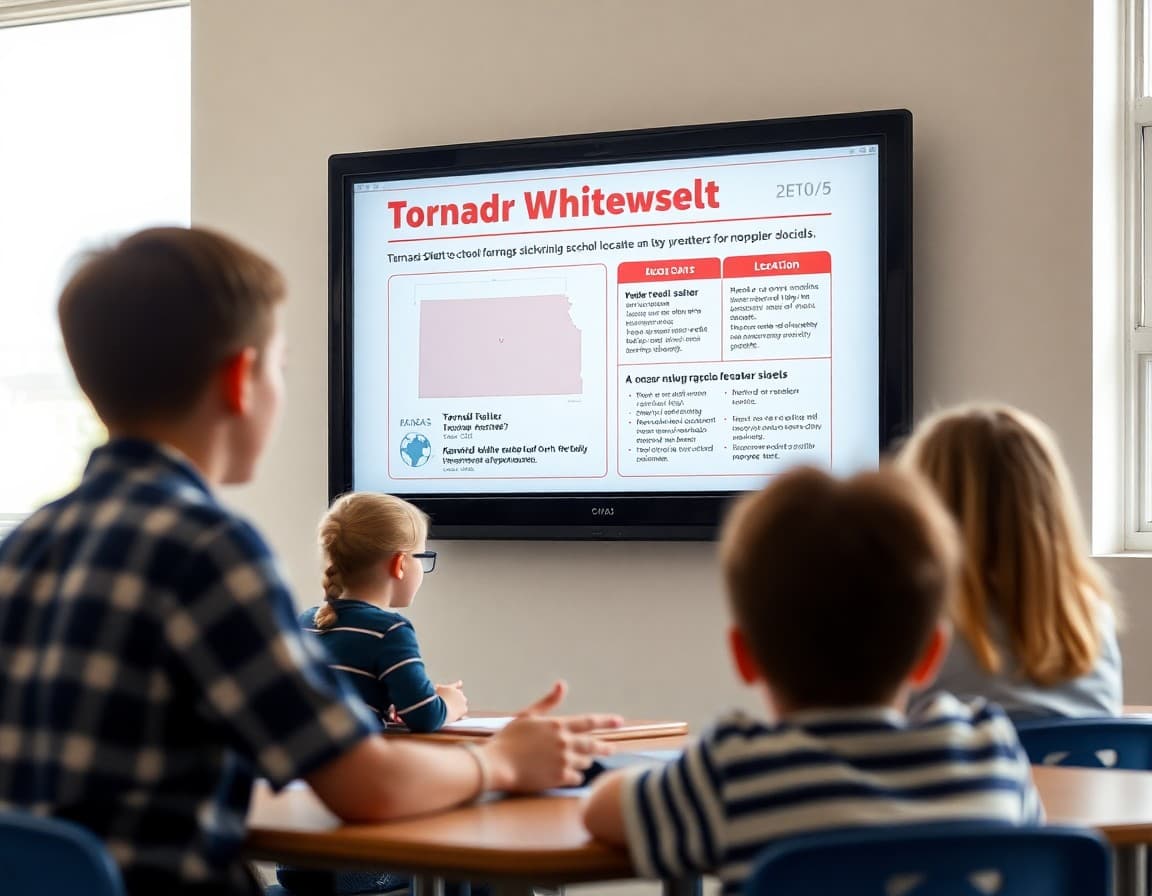
Kansas is, by every metric, Tornado Alley. No state in the country sees more tornadoes per square mile. Every Kansas principal managing a school safety communication calendar already knows this. What many Kansas schools still underdo is the explicit, written communication with families about what the school has prepared, where students go, and what families should do when a tornado warning sounds during school hours.
Here is how to build Kansas school safety communication that does that job well.
Tornado Protocol Communication Before Spring Season
Send a dedicated tornado protocol communication in early March, before the main season begins. Name the specific shelter locations in the building: which hallways, which rooms, which areas are used for which grade levels. Explain the warning system the school uses and what it sounds like. Describe what triggers a shelter-in-place versus a full evacuation. Tell families exactly how they will receive updates if a tornado warning occurs during school hours.
Kansas families know what tornados look like. They do not need an introduction to the hazard. They need the school's specific operational plan, in writing, before they need it.
Severe Thunderstorm Protocol Clarification
Kansas severe thunderstorm warnings accompany many tornado events and often raise family questions about what the school does during a thunderstorm warning versus a tornado warning. Address this directly. Explain the school's shelter protocol for both, and clarify whether outdoor activities are suspended for thunderstorm watches as well as warnings. This clarity prevents confusion calls during actual events.
Required Tornado Drill Notifications
Kansas requires schools to conduct tornado drills. Send advance notice before each drill with the date, shelter locations, and what students will practice. For the drill that coincides with Kansas Severe Weather Awareness Week, note that connection. It reinforces that the school's preparation is part of a statewide system, not an isolated exercise.
Lockdown Drill Communication
Send advance notice before every lockdown or active threat drill. Include the date, what students will practice, and that teachers prepare students beforehand. Note counselor availability. Kansas families in both urban districts like Wichita and small rural communities respond well to specific, forward-looking language about security drills.
Winter Weather Protocol Communication
Kansas winters bring ice storms and blizzards that can close schools unexpectedly. Send a winter weather communication protocol in your September safety newsletter. Cover decision criteria, the notification timeline, and the channels through which families will receive information. If the school uses a specific platform, confirm families are enrolled before the first significant storm.
Reunification Procedures
Cover your reunification protocol in at least one newsletter per year. Name the site. If weather could affect access to the primary site, name the alternate. Tell families what to bring and how the check-in process works. Kansas schools in open rural areas may need to address what happens if roads are blocked by downed trees or debris after a tornado.
Visitor Policy and Access Updates
When visitor procedures change, communicate the specific change, the effective date, and what families are expected to do differently. Kansas communities value direct, no-nonsense communication. A clear written notice with a brief rationale is usually all that is needed to maintain family cooperation with updated policies.
Using Daystage to Stay on Schedule
Kansas principals who use Daystage for safety newsletters maintain consistent communication across a full year that includes two severe weather seasons and a complete security drill calendar. The consistent format means families recognize safety communications and read them faster, which matters most when the information is urgent.
Get one newsletter idea every week.
Free. For teachers. No spam.
Frequently asked questions
What safety topics should Kansas school newsletters cover?
Kansas sits in the heart of Tornado Alley and leads the country in tornado frequency. Safety newsletters must address tornado and severe weather protocols prominently alongside lockdown drills, visitor policies, and reunification procedures. Kansas schools also deal with significant winter weather, so blizzard and ice storm communication should be included in fall safety newsletters.
How should Kansas schools communicate tornado shelter procedures to families?
Send a tornado protocol communication each spring before the most active season. Name the specific shelter areas in the building, the warning system used, what triggers a shelter-in-place, and how families will be notified if a tornado warning occurs during school hours. Kansas families are highly attuned to tornado risk and appreciate specific, operational information rather than general assurances.
What does Kansas law require for school safety drills and communication?
Kansas schools are required to conduct tornado drills and other emergency drills under state statute. Safety newsletters should reflect the current drill schedule, describe the emergency notification system, and tell families what to expect when drills occur. Administrators should align newsletter content with the most recently approved school safety plan.
How do Kansas schools communicate about severe thunderstorm protocols?
Kansas severe thunderstorms often precede or accompany tornado events. Safety newsletters should cover the protocol for severe thunderstorm warnings as well as tornado warnings, since families frequently ask whether a severe thunderstorm warning requires the same shelter-in-place response as a tornado warning. Clarifying the distinction reduces confusion during actual events.
What platform helps Kansas schools send safety newsletters consistently?
Kansas principals and safety coordinators use Daystage to send structured safety newsletters with consistent format throughout the year. In a state with an active severe weather calendar, having a reliable communication platform ensures safety messages are sent on schedule and reach every family.

Adi Ackerman
Author
Adi Ackerman is a former classroom teacher and curriculum writer with 8 years in K-8 schools. She writes about school communication, parent engagement, and what actually works in real classrooms.
More for School Safety
School Safety Newsletter Guide: What Principals and Safety Coordinators Should Be Communicating All Year
School Safety · 7 min read
School Tornado Safety Newsletter: Severe Weather Procedures
School Safety · 6 min read
Hurricane and Tornado Preparedness Newsletter: What School Families Need to Know Before Storm Season
School Safety · 5 min read
Ready to send your first newsletter?
3 newsletters free. No credit card. First one ready in under 5 minutes.
Get started free