
Indiana School Safety Newsletter: Severe Weather, Drills, and What Families Need to Know
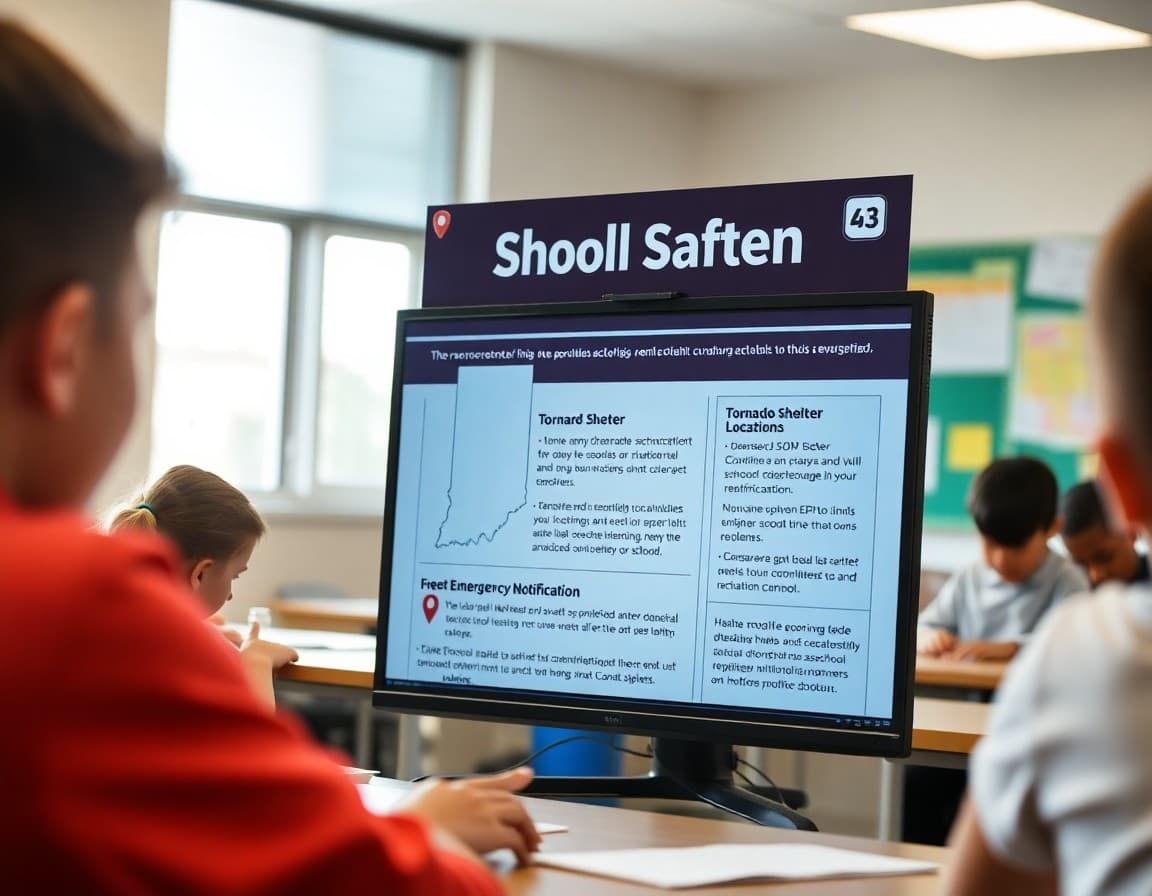
Indiana sits in one of the most tornado-active regions of the country. A spring safety communication strategy for an Indiana school that does not address tornado procedures is incomplete regardless of how thorough the lockdown or visitor policy sections are. Both matter. Both require proactive family communication. The school that does one well and ignores the other has left families partially prepared.
Here is how Indiana schools can build safety communication that covers the full picture.
Tornado Protocol Communication Every Spring
Send a tornado and severe weather protocol notice each March, before the active season begins. Name the specific shelter locations in your building. Explain the warning system your school uses and what students are instructed to do when it activates. Cover what happens to outdoor activities and athletic events during tornado watches and warnings. Tell families how they will receive information if a tornado warning occurs during school hours.
Families in Indiana know that spring storms are coming. The newsletter that answers their questions before they have to ask reduces call volume and builds confidence.
Indiana's Required Tornado Drill
Indiana law requires schools to conduct tornado drills. Send a brief notice before each drill with the date, the shelter locations students will practice reaching, and a note that teachers prepare students beforehand. If your school's drill coincides with the statewide drill in April, mention that connection. It helps families understand that the school's preparation is part of a broader statewide system.
Lockdown Drill Advance Communication
Send advance notice before every lockdown drill. Include the date, the drill type, what students will practice, and that teachers prepare students beforehand. Note that counselors are available afterward. Indiana families, like those across the Midwest, respond well to factual, specific language that focuses on preparation rather than threat.
Visitor and Campus Access Policy
When your visitor policy changes, communicate it in writing with a brief explanation. Indiana schools in both suburban districts and smaller communities benefit from written policies that families can reference. If a parent questions the policy at drop-off, the written communication you sent previously is the record that resolves the question.
Reunification Procedures
Cover your reunification protocol once per year in detail. Name the site, describe the check-in process, and tell families what identification to bring. For Indiana schools with significant student populations in suburban districts like Carmel, Fishers, or Fort Wayne, note the expected timeline and how to handle situations where a guardian is unavailable.
Winter Weather Communication
Indiana winters bring ice storms, heavy snow, and rapidly changing conditions that affect school operations. Send a winter weather protocol communication in your fall safety newsletter. Cover the decision criteria and timeline for delays, dismissals, and cancellations, the channels used for those announcements, and what families should do if conditions worsen faster than expected.
Mental Health and Crisis Communication
When the school responds to a student mental health crisis or a reported threat, send a brief factual communication confirming the response, the current status, and available supports. Offer guidance for family conversations with their children. Indiana communities, particularly those with strong local news presence, benefit from official school communication that arrives quickly enough to shape the narrative before rumor spreads.
Consistent Communication Through Daystage
Indiana principals who use Daystage for safety newsletters maintain consistent structure across a full school year of safety communications. Whether sending a March tornado protocol notice or a November lockdown drill advance notice, the familiar format helps families find and retain critical safety information.
Get one newsletter idea every week.
Free. For teachers. No spam.
Frequently asked questions
What should an Indiana school safety newsletter include?
Indiana schools should cover tornado and severe weather protocols, lockdown and active threat drill schedules, visitor and campus access policies, reunification procedures, and emergency notification channels. Indiana sees significant tornado activity from spring through early summer, and those protocols should be communicated to families before the most active part of the season begins.
How should Indiana schools communicate tornado drill requirements to families?
Indiana law requires tornado drills annually. Send a notice before each drill that names the shelter locations, the drill date, and what students will practice. Include a brief note about the county emergency management tornado warning system so families know how they will receive alerts outside of school hours. Connecting school and home preparedness builds a more complete safety culture.
What Indiana school safety laws affect family communication?
Indiana schools must maintain school safety plans and conduct required drills under Indiana Code Title 20. Safety newsletters should reflect current drill schedules and describe the school's emergency notification system. The Indiana Department of Education provides guidance that safety plans should be updated annually and communicated to school communities.
How do Indiana schools communicate about lockdown procedures without alarming families?
Send advance notice before every lockdown drill. Focus on what students will practice rather than on the threat scenario. Explain that teachers prepare students beforehand and that counselors are available afterward. Indiana families in both urban districts like Indianapolis and rural communities respond better to specific, preparation-focused language than to either vague reassurance or alarming threat descriptions.
What platform helps Indiana schools send organized safety newsletters?
Indiana principals and safety coordinators use Daystage to send structured safety newsletters that reach families consistently. Consistent formatting and delivery builds the recognition that makes safety communications more effective during urgent situations.

Adi Ackerman
Author
Adi Ackerman is a former classroom teacher and curriculum writer with 8 years in K-8 schools. She writes about school communication, parent engagement, and what actually works in real classrooms.
More for School Safety
School Safety Newsletter Guide: What Principals and Safety Coordinators Should Be Communicating All Year
School Safety · 7 min read
School Tornado Safety Newsletter: Severe Weather Procedures
School Safety · 6 min read
Lockdown Drill Communication Newsletter: What to Tell Families Before, During, and After
School Safety · 6 min read
Ready to send your first newsletter?
3 newsletters free. No credit card. First one ready in under 5 minutes.
Get started free