

Georgia School Safety Newsletter: Tornadoes, Drills, and Communicating With Families
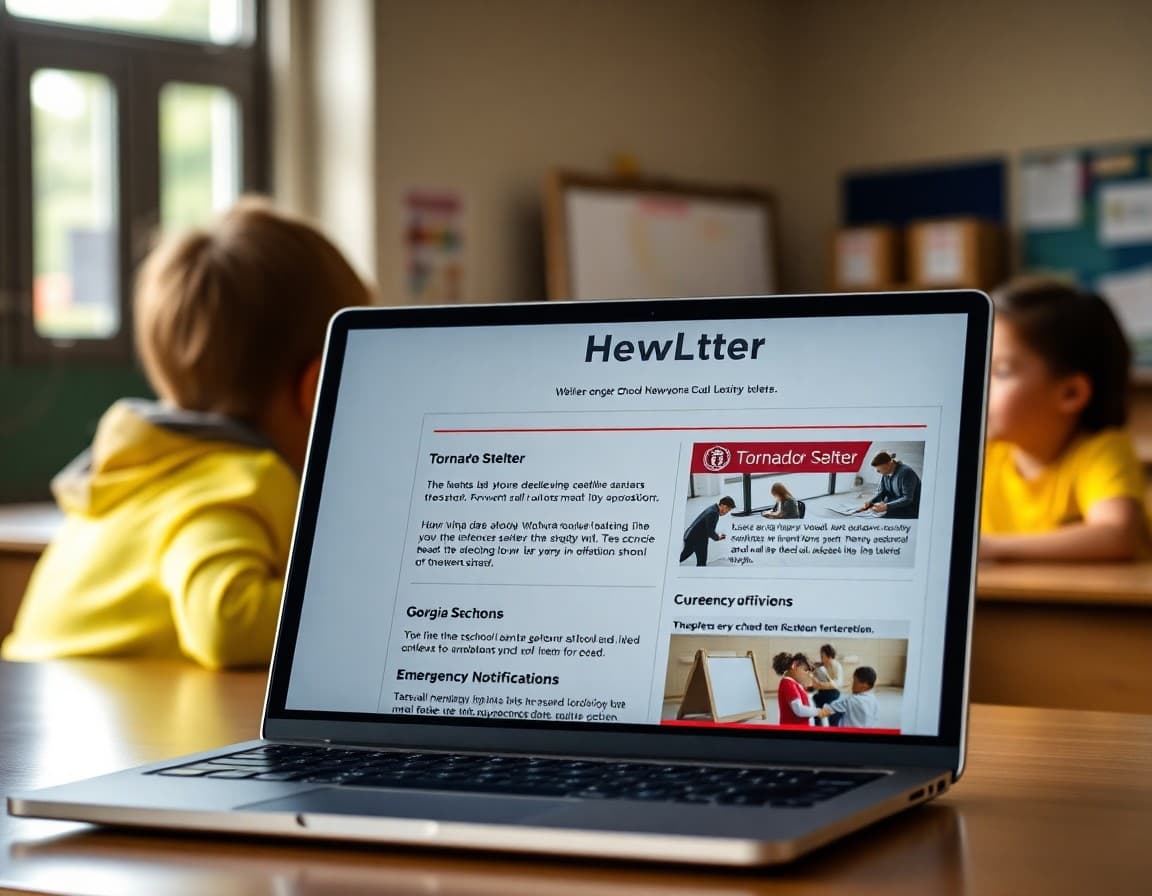
Georgia schools manage a safety communication calendar that starts with severe weather and layered with security concerns. A principal in Macon manages tornado risk every spring. A principal in Atlanta manages the security protocols of a large urban district. A principal in a rural north Georgia county manages both. The safety newsletter has to fit where the school actually is.
Here is a framework for Georgia school safety communication that works for communities across the state.
Tornado and Severe Weather Communication Each Spring
Georgia ranks among the top states for tornado fatalities, particularly in the northern and central regions. Send a tornado and severe weather protocol notice each spring, before the most active part of the season. Cover the shelter locations in your specific building, the warning system students and staff use, what triggers a shelter-in-place during school hours, and how families will be notified if an event occurs during the school day.
Name the shelter areas. "Students move to interior hallways on the ground floor, away from exterior walls" is more useful than "we have a shelter plan."
Active Threat and Lockdown Drill Notification
Georgia schools conducting active threat or lockdown drills should send advance notice before each drill. Include the date, the drill type, and a brief description of what students will practice. State that teachers prepare students beforehand. Note that counselors are available for students who find drills stressful.
A sample line: "On February 14, we will conduct a lockdown preparedness drill. Students will practice moving away from doors and windows and remaining quiet until staff provide an all-clear. Teachers will prepare students that morning."
Visitor Policy and Campus Access Updates
Georgia schools have strengthened visitor management in recent years. When your access policy changes, communicate it in writing. Explain the specific change, what families are expected to do when visiting, and why the policy supports student safety. Families who understand the policy support it more consistently than families who see it as an unexplained obstacle.
Reunification Procedures in Georgia
Cover your reunification procedures at least once per year in a dedicated section. Name the reunification site. Explain the check-in process and what identification families should bring. If the primary site is inaccessible during a weather event, name the alternate. Georgia families in suburban districts often manage large school communities, and reunification moves faster when families have read the procedure in advance.
Summer Heat and Start-of-Year Communication
Georgia's hot and humid climate creates heat-related illness risk at the start and end of the school year. August back-to-school newsletters should cover the school's outdoor activity protocols during high heat, water access policies, and the signs of heat illness that parents should watch for in students who have been outside during the day.
Mental Health Crisis and Post-Incident Communication
When the school responds to a student mental health crisis or a safety threat, send a brief communication confirming the response, that the situation is resolved or being managed, and that counselors are available. Avoid identifying details. Offer language families can use when speaking with their children. Quick, factual communication reduces the rumor spread that amplifies anxiety in tight-knit Georgia communities.
Consistent Format Builds Familiarity
Daystage helps Georgia school administrators send safety newsletters in a consistent format that families recognize across the school year. When a safety communication arrives and looks familiar, families read it more quickly and retain more of the content. That familiarity is an asset during actual emergencies.
Proactive Communication Reduces Crisis Confusion
Georgia families who receive consistent safety communication throughout the year arrive at emergencies better prepared and less likely to take actions that complicate the school's response. The newsletter you send before anything happens is the most important safety tool you have.
Get one newsletter idea every week.
Free. For teachers. No spam.
Frequently asked questions
What should a Georgia school safety newsletter address?
Georgia schools should cover tornado and severe thunderstorm protocols, active threat and lockdown drill schedules, visitor and campus access policies, reunification procedures, and emergency notification channels. Georgia has significant tornado risk, particularly in the northern and central parts of the state, and that risk should be addressed explicitly in safety communications sent each spring.
How should Georgia schools communicate tornado drill procedures to families?
Send a notice before each tornado drill that names the shelter locations in the building, the scheduled drill date, and what students will practice. Explain that teachers review the procedure with students beforehand. Include a brief note about Georgia Emergency Management Agency resources for families who want to build home preparedness plans.
What Georgia school safety requirements affect family communication?
Georgia schools are required to maintain comprehensive school safety plans and conduct annual safety drills under state law. Safety newsletters should reflect current drill schedules, describe the school's emergency notification system, and explain what families should do when they receive an emergency message. Administrators should verify that newsletter content aligns with the approved school safety plan.
How do you communicate about active shooter drills without creating alarm?
Lead with the purpose of the drill rather than the threat. Explain what students will practice, that staff prepare students beforehand, and that the goal is practiced readiness. Note counseling resources for students who find the drill stressful. Factual, forward-looking language communicates seriousness without generating alarm.
What platform do Georgia school administrators use for safety newsletters?
Georgia principals and safety coordinators use Daystage to send structured safety newsletters with consistent formatting throughout the year. Consistent format helps families navigate safety messages quickly and builds recognition that makes emergency communications more effective.

Adi Ackerman
Author
Adi Ackerman is a former classroom teacher and curriculum writer with 8 years in K-8 schools. She writes about school communication, parent engagement, and what actually works in real classrooms.
More for School Safety
School Safety Newsletter Guide: What Principals and Safety Coordinators Should Be Communicating All Year
School Safety · 7 min read
School Tornado Safety Newsletter: Severe Weather Procedures
School Safety · 6 min read
Lockdown Drill Communication Newsletter: What to Tell Families Before, During, and After
School Safety · 6 min read
Ready to send your first newsletter?
3 newsletters free. No credit card. First one ready in under 5 minutes.
Get started free