
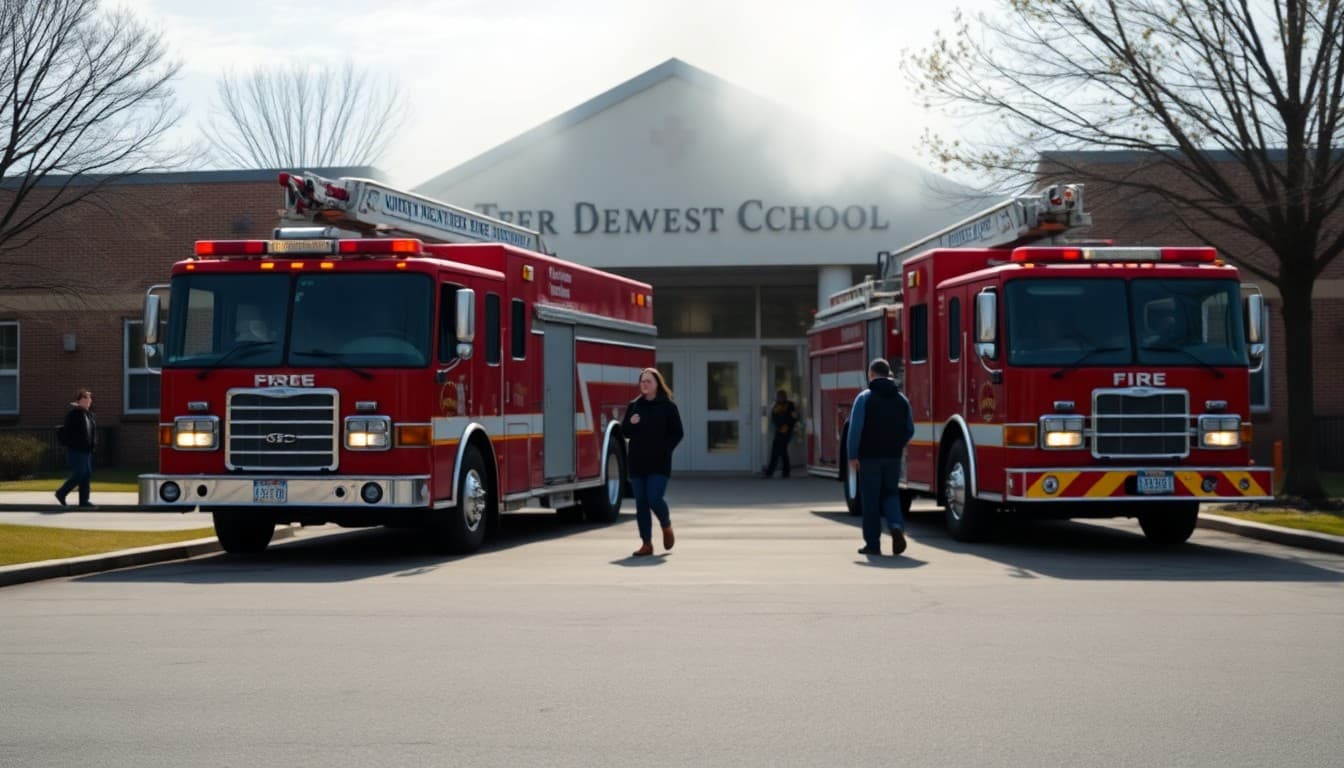
School Newsletter: Fire-Related School Closure Communication
A school fire generates immediate, urgent questions from families. Are the students safe? How serious is the damage? When will school reopen? How will instruction continue? Every minute without official communication from the school is a minute families spend searching for answers on social media. The communication plan for a fire closure needs to move as fast as the event itself.
Confirm Student and Staff Safety First
The first sentence of your initial message must address safety. If all students and staff are safe and accounted for, say so immediately and clearly. If there were injuries, provide an honest account of their severity without speculating about prognosis or sharing names before families have been personally notified. Families who cannot reach their child will be reading this message looking for that confirmation above everything else.
Describe the Extent of Building Damage
Be specific about what area of the building was affected and how seriously. A fire in the storage room that was contained quickly is a different situation than structural damage to a classroom wing. Families who receive vague information will assume the worst. Accurate, specific information, even if the news is significant, is more reassuring than studied vagueness.
Explain the Inspection and Clearance Process
Describe the process that must occur before the school can reopen. Building inspectors, fire marshals, insurance assessors, and district facilities staff all play roles. Naming the process and who is responsible for it shows families that a clear path to reopening exists and that the decision will be made by qualified people, not by administrative guesswork.
Address the Cause of the Fire
If the cause is known and appropriate to share, include a brief, factual statement. If the cause is under investigation, say so. This question will come up repeatedly, and a proactive, honest answer is better than having families assume the school is withholding information.
Communicate the Instruction Plan
Describe how student learning will continue during the closure. If the school is relocating temporarily to another district facility, provide the address, the schedule, and transportation arrangements. If remote learning is the plan, provide platform access information and the daily schedule. If the closure is expected to be brief, address whether makeup days will be required.
Set a Clear Update Schedule
Commit to regular updates at defined times. After a fire, there are many moving parts: inspections, repairs, insurance, alternative site logistics. Families who know a daily update is coming at 6 PM are not calling the office repeatedly through the day. That commitment to regular communication reduces administrative burden during an already stressful period.
Provide Community Support Information
If the fire caused emotional distress for students or families, include counseling resources and support contacts. A significant fire event, even one with no injuries, can be traumatic for students who experienced or witnessed it. Counselors should be available when students return, and families should know how to access that support.
Daystage gives you the ability to send a formatted fire closure newsletter from your phone, from the parking lot, from a district office, or from anywhere else you end up in the hours after a fire. A prepared template means the message is ready in minutes. That speed protects families and protects the school's credibility as a reliable communicator during crises.
Get one newsletter idea every week.
Free. For teachers. No spam.
Frequently asked questions
What should the first message say after a school fire?
Confirm that all students and staff are safe or account for any injuries honestly. State that the building is closed while fire and building officials assess the damage. Commit to an update within a specific timeframe. First messages after a fire are read with high urgency and need to be factual and reassuring.
How do you communicate building damage without causing alarm?
Describe the area affected and the extent of damage factually. If only one wing was damaged, say so. If the damage is extensive, acknowledge it honestly while explaining the inspection and repair process. Understating damage loses credibility when families see photos on social media.
Should the fire closure newsletter mention what caused the fire?
Mention the cause if it is confirmed and appropriate to share. If the cause is under investigation, say so. Do not speculate. Families will ask, and a clear statement that the cause is being investigated is better than leaving the question unanswered.
How do schools handle instruction during a building fire closure?
Options include remote learning, temporary relocation to another facility in the district, or a combination. Communicate the plan as soon as it is determined, including what families need to provide or prepare.
How does Daystage help with fire closure communication?
Daystage allows you to send a professional, clearly formatted closure notification from any device within minutes. When a fire forces you out of the building, having a mobile-accessible communication tool means families still receive timely, organized information.

Adi Ackerman
Author
Adi Ackerman is a former classroom teacher and curriculum writer with 8 years in K-8 schools. She writes about school communication, parent engagement, and what actually works in real classrooms.
More for School Safety
School Newsletter: Natural Disaster School Closure Communication
School Safety · 6 min read
School Newsletter: Communicating a Flood-Related School Closure
School Safety · 6 min read
School Weather Emergency Communication: What Families Need to Know Before a Storm Closes School
School Safety · 5 min read
Ready to send your first newsletter?
3 newsletters free. No credit card. First one ready in under 5 minutes.
Get started free