
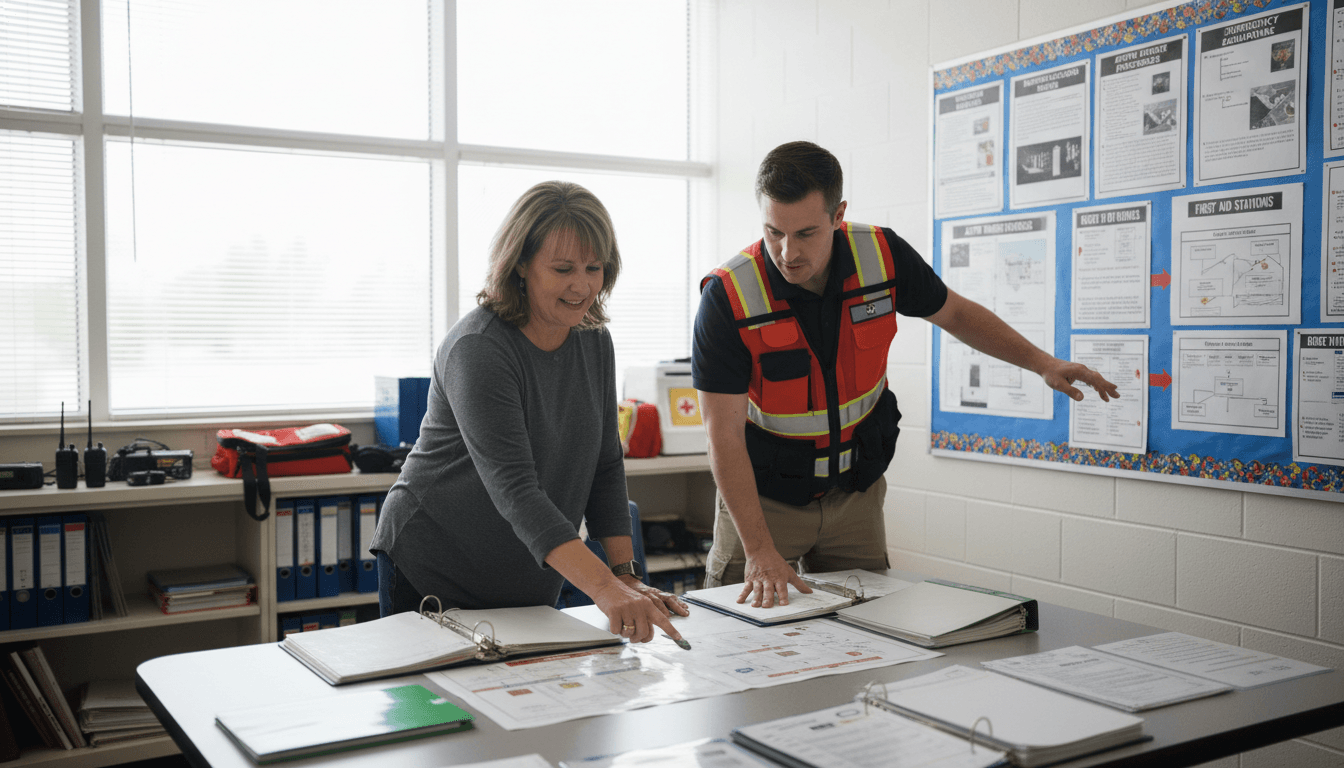
Fire Drill Newsletter: Communicating Evacuation Procedures to Families Who Do Not Know the Plan
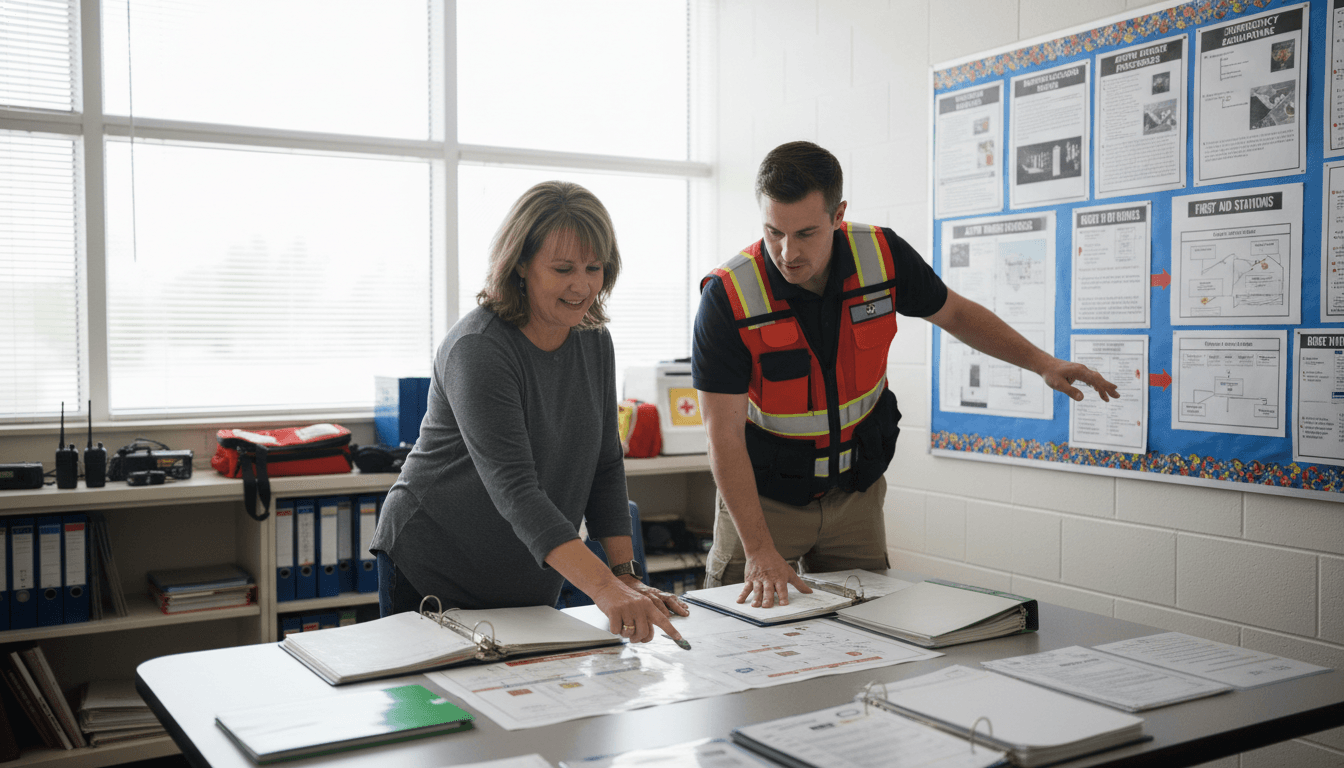
Fire drills feel routine to educators who have run them dozens of times. For families who have never been through a school fire drill and have no idea what their child does during one, a fire drill can be confusing or alarming when their child mentions it at dinner. A brief newsletter removes the confusion.
What Families Do Not Know
Most families have no clear picture of what happens during a school fire drill. They do not know which exit their child's classroom uses. They do not know where the class gathers in the parking lot or schoolyard. They do not know how long students stand outside before returning. And they almost certainly do not know what to do if they happen to arrive at school during an evacuation drill.
A fire drill newsletter that covers these basics gives families the context that turns their child's report of the drill from something confusing into something they expected.
The Evacuation Location
Every fire drill newsletter should name the primary evacuation gathering location. Many families have no idea where this is. If it varies by classroom or building section, say so briefly. "Classes evacuate to the parking lot on the north side of the building, facing Oak Street." That sentence tells families where their child will be if a real fire occurs during the school day.
Student Pickup During a Real Evacuation
The most important safety information in a fire drill newsletter is the student pickup procedure for a real incident. If a fire results in students being held at an alternate location, families need to know exactly where to go, what identification to bring, and what communication they will receive.
This information should be clear enough that a family reading the newsletter during a real evacuation can follow it without calling the school.
Supporting Young Children
Fire alarms are loud and fire drills can be disorienting for young children, particularly those who are sensitive to sound or who have anxiety. The newsletter can give families simple scripts for talking to their children about drills in advance: what the alarm sounds like, that teachers know what to do, and that the drill is practice, not a real fire.
Get one newsletter idea every week.
Free. For teachers. No spam.
Frequently asked questions
What should a fire drill newsletter tell families?
Where students go during a fire drill or real fire evacuation, how families will be notified if a fire drill becomes a real incident, and what the student pickup procedure is if school has to be evacuated during the day. Many families do not know that their child's class evacuates to a specific location and that they should not come to the main entrance during an evacuation.
How often should schools communicate about fire safety with families?
Once at the start of the year as part of the overall safety overview, and briefly before each scheduled fire drill if families are being notified in advance. An annual fire safety refresher newsletter also serves families who joined the school community during the year.
What is the most important thing families need to know about fire drills?
Where to pick up their child if an evacuation results in students being kept off-campus. This is the gap that causes the most chaos during real evacuations. Families who show up at the school entrance during an active fire emergency create traffic and safety hazards. Clear pickup instructions in advance prevent this.
How do you address student anxiety about fire drills in a newsletter?
Acknowledge that fire alarms are loud and that some students find them startling or frightening. Tell families that teachers are prepared for this and have strategies to support students. Give families language to use with their children to normalize the drill as a practice exercise.
Does Daystage help with fire drill and evacuation communications?
Yes. Safety coordinators use Daystage to send consistent pre-drill notifications and post-drill confirmations to families. The structured format makes these communications quick to prepare and easy for families to read.

Adi Ackerman
Author
Adi Ackerman is a former classroom teacher and curriculum writer with 8 years in K-8 schools. She writes about school communication, parent engagement, and what actually works in real classrooms.
More for School Safety
Lockdown Drill Communication Newsletter: What to Tell Families Before, During, and After
School Safety · 6 min read
School Drug and Alcohol Policy Newsletter: Communicating Clear Expectations and Support to Families
School Safety · 5 min read
Outdoor Recess Safety Newsletter: What Families Should Know About Playground Supervision and Policies
School Safety · 5 min read
Ready to send your first newsletter?
3 newsletters free. No credit card. First one ready in under 5 minutes.
Get started free