
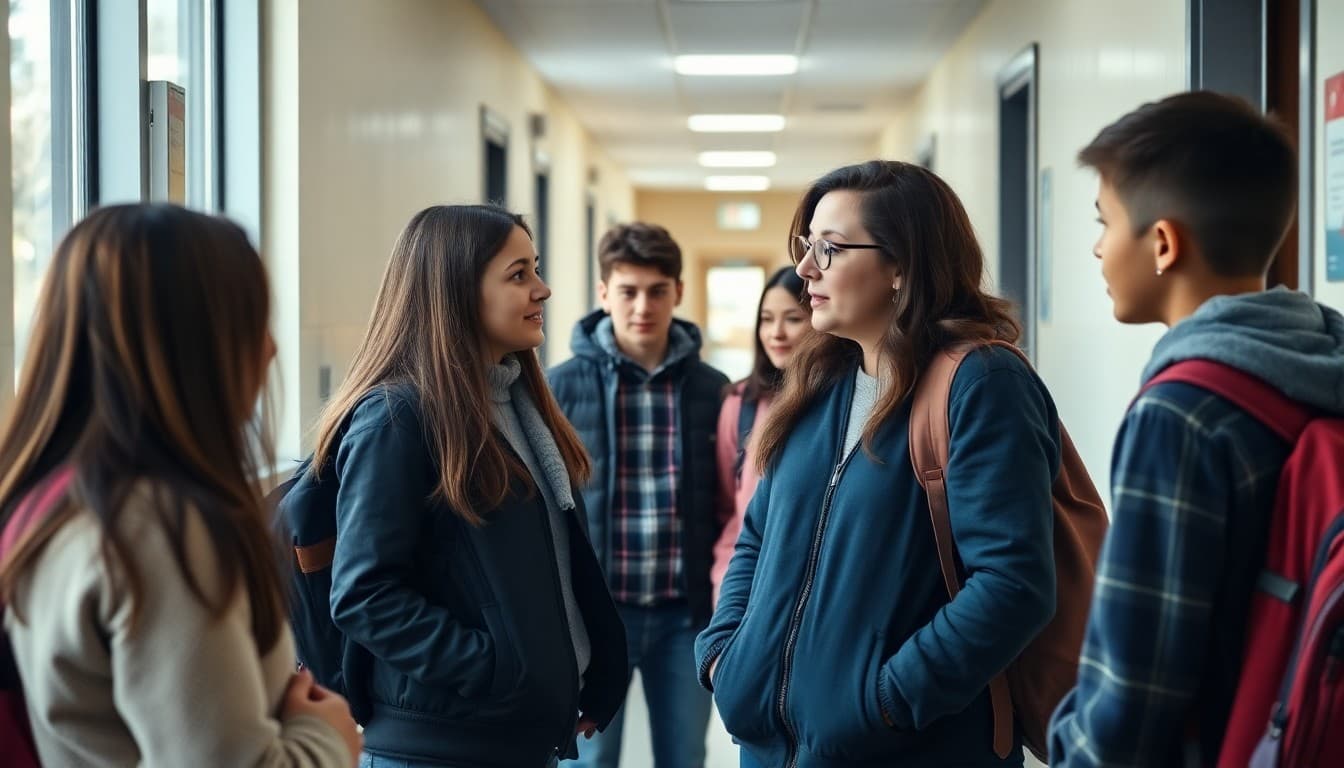
February Safety Update Newsletter for School Families

February occupies a particular spot in the school year. The energy of the new semester has settled into routine, winter weather is still a real factor in many regions, and mid-year stress is climbing for students and staff alike. A February safety newsletter addresses the specific safety concerns of this moment rather than repeating the generic reminders families have already seen.
Review Winter Weather Communication One More Time
If January produced a snow day or delayed opening, use February to reinforce the communication process. Name the specific channels families should check, confirm the cutoff time for morning decisions, and note whether a weather-related early dismissal process differs from the standard early dismissal procedure. Repetition here is useful, not redundant.
Set Guidelines for Valentine's Day Classroom Events
Valentine's Day classroom events are common but they create predictable friction around food allergies, gift equity, and outside visitors. Spell out whether students can bring treats, whether store-bought only is permitted, and how the class will handle distribution. If parents want to attend, describe the check-in process. A clear policy in the newsletter reduces same-day calls to the front office.
Address Food Allergy Safety in Classroom Events
February events often involve food. Remind families of your school's food allergy policies, how to check with the teacher before sending treats, and what happens if an allergic student is accidentally exposed. This is a safety issue as well as a courtesy one. If your school has a specific protocol for allergy emergencies, briefly describe it here.
Highlight Mental Health Resources for Mid-Year Stress
Mid-year is when student stress often peaks. Academics are in full swing, social pressures are high, and the energy of a new year has worn off. A brief paragraph describing the school counselor's role, how families can request a check-in for their child, and what signs of distress look like at different ages gives families concrete tools to act on.
Update Families on Second-Semester Safety Drills
If a drill is coming up in February or March, give families a heads-up. Describe what type of drill is planned and include the brief note about how teachers handle student anxiety before and after. Consistent advance communication about drills reduces the number of concerned calls on drill days.
Remind Families of Reporting Channels
A mid-year reminder about the tip line, school office number, and reporting process for safety concerns is appropriate. Families who see this information monthly are more likely to use it when they notice something that warrants a report.
Include a Note About Spring Planning
A brief mention of any spring events or schedule changes on the horizon gives the February newsletter a forward-looking close. Field trips, spring picture day, and end-of-year testing all have safety dimensions that will be addressed in future newsletters. Flagging them now sets appropriate expectations.
Daystage makes the February newsletter a fifteen-minute task once you have a solid template from earlier in the year. Update the event section, add the drill dates, and refresh the mental health paragraph with the current counselor's contact information. Consistent, monthly safety communication is one of the highest-return investments a school can make in family trust.
Get one newsletter idea every week.
Free. For teachers. No spam.
Frequently asked questions
What safety topics are most relevant in February?
February brings continued winter weather risk, Valentine's Day classroom events, and the middle of the school year when student stress levels often peak. Mental health and social-emotional support are especially relevant this month.
How should schools communicate Valentine's Day event policies?
Be clear about whether students can bring treats or cards, what the distribution process is, and how to handle food allergies during the event. A brief policy statement in the newsletter prevents day-of issues and protects students with dietary restrictions.
Should February newsletters address student mental health?
Yes. February often sees an uptick in student stress and social conflict, especially around Valentine's Day. A short section reminding families about counseling resources and how to recognize signs of distress is timely and useful.
How do you handle weather-related updates in February newsletters?
Include a reminder of how the school communicates closures and delays, especially if January produced any weather events that created confusion. Families appreciate a clear repeat of the communication channels rather than assuming they remember from the start of the year.
Can Daystage help with February safety newsletter formatting?
Yes. Daystage lets you create a visually clean newsletter with sections for weather updates, event policies, and mental health resources. The template you built in August carries through the entire year, so February updates are quick to produce.

Adi Ackerman
Author
Adi Ackerman is a former classroom teacher and curriculum writer with 8 years in K-8 schools. She writes about school communication, parent engagement, and what actually works in real classrooms.
More for School Safety
Ready to send your first newsletter?
3 newsletters free. No credit card. First one ready in under 5 minutes.
Get started free