

Connecticut School Safety Newsletter: What Families Need to Hear Every Year
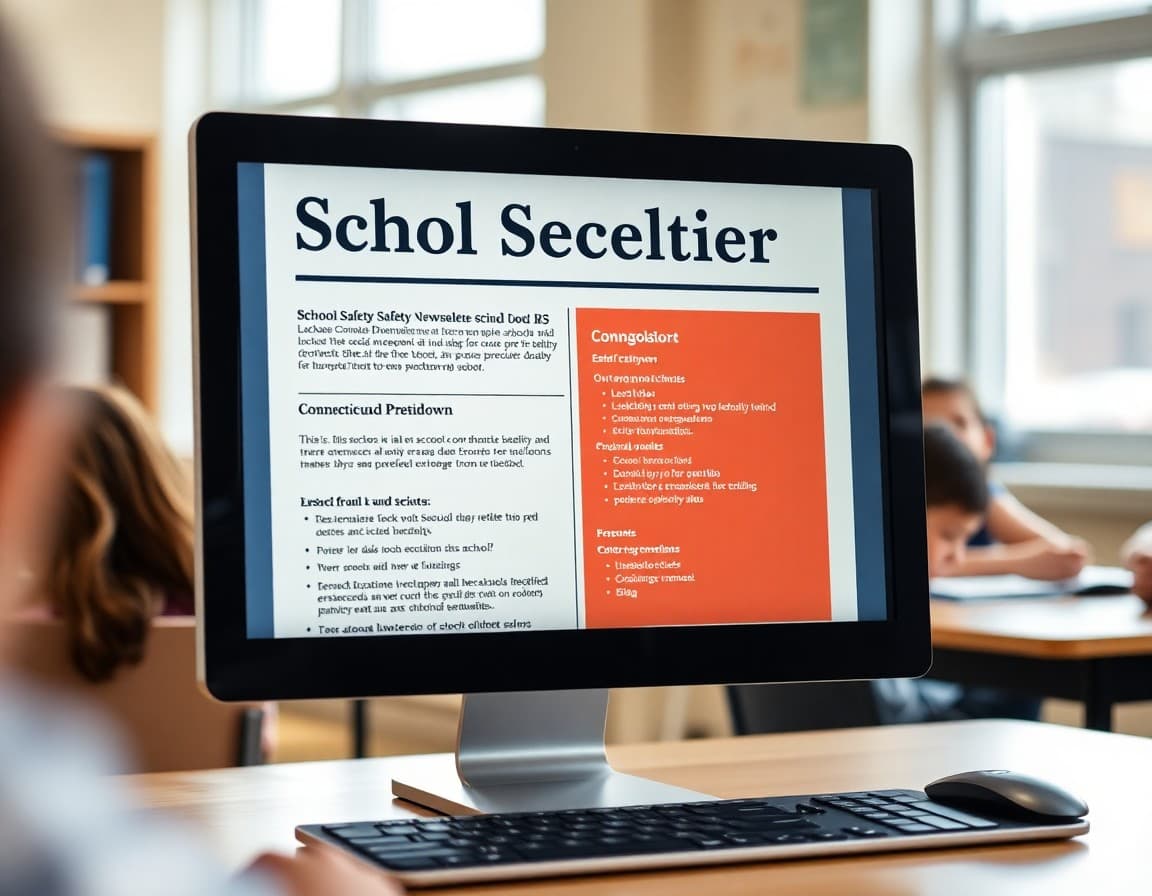
Connecticut school communities carry a particular weight when it comes to safety communication. The state has lived through events that no school anywhere should face, and those events have shaped how families here receive and interpret safety messages from schools. The newsletter that arrives before a lockdown drill is not just a procedural notice. It is a message about whether the school understands the gravity of what it is preparing for.
Here is how Connecticut school leaders can write safety communication that reflects that understanding.
Acknowledge the Context Without Dwelling on It
Connecticut families do not need to be reminded why school safety matters. They know. What they need from a safety newsletter is specific, actionable information about what the school has prepared and what families should know. Start every safety communication from a place of preparation and competence, not from anxiety or reassurance that rings hollow.
Lockdown and ALICE Drill Communication
Connecticut schools that use ALICE or similar response protocols should explain what those protocols mean in advance, before the first drill. Many families are unfamiliar with options- based response frameworks. A brief explanation of the approach and how it differs from older lockdown-only protocols helps families understand what their child is learning.
Before every drill, send a notice with the date, the type of drill, what students will practice, and that staff prepare students beforehand. Mention the counselor resource. Keep the tone direct and calm.
Reunification Procedures Are Critical in Connecticut
Cover reunification procedures at least twice per year: at the start of the year and mid-year. Name the specific reunification site. Walk families through what to bring, the check-in process, and the timeline. Connecticut schools near populated suburbs may manage large numbers of arriving family members during a reunification. Families who have read the procedure once move through it faster and with less stress.
Visitor and Access Policy Updates
Connecticut schools have implemented strong visitor management systems in the years since 2012. When your visitor policy or access control changes, explain what changed, why, and what families need to know before their next visit. Do not assume families know the current protocol. State it clearly in writing each year.
Winter Weather Communication Protocol
Connecticut winters require consistent weather communication. Send a fall safety newsletter section on winter protocols: how decisions about closings and delays are made, which channels carry those announcements, and what the decision timeline looks like. If the school uses a specific platform for emergency notifications, instruct families on how to confirm they are enrolled.
Mental Health and Post-Incident Communication
Connecticut schools communicate about student mental health and safety incidents more frequently than many other states, partly because community expectations are higher and partly because state guidelines encourage transparency. When a safety incident occurs, send a factual communication confirming the response, the current status, and available counseling supports. Avoid details that could identify students. Offer specific guidance for how families can talk with their children.
Using a Consistent Format Builds Recognition
A safety newsletter that looks the same every time is easier to navigate quickly. Daystage gives principals and safety coordinators a consistent structure they can rely on so that every safety communication arrives with the same visual language families have seen before. In a moment of high stress, format familiarity matters.
The Standard to Meet
Connecticut families expect their school to communicate about safety with the same level of care and seriousness that the school brings to classroom instruction. Meeting that expectation consistently throughout the year is the baseline for earning and keeping trust.
Get one newsletter idea every week.
Free. For teachers. No spam.
Frequently asked questions
What should Connecticut school safety newsletters address?
Connecticut schools should cover lockdown and ALICE drill schedules, reunification procedures, visitor and campus access policies, winter weather protocols, and how families will be notified during emergencies. Connecticut has strong state-level school safety requirements following the events of 2012, and families in many communities have a heightened awareness of safety communication that warrants especially clear and consistent messaging.
How does Connecticut school safety law affect what schools communicate to families?
Connecticut General Statutes require schools to maintain comprehensive safe school climate plans and to conduct regular safety drills including lockdowns and fire evacuations. Safety newsletters should reflect current drill schedules, explain what types of drills are practiced, and describe how families will be notified after drills and during actual emergencies.
How should Connecticut schools communicate about lockdown drills?
Send a notice before every lockdown drill that includes the scheduled date, what students will practice, and that teachers prepare students in advance. Connecticut families, particularly in communities with direct experience of school violence, may have strong emotional responses to drill notifications. A calm, specific, preparation-focused tone is essential. Include the school counselor contact for families who want support.
How do Connecticut schools address winter weather in safety communication?
Winter weather closures and delays affect Connecticut schools every year. Safety newsletters sent in the fall should explain the notification process: the channels used, the decision timeline, and what families should do if weather deteriorates faster than anticipated. Consistent communication on this topic reduces panic during actual weather events.
What platform helps Connecticut schools send organized safety newsletters?
Connecticut principals use Daystage to send safety newsletters with consistent structure and format across the school year. Families who receive the same format every time learn to navigate it quickly, which matters during time-sensitive safety communications.

Adi Ackerman
Author
Adi Ackerman is a former classroom teacher and curriculum writer with 8 years in K-8 schools. She writes about school communication, parent engagement, and what actually works in real classrooms.
More for School Safety
School Safety Newsletter Guide: What Principals and Safety Coordinators Should Be Communicating All Year
School Safety · 7 min read
Lockdown Drill Communication Newsletter: What to Tell Families Before, During, and After
School Safety · 6 min read
School Reunification Plan Newsletter: Emergency Family Protocols
School Safety · 6 min read
Ready to send your first newsletter?
3 newsletters free. No credit card. First one ready in under 5 minutes.
Get started free