
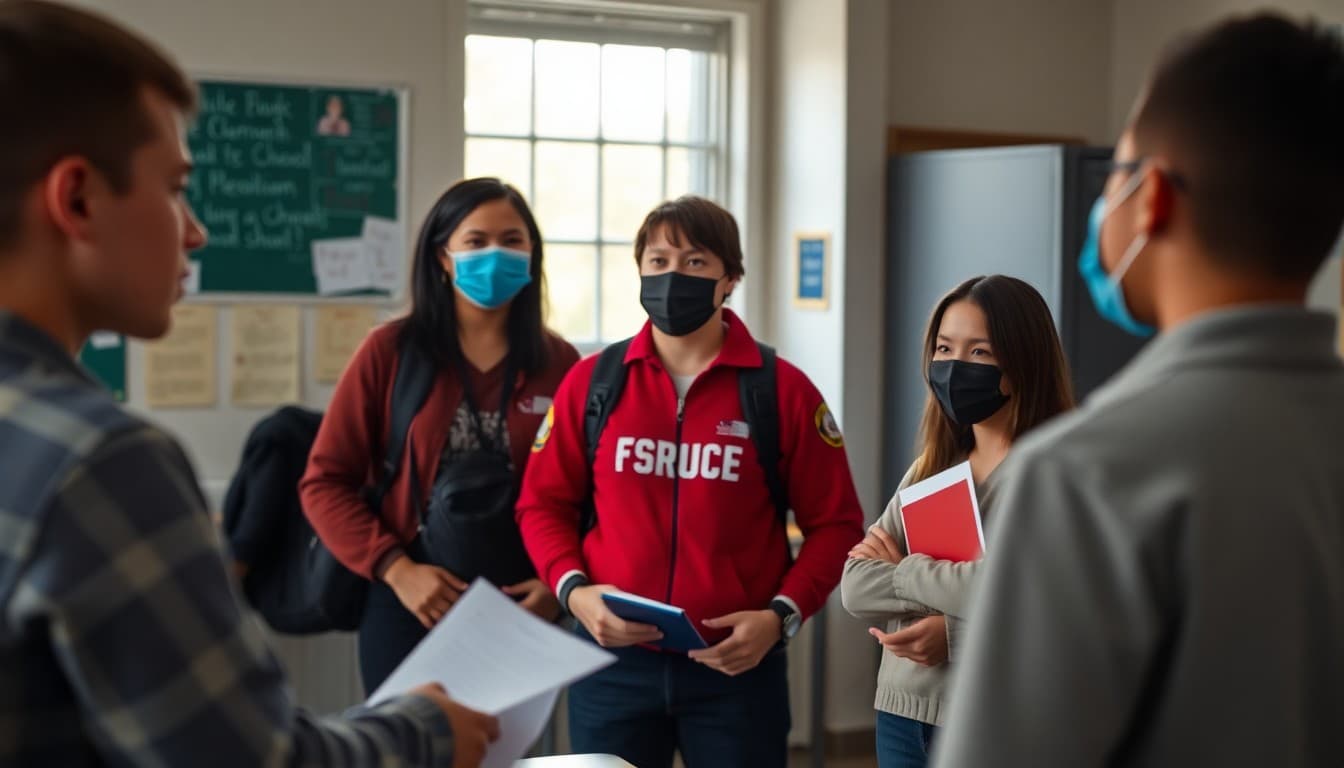
School Crisis Response Team Newsletter: Who We Are and What We Do

Most families only hear about the crisis response team after a crisis happens, which means they're learning about it under exactly the wrong conditions. A proactive newsletter introducing the team, their training, and their procedures builds trust before it's needed and reduces the questions that flood in when a real event occurs.
Introduce the Team Members by Name and Role
Start by naming who is on your crisis response team and what each person's role is. The principal serves as the incident commander who makes decisions about school operations during a crisis. The counselors provide direct student support and coordinate mental health resources. The school psychologist conducts assessments and leads trauma-informed support protocols. The nurse manages medical needs. Name each person and their role so families connect faces to functions before an emergency makes those introductions feel abstract.
Define What Types of Events Activate the Crisis Team
Families sometimes don't know what a school considers a "crisis" requiring a formal team response. Be specific. The crisis response team is activated for: the death of a student or staff member, a serious injury or medical emergency on campus, a significant safety threat or incident, a natural disaster affecting the school community, and any event that creates significant psychological distress among students requiring coordinated support. This definition helps families understand the scope without implying that every minor incident rises to crisis level.
Describe the Team's Training
Families want to know whether the people responding to a crisis are actually prepared. State what training your team members have completed. Many school crisis teams are trained through NOVA, the National Organization for Victim Assistance, the National Association of School Psychologists' PREPARE curriculum, or district-specific crisis training aligned with FEMA's Incident Command System. Naming specific training frameworks tells families that your response is structured rather than improvised.
Explain the School's Immediate Crisis Response Process
Walk families through what the team does in the hours after a crisis event. Use a template structure:
"When a crisis event occurs, the crisis response team activates within [timeframe]. Step one: assess the situation and confirm student and staff safety. Step two: notify district administration and law enforcement or emergency services if needed. Step three: send an initial family notification describing what happened in factual, age-appropriate terms and what the school is doing. Step four: deploy counseling support to students and staff during the school day. Step five: send a follow-up communication with additional information, support resources, and guidance for families."
Describe the Mental Health Support Available During and After a Crisis
Tell families what support students can access. During a crisis: a designated safe space in the building where students can speak with a counselor or psychologist. After a crisis: extended counseling availability, possible community mental health teams deployed to the school, and a grief support group if the event involves a loss. Give families language for talking to their child about accessing support: "If talking to me isn't enough, your counselor at school is there for exactly this."
Give Families a Role in the Response
Families are not passive observers in a crisis. Give them specific things to do. Watch for signs of distress over the days and weeks following the event, including sleep disruption, appetite changes, withdrawal, or increased anxiety. Talk with your child about what happened using age-appropriate honesty. Maintain normal routines as much as possible. Limit excessive media coverage if the crisis involves a widely reported event. Contact the school counselor if you notice sustained changes in your child's behavior. These are concrete, actionable steps that help families feel capable rather than helpless.
Share the School's Communication Plan for Families During a Crisis
Tell families exactly how they will be reached when a crisis occurs. Initial notification will come via the school's emergency communication system within a specified window after the event. This message will state what happened in factual terms and what the school is doing. A follow-up communication will include support resources and guidance within 24 hours. Ongoing updates will be sent as new information is available. Knowing the communication plan reduces the panic that comes from not knowing whether or when the school will reach out.
Close with Contact Information for Concerns
End with the direct contact for families who have crisis-related questions outside of an active event, typically the school counselor or principal. Invite families to reach out before a crisis if they have a concern about a student who may be struggling. "Our crisis team's job doesn't start when something happens. It starts with the conversations and observations that catch warning signs early." That framing positions the team as proactively helpful rather than reactive only.
Get one newsletter idea every week.
Free. For teachers. No spam.
Frequently asked questions
What is a school crisis response team?
A school crisis response team is a designated group of trained staff responsible for coordinating the school's response to a crisis, whether a student death, a serious injury, a natural disaster, or any other event that significantly disrupts the school community. The team develops the school's crisis response plan, trains other staff, leads the response during and after a crisis, and coordinates with outside agencies including mental health providers and emergency services.
Who is on a school crisis response team?
A well-constituted team typically includes the principal, one or two assistant principals, the school counselor or counselors, the school psychologist if one is assigned to the building, the school nurse, and in some districts a designated community liaison. Larger districts may also have a district-level crisis team that deploys to schools when needed. Some schools include a teacher representative or parent liaison.
What types of events does the crisis response team address?
The team is activated for events that significantly affect the school community's emotional or physical safety. Common triggers include the death of a student or staff member, a serious injury on campus, a threat assessment that results in a safety action, a natural disaster affecting families in the school community, a community tragedy that affects multiple students, and the aftermath of a significant school safety incident.
How can families support their child after a crisis at school?
Listen without rushing to fix. Children process traumatic events differently than adults, and some need time before they're ready to talk. Create space for questions. It's okay to say 'I don't know' to a hard question. Maintain routines, as structure is comforting after a disruptive event. Watch for behavioral changes over the weeks following the crisis, including changes in sleep, appetite, mood, or school engagement. If you're concerned, contact the school counselor.
How does Daystage help schools communicate during and after a crisis?
Daystage lets administrators send an initial communication quickly after a crisis and follow up with detailed support information as it becomes available. The tool's formatting options make it possible to include mental health resources, counselor contacts, and specific guidance for families in a readable format that works on any device. Many administrators use Daystage for the post-crisis follow-up communication once the immediate situation is managed through emergency notification tools.

Adi Ackerman
Author
Adi Ackerman is a former classroom teacher and curriculum writer with 8 years in K-8 schools. She writes about school communication, parent engagement, and what actually works in real classrooms.
More for School Safety
Ready to send your first newsletter?
3 newsletters free. No credit card. First one ready in under 5 minutes.
Get started free