

Arizona School Safety Newsletter: Heat, Drills, and Family Communication Done Right
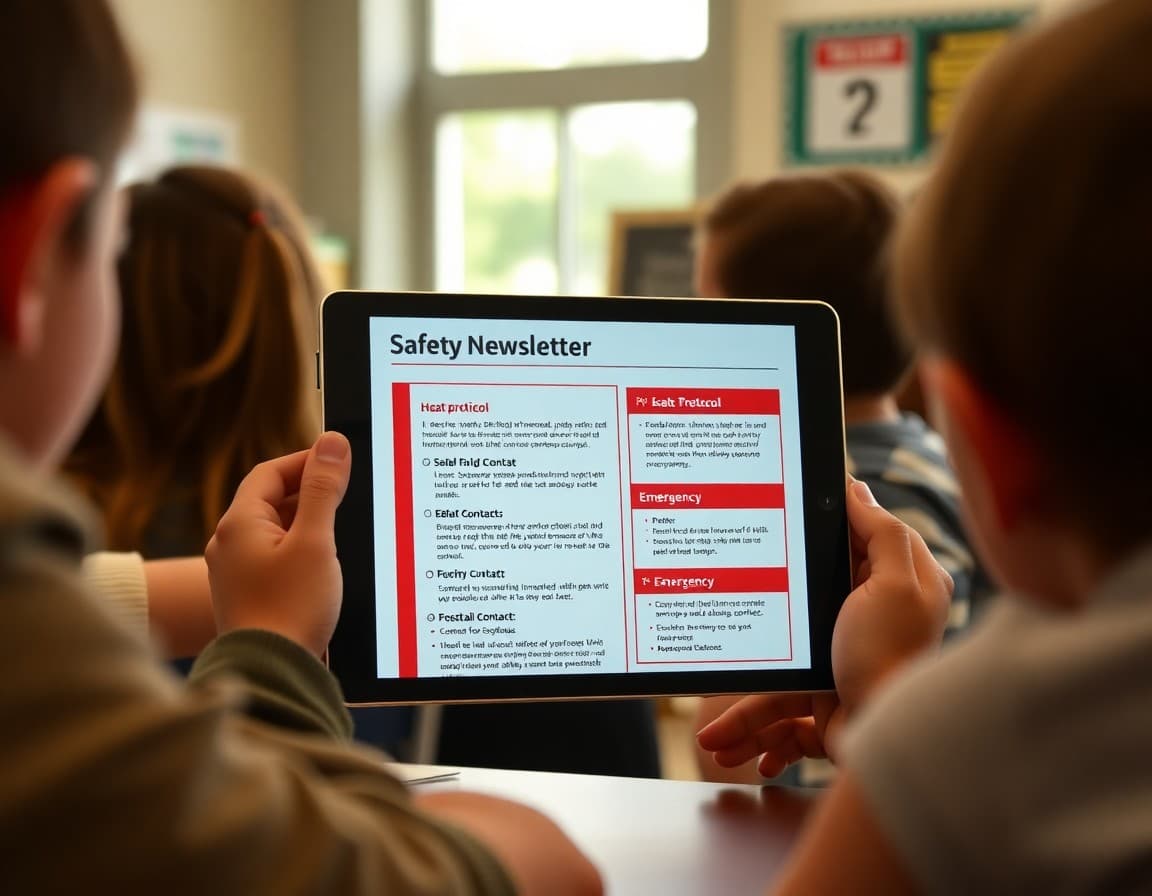
Arizona schools face a safety calendar that starts with heat. Before a single lockdown drill is scheduled or a visitor policy is updated, the first safety communication of the school year needs to address what happens when it is 115 degrees outside and students are arriving in buses that have been sitting in a parking lot. Heat is the most predictable safety challenge Arizona schools manage, and most school newsletters ignore it.
Here is a framework for Arizona school safety communication that fits the actual conditions of the state.
Back-to-School Heat Safety Communication
Send a heat protocol notice in your first safety newsletter of the year, ideally before school starts. Cover the school's outdoor activity threshold, the water access policy during the day, how portable classrooms are handled during heat advisories, and the signs of heat exhaustion that families should watch for after school. Include who to call if a family suspects their child was affected by heat during the school day.
This is practical safety information. Families who receive it arrive at the first day of school with less anxiety about the conditions their child will be managing.
Dust Storm and Haboob Protocols
Arizona families in the Phoenix metro, Tucson basin, and surrounding areas know what a haboob looks like. They want to know what the school does when one develops during school hours. Will outdoor dismissal be delayed? How will families in the pickup line be notified? Will students in portable classrooms be moved to the main building?
Cover these procedures in writing once per year and link back to them when a significant storm is forecast. Families who have read the procedure once are much less likely to flood the office phones when dust rolls in.
Lockdown and Intruder Drill Notifications
Send a brief notice before every lockdown or ALICE drill. Include the date, what students will practice, and that teachers prepare students in advance. Note that the school counselor is available for students who find the drill stressful, and invite families to contact the office if their child has anxiety about safety drills.
Arizona schools that communicate about drills in advance consistently report fewer parent complaints and less student anxiety compared to schools that conduct drills without notice.
Visitor Policy and Campus Access Updates
Arizona schools have strengthened campus access policies significantly over the past decade. When your visitor protocol changes, explain what changed and why. Whether it is a new check-in system, updated background check requirements, or restricted access to certain areas, context helps families support the protocol rather than work around it.
A sample line: "Beginning this semester, all visitors must check in at the main office and will receive a printed badge before entering any part of the campus beyond the front office. This is part of our annual safety review and aligns with district policy."
Reunification Procedures Every Family Should Know
Cover your reunification protocol in at least one newsletter per year. Name the reunification site, explain the check-in process, and tell families what identification to bring. If your school uses a specific app or platform for reunification communication, name it and explain how to sign up before an emergency requires it.
Mental Health and Threat Response Communication
When the school responds to a student mental health crisis or a reported threat, families often hear fragments from their children before official communication arrives. Send a brief, factual communication that confirms the school responded, that the situation is resolved or being managed, and that counselors are available. Avoid identifying details. Offer language families can use to talk with their child about what happened.
Using a Consistent Template Year-Round
Arizona families who receive safety newsletters in a consistent format over time learn what to look for and trust the communication more quickly during an actual emergency. Daystage allows safety coordinators to build a reusable newsletter template that looks the same every time, so the format becomes a signal of reliability rather than something families have to decode each time.
The Real Goal of Safety Communication
The goal is not to prevent all emergencies. It is to ensure that when something happens, your families know what to do and trust that the school is managing the situation. Arizona schools that communicate proactively throughout the year achieve that trust before they need it.
Get one newsletter idea every week.
Free. For teachers. No spam.
Frequently asked questions
What safety topics are most important for Arizona school newsletters?
Arizona schools deal with extreme heat, especially at the start and end of the school year, dust storms, and the standard range of emergency protocols including lockdown and reunification. Heat-related illness prevention and heat emergency protocols should appear in every back-to-school safety newsletter and any newsletter sent when temperatures are forecast above 110 degrees.
How should Arizona schools communicate heat safety to families?
Cover what the school does when temperatures hit dangerous levels: whether outdoor activities are canceled or modified, how students in portable classrooms are protected, what the school's water access policy is, and what signs of heat illness staff are trained to recognize. Families want to know the school has a threshold and a plan, not just an assurance that safety is a priority.
What does Arizona law require for school safety communication?
Arizona schools are required to have safety plans under the Arizona School Safety Program. Safety newsletters should communicate what families need to know about those plans without sharing sensitive operational details. At minimum, families should receive annual information about drill schedules, emergency contact procedures, and any changes to visitor or access policies.
How do Arizona schools address dust storm safety in their newsletters?
Haboob and dust storm protocols should be covered in safety newsletters sent at the start of the school year and again in late spring. Explain that students are kept inside during severe dust events, how parents will be notified of delays or early dismissal due to dust, and what families should do if a storm hits during pickup time.
How does Daystage help Arizona schools manage safety communication?
Arizona principals use Daystage to send structured safety newsletters that arrive consistently formatted and easy to read on any device. During heat emergencies or unexpected events, having a reliable communication platform means administrators spend less time on logistics and more time managing the actual situation.

Adi Ackerman
Author
Adi Ackerman is a former classroom teacher and curriculum writer with 8 years in K-8 schools. She writes about school communication, parent engagement, and what actually works in real classrooms.
More for School Safety
School Safety Newsletter Guide: What Principals and Safety Coordinators Should Be Communicating All Year
School Safety · 7 min read
School Weather Emergency Communication: What Families Need to Know Before a Storm Closes School
School Safety · 5 min read
Lockdown Drill Communication Newsletter: What to Tell Families Before, During, and After
School Safety · 6 min read
Ready to send your first newsletter?
3 newsletters free. No credit card. First one ready in under 5 minutes.
Get started free