
November School Nurse Newsletter: Cold Season and Holiday Health
November brings the first real cold-season spike, a major holiday that gathers extended families, and the post-Thanksgiving return that often puts several students in your office the Monday after break. A proactive November nurse newsletter gets ahead of the questions and reduces the week-after chaos.
Distinguish between cold, flu, and allergy symptoms
November marks the overlap between fall allergy season and the start of respiratory illness. Parents frequently cannot tell which they are dealing with. A brief guide in your newsletter helps them make the right call. Allergies: consistent sneezing, runny nose, itchy eyes, no fever. Cold: gradual onset, runny nose, mild sore throat, low or no fever. Flu: sudden onset, high fever, body aches, significant fatigue. One line: "When in doubt, take your child's temperature. A fever almost always means illness, not allergies."
Refresh hand hygiene reminders ahead of the holiday travel period
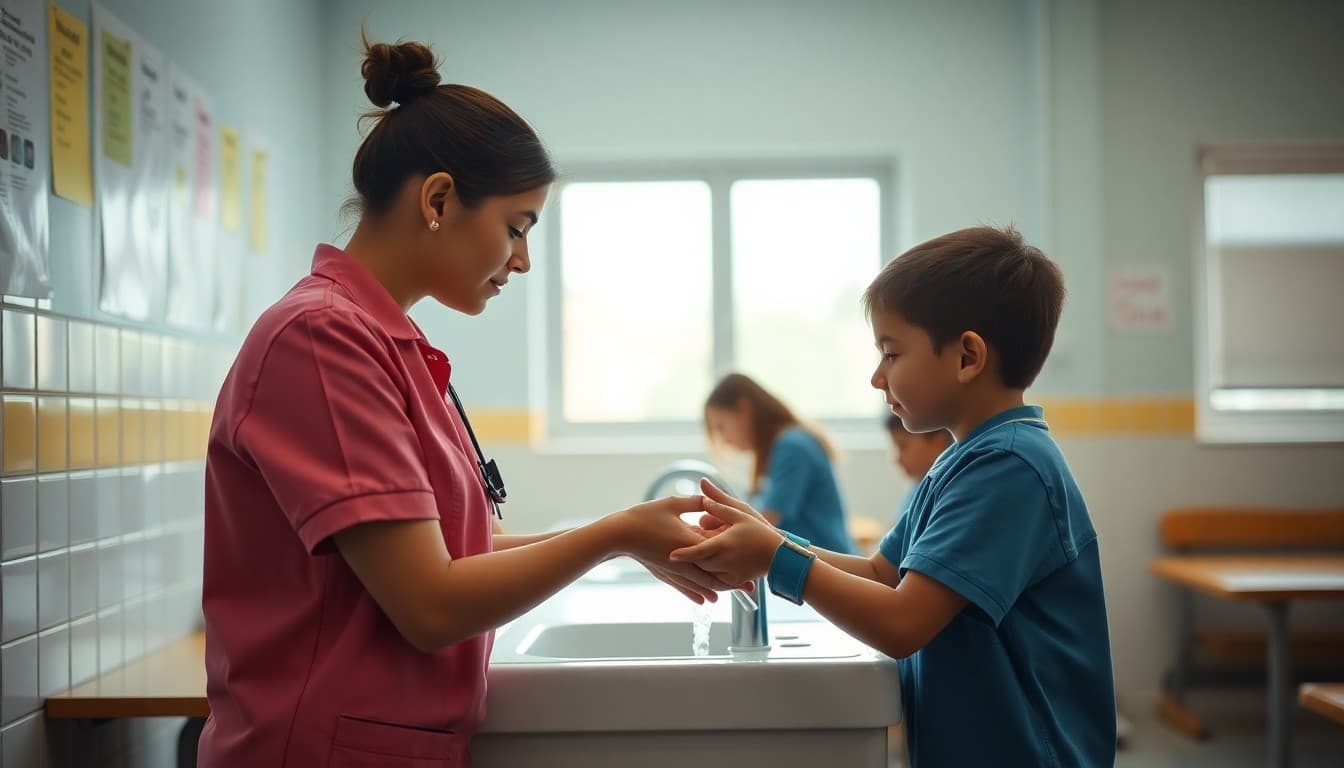
Thanksgiving travel puts students in airports, rest stops, and extended family homes where they encounter a wider range of germs than usual. A reminder about hand hygiene before the break is practical and well-timed. Keep it simple: wash hands before eating, after using any public restroom, and after contact with anyone who is sick. Hand sanitizer is a useful backup when soap is not available, but not a substitute.
Give families post-Thanksgiving return guidance
The Monday after Thanksgiving is one of the highest illness-related absence days of the school year. Get ahead of it. Your newsletter, sent the week before break, should include a clear reminder of your school's illness exclusion policy and what to do if a child is unwell on return day. "If your child wakes up Monday with a fever or is vomiting, please keep them home and email me. I would rather you call than send a sick child to school." That single sentence prevents the Tuesday-morning office rush.
Address holiday food allergens for allergic students
Thanksgiving is a genuine risk period for students with food allergies. Dishes prepared by extended family often contain undisclosed allergens. A brief note reminding families to carry prescribed epinephrine, share allergy action plans with holiday hosts, and ask about ingredients before eating is the kind of specific guidance that can prevent an emergency. Mention that your office is available to review action plans before the break if families have questions.
Remind families to update emergency contact and health records
Before a major holiday break is the right time to ask families to check that your records are current. Phone numbers change. Physicians change. Medication authorizations expire. A short paragraph asking families to email you if anything has changed costs you nothing and saves a scramble during a health event when you cannot reach the listed contact.
Note your office schedule around Thanksgiving break
Tell families when your office will be open, closed, and who to contact for emergencies during the break. If your school has a health protocol for students with chronic conditions that might need support during holidays, mention where that documentation lives so families can reach the right resources.
Include one immunization reminder
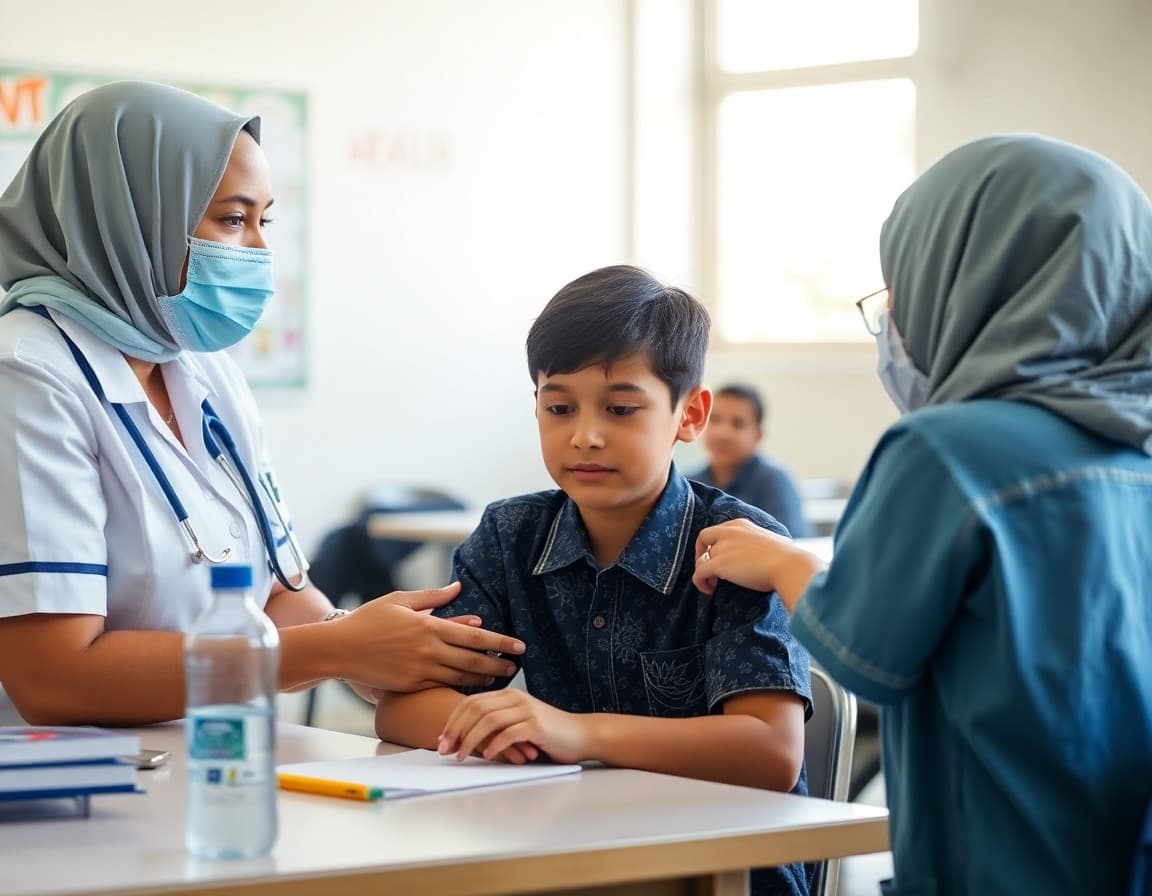
November is a good time to remind families about flu shots if you have not already done so, or to flag any immunization deadlines coming up for winter enrollment. One sentence is enough: "Flu shots are still widely available and effective if your family has not gotten them yet."
Your November nurse newsletter reaches every family in minutes when you use a tool like Daystage. Build your template once, drop in your November content, and send. Open-rate tracking shows you who saw it before the break.
Get one newsletter idea every week.
Free. For teachers. No spam.
Frequently asked questions
What health topics should a school nurse cover in a November newsletter?
Cold and flu prevention with specific guidance on symptoms versus allergies, hand hygiene reminders ahead of the spike in respiratory illness, holiday gathering considerations for immunocompromised students, back-to-school illness policy after Thanksgiving break, and a reminder to update emergency contact information before the holiday.
How do I explain when to keep a child home sick without alarming parents?
Use plain language and specific criteria. 'Keep your child home if they have a fever of 100.4 or higher, are vomiting, have diarrhea, or are too unwell to participate in class. They can return 24 hours after their fever breaks without medication.' That covers 90 percent of cases and eliminates ambiguity.
Should I mention holiday food allergens in a November nurse newsletter?
Yes. Thanksgiving gatherings increase exposure to allergens for students who manage food allergies. A brief reminder to families about carrying prescribed epinephrine, having an allergy action plan with holiday hosts, and checking labels on dishes prepared by others is genuinely practical for the season.
How do I encourage families to update health records in November?
Frame it as a short, easy task. 'Before Thanksgiving break, please take two minutes to confirm that your child's emergency contacts, physician information, and medication authorizations are current. Email me at [address] if anything has changed.' That converts better than a formal records-update request.
What platform works well for school nurse newsletters?
Daystage is a school-focused newsletter tool that lets you build and reuse your nurse newsletter format each month. The open-rate tracking helps you confirm which families received your health reminders and which might need a phone call or note home instead.

Adi Ackerman
Author
Adi Ackerman is a former classroom teacher and curriculum writer with 8 years in K-8 schools. She writes about school communication, parent engagement, and what actually works in real classrooms.
More for School Nurses
AED and Emergency Equipment Newsletter: Communicating School Emergency Readiness to Families
School Nurses · 5 min read
Allergy Awareness Newsletter: How to Communicate Food and Environmental Allergies to School Families
School Nurses · 6 min read
School Nurse Back-to-School Health Newsletter: Everything to Cover in August
School Nurses · 7 min read
Ready to send your first newsletter?
3 newsletters free. No credit card. First one ready in under 5 minutes.
Get started free